Boss Fight Design Secrets: 5-Act Structure for Great Battles
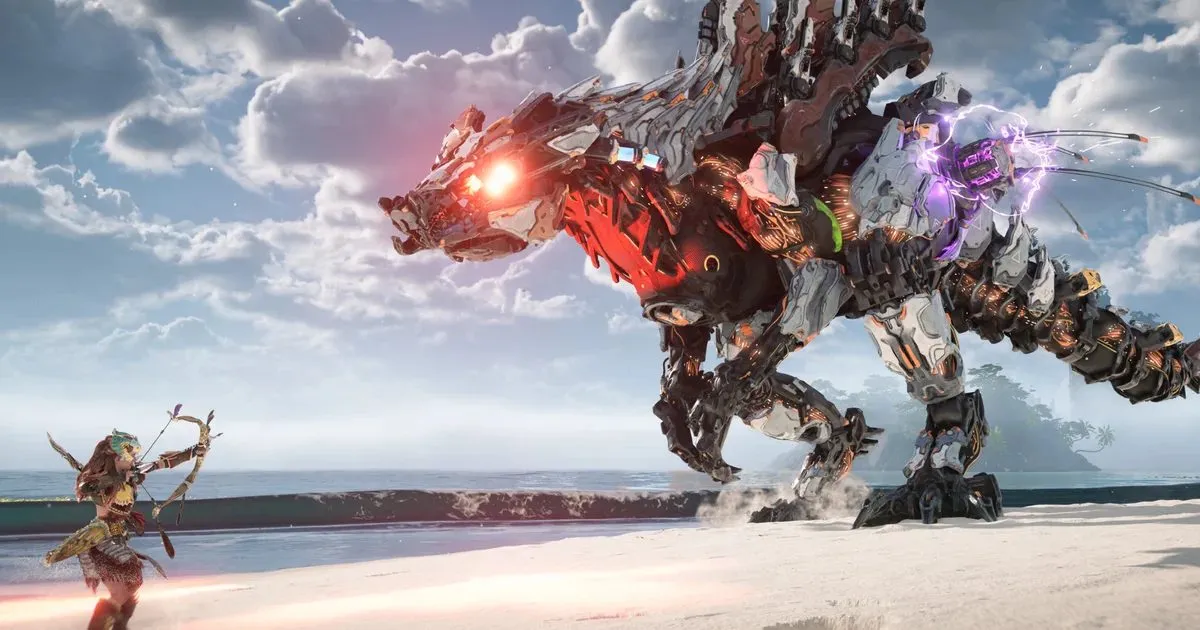
Great boss fights are not just harder enemies with bigger health bars. They are carefully staged encounters built around introduction, escalation, surprise, clarity, climax, and payoff. Looking at modern action games through a five-act lens reveals why some battles become instant classics while others feel like chores at the end of a level.
Boss fights have always held a special place in gaming. They are the moments players talk about after the credits roll, the encounters that become skill checks, rage generators, and unforgettable triumphs all at once. But what actually makes a boss fight feel great instead of merely difficult? The answer often comes down to structure.
A strong boss encounter works a lot like a miniature story. It has pacing, rising stakes, twists, and a conclusion that leaves an impression. When developers nail that arc, the battle feels dramatic rather than repetitive. Even in fast-paced action games, the best bosses are not random chaos. They are designed performances.
Act One: The Introduction
Every memorable boss fight begins by setting the stage. This first act is where the game teaches the player what kind of encounter they are stepping into. The arena matters. The boss silhouette matters. The opening attacks matter. Even a brief line of dialogue or a dramatic entrance can do a lot of work here.
This phase is important because it establishes the rules of engagement. A smart introduction gives the player just enough familiarity to feel grounded. Maybe the boss uses attack patterns similar to standard enemies from the level, only bigger, meaner, or faster. That familiarity helps the player start learning without feeling completely lost.
The key here is controlled uncertainty. Players should feel threatened, but they should also believe they can figure it out.
Act Two: Escalation
Once the basics are understood, the boss fight needs to evolve. This is where many average battles fall short. If a boss only repeats the same pattern for ten minutes, the fight becomes a test of patience instead of a test of mastery.
Escalation can take many forms. The boss might gain new attacks, alter the arena, increase mobility, summon hazards, or force the player into a different range of combat. A huge brute might suddenly start punishing close-range greed. A flying enemy might collapse the safe zones in the arena. A duel-style boss might become more aggressive and cut down the player’s healing windows.
This phase keeps the battle alive. More importantly, it prevents the player from solving the encounter too early. A boss should feel like it is pushing back, adapting, and revealing more of itself as the fight continues.
The Midpoint Twist
Sometimes escalation comes with a proper twist. This is often the moment players remember most vividly. It is the transformation, the arena shift, the reveal that the fight is not what it first seemed.
A midpoint twist can completely change the emotional tone of the battle. It might be the boss shedding armor and becoming more dangerous, diving underground, changing elemental powers, or pulling the player into a second phase with entirely new rules. The best twists do not feel random. They feel like a payoff to the boss’s identity.
This is where spectacle and design can meet perfectly. Surprise matters, but it should also deepen the fight rather than derail it. A twist should make the player sit up in their chair and think, now this is getting serious.
Tells and the Fairness Factor
For all the talk of intensity and spectacle, great boss design depends on one simple thing: readability. Players can accept losing over and over if they understand why they lost. They become far less forgiving when a boss feels messy, unclear, or cheap.
That is why tells are so important. Animations, sound cues, arena effects, posture shifts, weapon glows, and movement patterns all help communicate what is coming next. Good tells turn a brutal boss into a learnable one. They transform defeat into progress.
This is also where game design becomes teaching. Every boss is, in some way, a lesson. It asks the player to prove they understand timing, spacing, dodging, parrying, resource use, or target prioritization. The boss is not just there to block progress. It is there to test what the game has been building toward.
When that lesson is tied closely to the theme of the boss, the encounter feels even stronger. A beast-like enemy should move and pressure space like a predator. A knight should challenge discipline and precision. A chaotic monster should force adaptability without becoming unreadable nonsense.
Act Four: The Climax
The climax is the point where everything comes together. This is the most intense part of the fight, when the player is juggling everything they have learned under maximum pressure. The boss is using its deadliest toolkit. The player is reacting on instinct and experience. The pacing is fast, the stakes are high, and every mistake feels costly.
This is where great battles create that incredible tunnel-vision feeling. You stop noticing the room around you. It is just you, the boss, the rhythm of attack and response, and the possibility of victory hanging by a thread.
A weak climax can ruin an otherwise solid fight. If the final phase drags or becomes too chaotic to read, the player walks away frustrated. But if it sharpens the core ideas of the encounter, it becomes the kind of finish people love to recount to friends.
Act Five: The Resolution
A boss fight should not just stop. It should end.
Resolution is often overlooked, but it matters more than people think. The aftermath gives the battle meaning. Maybe the boss has story significance. Maybe the world changes after their defeat. Maybe there is a quiet animation, a final exchange of dialogue, or a strong visual beat that lets the player absorb what just happened.
Even when the boss is simply a giant monster at the end of a level, there should be some sense of closure. Without that, the fight can feel strangely disposable no matter how good the mechanics were.
A great resolution is the exhale after the chaos. It tells the player that the struggle mattered.
Why Bosses Still Matter
Boss fights can sometimes feel old-fashioned in an era where many games chase seamless realism and cinematic flow. There are definitely bad bosses out there, especially when they feel disconnected from the rest of the game or exist only to pad difficulty. But at their best, bosses remain one of gaming’s most expressive tools.
They are where mechanics, art, music, pacing, and storytelling can all collide in one concentrated moment. They create mastery, tension, and release in a way few other game structures can match. A great boss is not just a wall. It is a performance, a lesson, and a payoff.
That is why the five-act approach works so well. Introduction hooks the player. Escalation builds pressure. The twist adds surprise. The climax demands mastery. The resolution makes it memorable.
And when all five acts land, you do not just beat a boss. You remember the battle.