Ryse’s Lost Sequel Plans: The Beautiful Game That Could Have Been
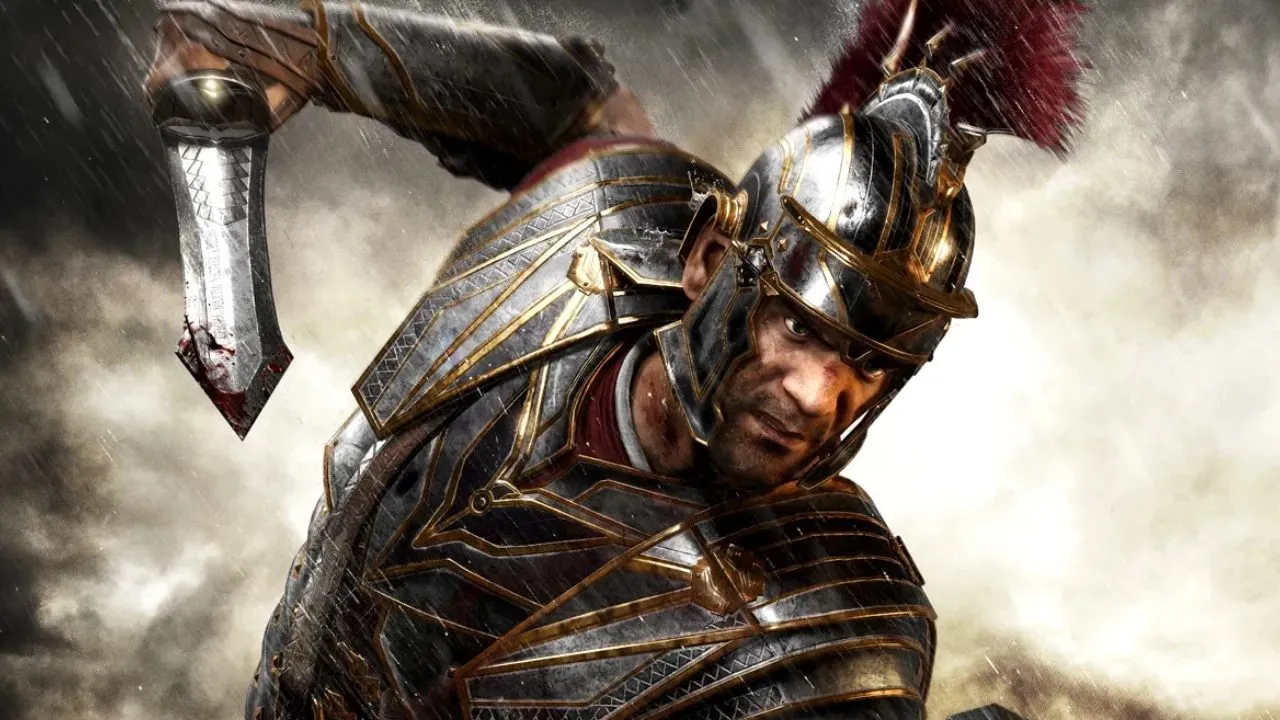
Ryse: Son of Rome may be one of gaming’s most fascinating what-ifs: a visually stunning launch title that impressed players with cinematic spectacle, only to leave them wondering what could have happened if its ideas had been given room to grow. Lost sequel plans reveal that Crytek once imagined Ryse not as a one-off Roman revenge story, but as the start of a sweeping historical action franchise that could have explored Vikings, feudal Japan, and other fallen empires with bigger levels, richer mechanics, and the same unforgettable sense of grandeur.
A Launch Title That Still Looks Incredible
Some games age gracefully. Others seem frozen in time, forever tied to the year they launched. Then there are the rare few that still make you stop and say, wow. Ryse: Son of Rome belongs in that last category.
When it debuted alongside the Xbox One, Ryse instantly became known for its jaw-dropping visuals. Armor shimmered, fire lit up battlefields with dramatic intensity, and every environment looked like it had been crafted to make the console show off. Even today, it remains one of those games people bring up when discussing titles that were ahead of their time visually.
But for all its technical brilliance, Ryse also felt incomplete. The campaign was short, the combat could be repetitive, and many players walked away with the sense that there was something bigger hidden underneath the polished surface. As it turns out, that feeling was not accidental. Behind the scenes, much more had been planned, and the developers were already thinking far beyond ancient Rome.
The Start of a Bigger Historical Franchise
Rather than treating Ryse as a standalone game, the team reportedly saw it as the foundation for an entire franchise. The core idea was not just Rome, but history on a grand scale. The question became whether players were attached specifically to Roman themes, or to the larger fantasy of stepping into the rise and fall of powerful civilizations.
That opened the door to some very exciting possibilities.
A Viking-themed sequel was one of the standout ideas. At the time, this would have felt especially fresh. Long before Viking settings became a trend, the concept could have taken players across England, France, and even farther afield, using the same cinematic approach that made Ryse memorable in the first place. It is easy to imagine Crytek applying its visual flair to longships crashing into stormy shores or brutal battles framed by icy landscapes.
Feudal Japan was another major possibility. That setting alone would have given the series a dramatically different flavor while still fitting the broader idea of empire, war, and historical drama. Other concepts reportedly touched on major global powers and pivotal moments in history, suggesting that Ryse could have evolved into a series that connected different eras under one thematic banner.
Not Open World, But More Open
One of the biggest criticisms of the original game was its structure. Many levels felt like straight corridors, constantly pushing the player forward without much room to experiment. For a game trying to feel epic, that design sometimes made the experience seem strangely narrow.
The sequel plans aimed to fix that.
Instead of going fully open-world, the vision sounded closer to the kind of wide, connected design that gives players more freedom without sacrificing narrative pacing. That could have been a perfect fit for Ryse. Imagine larger battlefields, branching routes through cities under siege, or quieter spaces between major clashes where the world has time to breathe.
That sort of design shift could have elevated the original game’s strongest qualities. Ryse was already excellent at spectacle. Giving that spectacle room to unfold more naturally might have transformed it from a pretty good action game into something truly special.
Combat Ideas That Never Got the Chance
Combat in Ryse had style, but there was clearly room to grow. The finishers were brutal and visually satisfying, but the overall flow sometimes felt too rigid. Sequel discussions reportedly included ways to make encounters more dynamic and tactical.
One especially interesting idea involved formations. In the original game, certain moments placed you inside a Roman shield wall, but interaction was limited. A more advanced system could have allowed players to break formation, fight independently, and then rejoin their unit at will. That alone sounds like a huge improvement, adding a sense of battlefield decision-making to the cinematic action.
The developers were also thinking about tactics inspired by real military history. Different cultures and eras would naturally bring new combat styles, new formations, and entirely different battlefield rhythms. That means a Viking game would not just look different from a Roman one. It would feel different too. A Japan-set installment could have introduced completely new strategic ideas, creating variety while still preserving the franchise identity.
There were even plans for additional mechanics and multiplayer features that never fully materialized in the first game. That suggests Ryse’s evolution could have been much broader than a simple visual upgrade.
The Real Magic Was the Atmosphere
What made Ryse stand out was not strict historical realism. It was emotional scale.
The world of Son of Rome did not necessarily aim to recreate history exactly as it happened. Instead, it chased the feeling of history as myth. Cities were overwhelming. Landscapes were majestic. Battles felt larger than life. The game presented the ancient world the way it might have felt to someone seeing the heart of an empire for the first time.
That approach likely would have carried into future entries. A Viking harbor, a Japanese battlefield, or the walls of Constantinople through the Ryse lens could have been incredible. Not documentary-style accuracy, but heightened, awe-inspiring history shaped into a playable epic.
The subtle supernatural side of the original also might have continued, weaving myth and religion into the background of each story. That was another smart idea. It could have given the series a unique identity, blending grounded warfare with an undercurrent of legend.
Why It All Fell Apart
The saddest part of the story is that these sequels were not dramatically canceled in some big public moment. They simply faded away.
The original game underperformed, and business disagreements sealed the franchise’s fate. Without alignment between the companies involved, Ryse never got the second chance many players now feel it deserved. That is especially frustrating because so much of what held back the first game seems fixable in hindsight. Better pacing, more open level design, deeper combat, and a little more development time could have changed the entire conversation.
Instead, Ryse became a cult favorite: admired for what it achieved, and remembered for what it almost became.
The Franchise That Still Lives in Players’ Minds
There are plenty of technically impressive games. There are fewer that leave behind a sense of unfinished destiny. Ryse is one of them.
It is easy to understand why people still talk about it. The original may have been flawed, but it had ambition, identity, and style in abundance. More importantly, the sequel ideas sound like they were headed in exactly the right direction. A historical action franchise spanning empires, mythologies, and evolving combat systems is the kind of pitch that still sounds exciting today.
In another timeline, Ryse might have grown into one of gaming’s great cinematic action series. In this one, it remains a reminder that sometimes the most beautiful games are also the ones that leave the biggest unanswered questions.