Supergirl Test Screening Cut Reveals Deleted Krypton Scenes and Krem Backstory
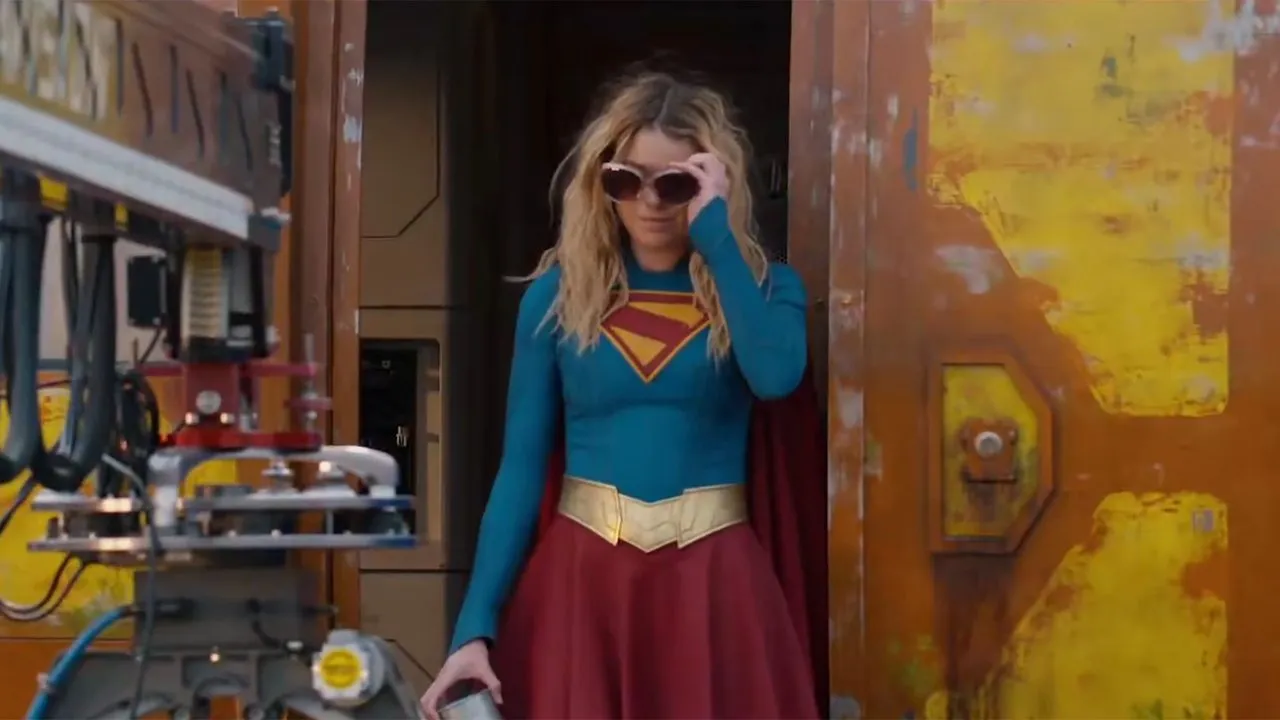
A newly discussed test screening cut of Supergirl has sparked fresh conversation among fans, revealing that earlier versions of the movie reportedly included more time on Krypton, a different opening, and added material for villain Krem. While the final theatrical release appears to stay close to that earlier version, these trimmed scenes offer an interesting look at how DC shaped the film into a leaner, faster-moving adventure.
Now that Supergirl is out in theaters, fans are doing what fans do best: digging into every alternate scene, cut subplot, and behind-the-scenes detail they can find. And honestly, this kind of post-release chatter is half the fun when it comes to big comic book movies. According to comments from someone who saw an earlier test screening, Supergirl once had a slightly expanded version that gave audiences more context for both Krypton and the movie’s central antagonist, Krem.
The biggest detail grabbing attention is the mention of deleted Krypton scenes. Apparently, an earlier cut of the movie opened with the destruction of Krypton instead of jumping into the version audiences now see in theaters. That’s a pretty major tonal difference. Starting with Krypton’s fall would likely have given the movie a more mythic, tragic opening right away, grounding Supergirl’s story in the loss and trauma that define so many characters in the Superman corner of DC.
For longtime DC fans, that kind of opening has a lot of appeal. Krypton isn’t just backstory wallpaper. It’s one of the emotional foundations of these characters. Spending more time there could have helped reinforce why Supergirl’s experience feels different from Superman’s. Depending on how the final film handles her arc, opening on Krypton may have made her journey hit even harder by placing that loss front and center from the start.
Then there’s Krem, who seems to be one of the biggest losers in the final round of edits. In the theatrical cut, he comes across as brutal and threatening, but not necessarily deeply explained. The test screening version reportedly gave him extra backstory, including details about his abusive childhood and how that shaped his worldview. That kind of material can be risky. Sometimes it adds depth to a villain, and sometimes it slows a movie down or muddies the pacing. Still, it sounds like the earlier cut aimed to make Krem more than just a monster in the path of the heroes.
That said, not every deleted villain scene is a major loss. A tighter movie often benefits from leaving some motives implied rather than spelled out. If the filmmakers wanted Krem to feel immediate, cruel, and dangerous without diverting too much focus from Supergirl and Ruthye, trimming his backstory makes sense. In road trip-style stories especially, momentum matters. The more the film stops to explain every detail, the easier it is to lose that sense of urgency.
And that seems to be exactly the philosophy behind the final edit. The director reportedly wanted the movie to stay lean, keeping the spotlight on the mission and the relationship between its two leads. That decision feels very in line with modern blockbuster editing, where character dynamics and forward motion often win out over lore-heavy detours. If the movie is built around a ticking-clock structure, then even ten extra minutes can change the energy more than fans might expect.
Interestingly, the differences between the two cuts don’t sound massive overall. Reports suggest the earlier version was only around 10 to 15 minutes longer than the release version. In movie terms, that’s enough to noticeably shift tone and texture, but not enough to make it feel like an entirely different film. So while the internet loves the phrase “alternate cut,” this sounds less like a lost masterpiece and more like a slightly fuller version of the same story.
One especially intriguing detail is that the newer version apparently included a couple more Superman-related scenes. For DC Universe fans, that’s the kind of breadcrumb that immediately sets off speculation mode. Shared universe storytelling lives and dies on setup, payoff, and character crossover teases. If Supergirl is quietly laying groundwork for future stories involving Superman, then even brief added scenes could end up mattering quite a bit in hindsight.
Of course, this also raises the classic fan question: should studios release extended cuts of superhero films more often? In gaming terms, this feels a lot like discovering cut questlines or datamined content that almost made it into the final build. Sometimes those missing pieces are fascinating because they show the design process, even if they wouldn’t have improved the final experience. Other times, they reveal content that fans genuinely wish had stayed in.
For Supergirl, the answer probably depends on what you wanted most from the movie. If you were invested in deeper world-building, more Krypton, and a more layered villain, the test cut sounds appealing. If you preferred a tighter, more focused adventure centered on the main emotional journey, the theatrical version may have made the right call.
Either way, the existence of these deleted scenes adds another layer of interest to the film’s release. Comic book movies are rarely static things. They evolve through reshoots, test screenings, studio notes, and creative refinements. Hearing about what changed gives fans a better sense of what the filmmakers valued most in the final product.
For now, Supergirl seems to have landed as the version DC most wanted audiences to see: streamlined, mission-driven, and focused on its core duo. But if these reports are accurate, there’s definitely a version out there with a little more Krypton, a little more Krem, and a slightly different flavor. And for fans, that’s more than enough fuel to keep the conversation going long after the credits roll.