Black Myth: Wukong Concerts Prove the Game Can Go Beyond Gaming
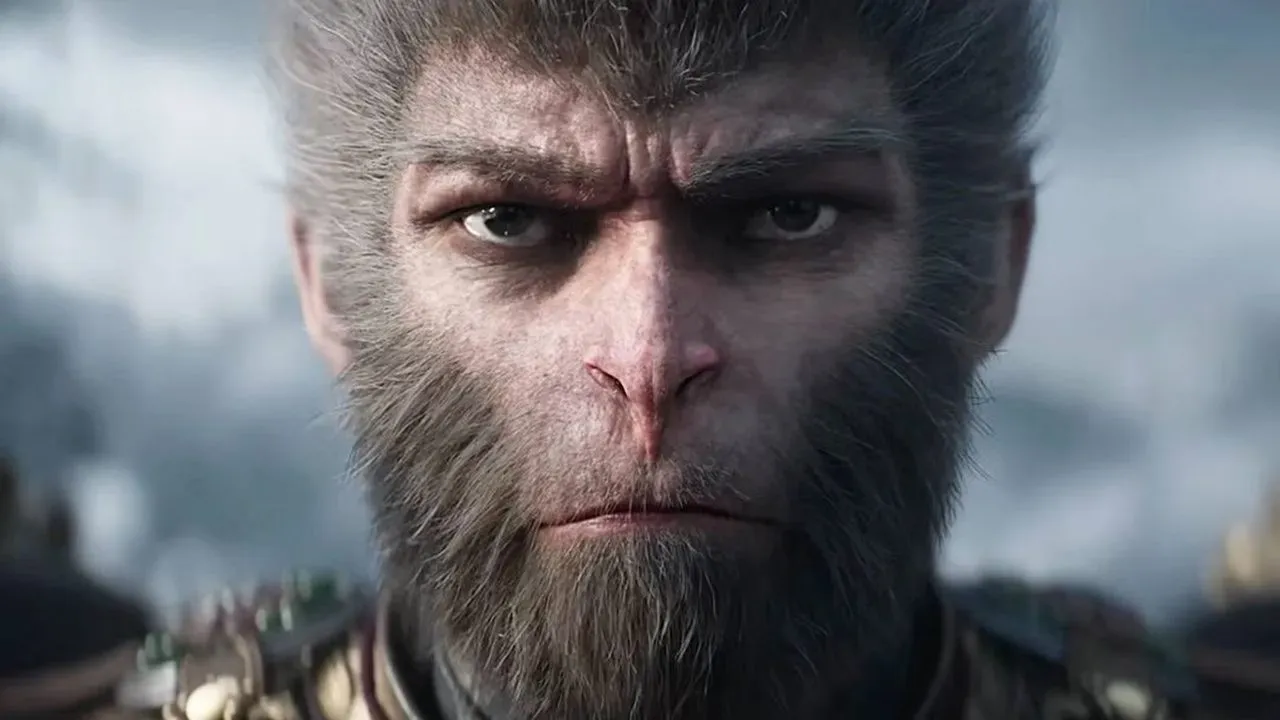
Black Myth: Wukong’s recent North American concert events did more than celebrate a hit soundtrack. They showed that the game has the kind of cultural pull that can escape the screen, bring players together in real life, and turn a great gaming experience into something much bigger. For fans, these performances weren’t just about hearing familiar songs live. They were about reliving unforgettable boss fights, emotional story beats, and the mythic atmosphere that helped make the game such a sensation in the first place.
When a game breaks into the mainstream, people usually point to the obvious milestones first. Sales numbers. Streaming popularity. Social media buzz. Maybe awards if things go especially well. Black Myth: Wukong has already checked plenty of those boxes, and then some. It arrived with huge anticipation, delivered an experience that players around the world clearly connected with, and quickly cemented itself as one of the most talked-about action games in recent memory.
But concerts are a different kind of milestone.
A live concert based on a video game soundtrack says something important about the game behind it. It means the music is strong enough to stand on its own. It means the audience cares enough to show up not for new gameplay footage or a trailer, but simply to hear the sound of that world again. And most importantly, it means the game has built an emotional connection powerful enough to survive outside the usual gaming spaces.
That is what makes these Black Myth: Wukong concerts feel so significant.
For anyone who has played the game, the importance of the soundtrack is easy to understand. Black Myth: Wukong is not the kind of experience where music just fills silence. Its score helps shape the identity of the world. It gives weight to tense encounters, raises the drama of major fights, and adds a sense of wonder to its take on mythology and legend. Great game music doesn’t just support the action. It becomes part of the memory of playing.
Think about the boss battles players still talk about weeks or months later. Part of what makes those moments stick is the sound. The pounding energy, the eerie buildup, the sweeping emotion right when a fight reaches its climax. Music can make a victory feel legendary and a loss feel haunting. In a game as cinematic and visually striking as Black Myth: Wukong, the soundtrack plays a huge role in tying everything together.
That is why hearing this music performed live matters.
Most players experience single-player games in solitude. Even when millions of people are playing, each person usually has their own private journey through the story, the world, and the challenges. You might know that countless others fought the same enemies and discovered the same locations, but that understanding is abstract. A concert changes that. Suddenly, those private memories become communal.
In a live setting, every familiar melody carries shared meaning. One piece might remind the crowd of a brutal early skill check. Another might bring back the mystery of exploring a new region. Another might tap into the quieter emotional beats that gave the game more depth than just spectacle. Instead of sitting alone with those memories, fans get to experience them together, at the same time, in the same room.
That sort of shared energy is hard to manufacture, and it is one of the clearest signs that a game has grown beyond being just a successful release.
The North American stops are especially notable because of where they happened. New York and Los Angeles are not just big cities. They are cultural stages. If a game-related event can draw excitement there, it signals that the property has real crossover appeal. These are cities with endless entertainment options competing for attention every night. For Black Myth: Wukong to carve out space in that environment says a lot about the strength of its identity and the passion of its audience.
It also says something bigger about where games are now as a medium.
For years, fans have argued that games deserve to be treated with the same cultural respect as film, television, and music. That conversation has evolved a lot. Today, games are not only influencing other media, they are increasingly becoming launchpads for broader entertainment experiences. Adaptations, merchandise, symphonic events, and fan gatherings are no longer unusual for the biggest franchises. What stands out here is how quickly Black Myth: Wukong appears to be stepping into that space.
That speed matters because it suggests this is not a one-hit curiosity. It feels more like the early sign of a franchise with long-term potential. A game does not inspire this kind of response unless it leaves a lasting impression. Fans are not showing up out of obligation. They are showing up because the world, the story, and especially the music meant something to them.
And honestly, that may be the strongest argument that Black Myth: Wukong can go beyond gaming. Not because it can sell tickets, but because it can create a lasting relationship with its audience in multiple forms. The game is still the foundation, of course, but the concerts prove that foundation is strong enough to support more.
Whether this leads to bigger tours, more live performances, or even other kinds of expansions for the franchise, the message feels clear. Black Myth: Wukong is no longer just a big game release people remember from a crowded year. It is becoming an entertainment property with enough style, emotion, and fan investment to thrive off the console and off the PC as well.
For gaming fans, that is exciting to watch. It is always satisfying to see a game world you love find new ways to live outside the original experience. And for Black Myth: Wukong, these concerts may end up being remembered as more than a cool bonus for fans. They may be the moment it truly proved it could stand alongside the biggest cross-media success stories in modern gaming.