Stephen Colbert Returns on Public Access After Late Show Ends in Drama
Stephen Colbert’s sudden jump from a major late-night stage to a small public access show feels weirdly familiar to anyone who follows games: a big-budget franchise gets shut down, then the creator pops up somewhere scrappier, stranger, and often more interesting. This story is not just about TV drama or celebrity headlines. It is also about platforms, audience power, corporate pressure, and the enduring appeal of low-budget spaces where personality matters more than polish.
If you have spent any time in gaming communities, the whole situation almost reads like a classic industry arc. A massive, highly produced show ends under messy circumstances. Fans argue over whether it was business, politics, ratings, or all three at once. Then, almost immediately, the talent reappears somewhere far less glamorous but way more authentic. That is basically the entertainment version of a developer leaving a publisher-backed blockbuster to make something odd and personal on a tiny budget.
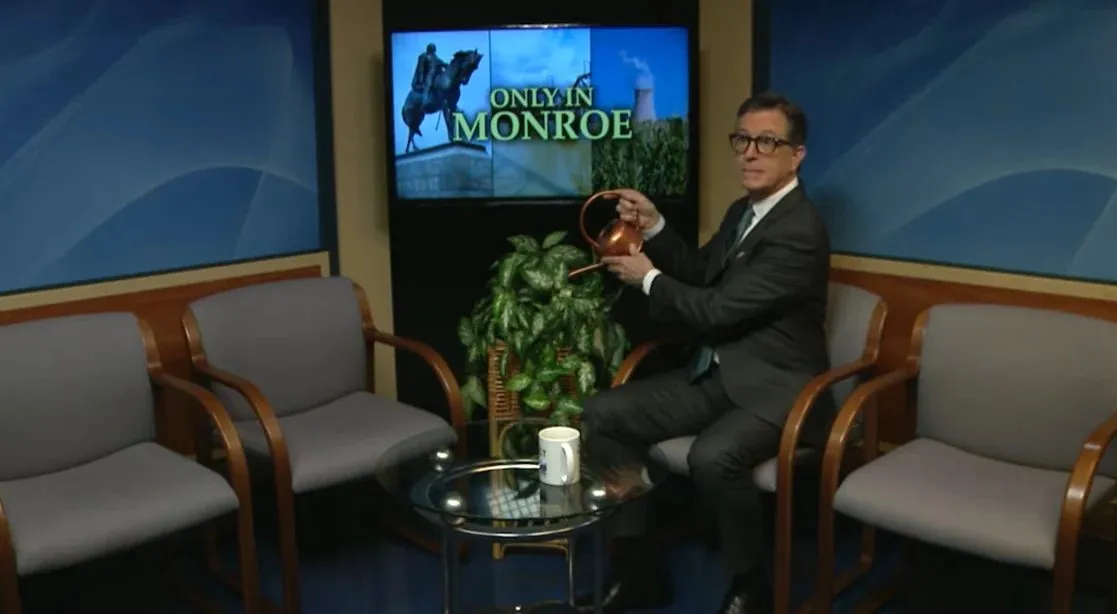
That is what makes Stephen Colbert’s surprise reappearance on Michigan public access so fascinating. On paper, it sounds like a joke. After wrapping up an 11-year run on a huge network late-night show, he lands on a local cable program discussing regional quirks, local legends, and wonderfully offbeat topics. But that shift is exactly why the moment resonated so strongly. It traded prestige for freedom, and in doing so, it tapped into something a lot of people across gaming and media understand instinctively.
Big media has spent years trying to make everything look smooth, premium, and optimized. Games know this problem well. Every trailer has to be cinematic. Every live service roadmap has to look corporate and controlled. Every major project gets polished until its rough edges vanish. Yet the things people remember most are often the messy, personality-driven creations that feel like they came from someone’s basement, garage, or weird corner of the internet. That same energy is all over public access television.
Colbert’s appearance worked because it felt loose. It felt human. It felt like the opposite of machine-made content. The appeal is not unlike why players still love cult-classic YouTube creators, early web series, or games that look handmade instead of focus-tested. There is a reason players still celebrate weird flash-era projects, low-budget horror indies, and creators who build entire communities out of duct tape and creativity. Not everything needs triple-A presentation to matter.
From a gaming lens, this moment also connects to a larger fear about platforms and gatekeepers. In games, developers worry about storefront visibility, publisher interference, moderation systems, and algorithmic discoverability. In television and digital media, it is networks, conglomerates, ownership disputes, and corporate leverage. Different industry, same boss fight. When a major company can decide who gets a spotlight and who gets buried, it reminds everyone how fragile visibility really is.
That is why the reports of copyright claims surrounding clips of the public access episode hit such a nerve. Whether intentional overreach or simply a bureaucratic mess, it created the exact kind of story modern audiences are primed to reject. People do not like seeing giant corporations try to control something that clearly feels community-driven. Gamers especially have little patience for that sort of heavy-handed move. We have seen too many fan projects shut down, too many creators buried under legal threats, and too many communities treated as disposable once they stop fitting neatly into a business plan.
There is also a broader lesson here about audience behavior. Late-night television has been struggling for years because people increasingly consume comedy the same way they consume game commentary, lore breakdowns, challenge runs, or live reactions: in clips, streams, highlights, and creator-driven formats. The old broadcast model is competing with fragmented digital habits. That does not mean people stopped caring about funny hosts or smart commentary. It means they want it on their own terms.
Gaming went through this shift long ago. Viewers no longer just wait for a review score from a magazine or one polished network segment. They watch streamers, longform critics, podcast hosts, modders, challenge runners, and community personalities. Authority has splintered. Taste is decentralized. The result is messier, but it is also more alive.
That is what made Colbert showing up on a tiny local program feel less like a downgrade and more like a statement, even if it started as a bit. It highlighted that media does not have to live inside giant institutions to have impact. Sometimes it is the opposite. Sometimes reducing the distance between performer and audience creates something more memorable than any glossy studio set.
For gaming fans, there is something oddly hopeful in that. We are living in an era where large publishers chase safer bets, beloved series are turned into engagement platforms, and creative risks can get squeezed out by investor logic. Yet some of the most exciting work still comes from people making weird things in smaller spaces. That might be an indie game made in RPG Maker, a mod scene that outlives the original release, or a low-fi stream setup that builds a stronger bond than any official marketing campaign ever could.
So yes, this is a story about Stephen Colbert, late-night TV, and public access absurdity. But it is also about a creative truth gamers know well: when the expensive, over-managed systems start collapsing under their own weight, the scrappy alternatives become more than backups. They become the future.
And honestly, that future looks pretty fun.