Steinmeier to Open Gamescom Congress, Highlighting Games’ Economic Impact
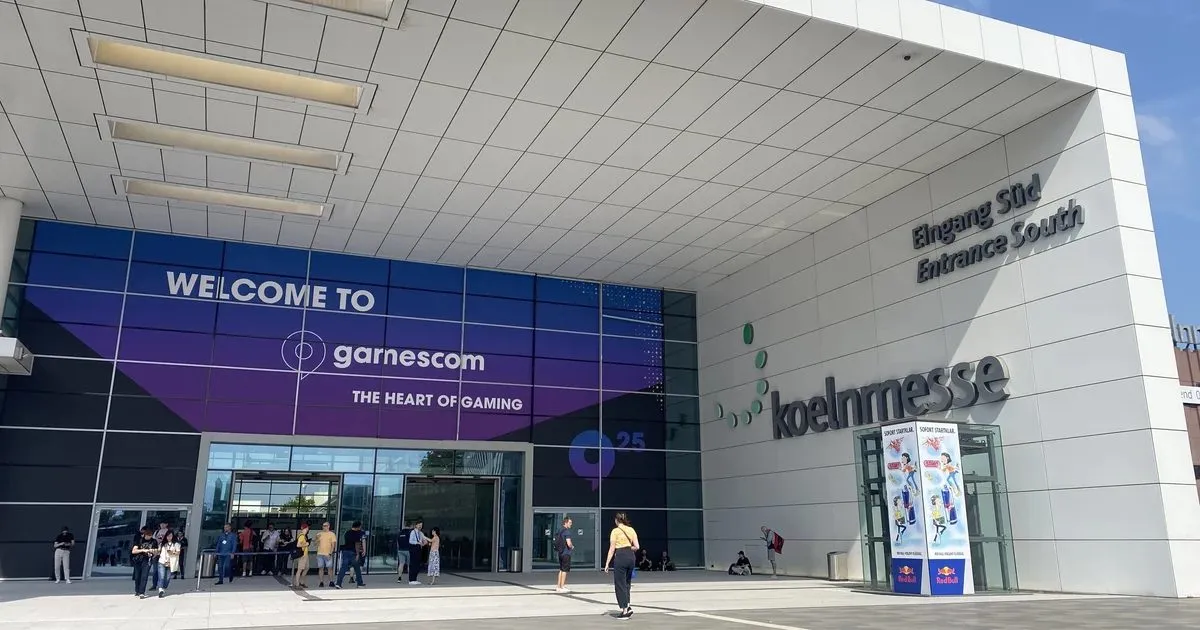
Gamescom is set to get an unusually high-profile moment this year, as German President Frank-Walter Steinmeier prepares to open the Gamescom Congress and shine a spotlight on the growing economic, cultural, and political value of video games. His appearance marks a major milestone for the event and sends a clear message that gaming is no longer being treated as a niche hobby, but as a serious force in modern society.
For longtime fans of Gamescom, this is one of those moments that feels bigger than a standard event announcement. Steinmeier becoming the first German head of state to attend the show is a huge signal that the industry’s influence has reached well beyond convention halls, livestreams, esports stages, and reveal trailers. It is recognition from the very top that games matter.
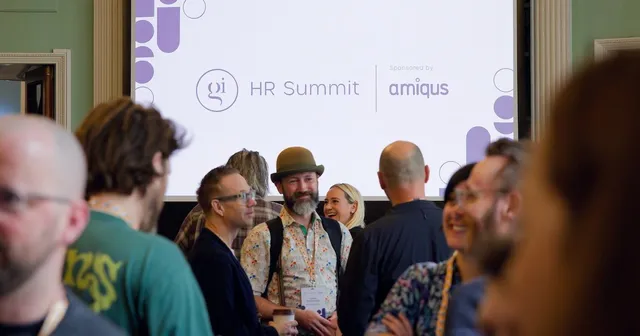
According to the announcement, Steinmeier will open the Gamescom Congress with a keynote speech before joining a panel discussion focused on the role of games in German democracy. That alone makes this year’s congress sound especially interesting, because it frames games as more than entertainment. The discussion is not just about what people play, but about how games shape learning, communication, creativity, and public life.
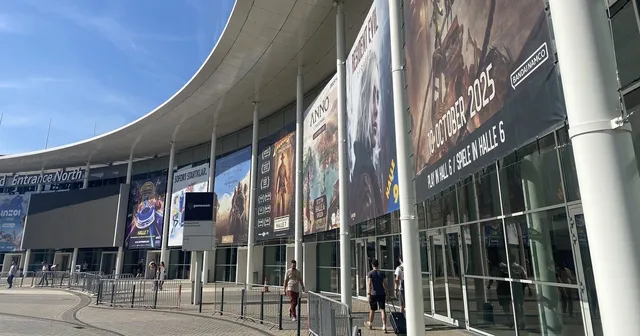
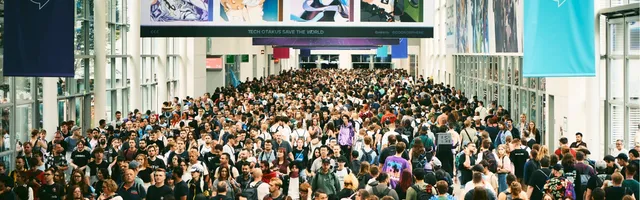
After the congress opening, Steinmeier is also expected to visit the main Gamescom show floor. That part may end up being just as important symbolically as the keynote itself. Meeting developers and community members face-to-face shows a willingness to understand gaming from the inside rather than simply talking about it from a distance. For an industry that has spent years pushing for broader recognition, that kind of direct engagement matters.
This year’s Gamescom Congress theme leans heavily into that larger conversation. The featured topics, Playing Field Democracy and The Games Effect, point to a vision of games as active contributors to society. On one side, there is a focus on how games can support democratic education and civic awareness. On the other, there is a broader argument that game technology and design thinking are influencing fields far beyond entertainment.
That second point is especially worth paying attention to. Gaming has often been seen through the narrow lens of consumer fun, but anyone following the industry closely knows its impact stretches much further. The tools, workflows, and problem-solving methods built for games increasingly show up in medicine, industrial training, education, simulation, public services, and more. Whether it is real-time 3D visualization, interactive learning systems, or virtual collaboration spaces, gaming technology has become a driver of innovation across multiple sectors.
For Germany, this kind of recognition could be especially meaningful. The country has long had a strong reputation in technology, engineering, and industrial development, and games fit naturally into that ecosystem. A presidential appearance at Gamescom helps reinforce the idea that game development is not separate from those strengths, but part of them. It suggests that policymakers and institutions are beginning to take the medium seriously not just as culture, but as an economic engine.
That is a big deal for developers. Public acknowledgment at this level can help strengthen arguments for funding, education programs, talent development, studio support, and broader investment in the sector. When political leaders publicly recognize the value of games, it can shift how the entire industry is viewed by businesses, schools, and the public. It also gives developers more visibility at a time when many studios around the world are facing uncertainty, layoffs, and growing pressure to prove long-term value.
For the Gamescom Congress itself, Steinmeier’s presence raises the profile of what is often overshadowed by game reveals and fan hype. While the main event is known for packed booths, flashy demos, cosplay, and major announcements, the congress serves a different but important role. It is where the deeper conversations happen, connecting games with policy, research, culture, and technology. This year, that side of Gamescom may get more attention than ever.
Of course, for fans, the main Gamescom event will still be the heart of the week. The wider show runs from August 26 to 30, while the Gamescom Congress takes place on August 27. Before all of that, the developer-focused event Gamescom Dev, formerly known as devcom, will run from August 23 to 25. That means the full week should deliver a strong mix of business discussion, industry networking, game showcases, and community excitement.
What makes this announcement stand out is how clearly it reflects the changing status of games in the modern world. A head of state attending Gamescom is not just a ceremonial move. It is a public statement that games now belong in conversations about innovation, education, economics, and democratic culture. That is a far cry from the old stereotypes that once framed the medium as trivial or disconnected from real-world issues.
For players, creators, and industry watchers, this is the kind of development that feels like a milestone rather than a headline that disappears in a day. It adds political and cultural weight to an event that was already one of the biggest gaming gatherings on the calendar. And if the congress succeeds in turning that attention into meaningful discussion, it could help push the conversation around games into an even more influential space.
In short, Steinmeier’s appearance at Gamescom is more than a prestigious guest booking. It is a sign that gaming’s role in society is being recognized at the highest level. For an industry that continues to grow in reach and relevance, that may be one of the most important wins of all.