Gamescom 2026 Exhibition Area Fully Booked for the First Time
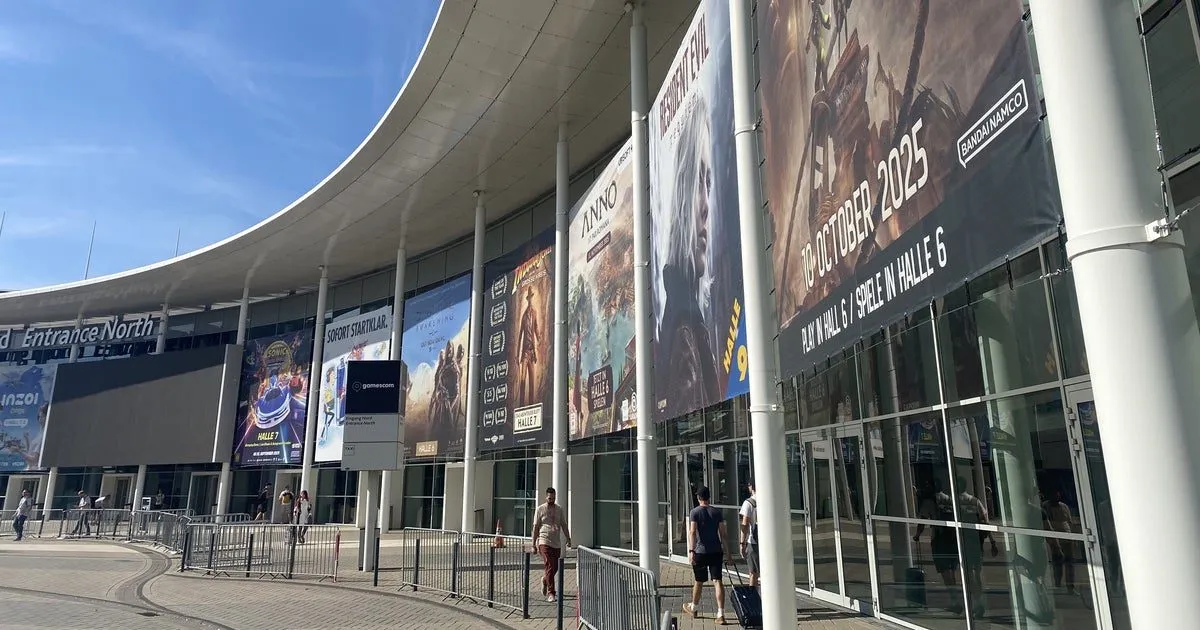
Gamescom 2026 has already reached a major milestone before the doors even open, with the exhibition area fully booked for the first time in the event's history. That headline alone says a lot about where the gaming industry is right now: publishers want visibility, indie teams want attention, fans want announcements, and livestream audiences around the world are more engaged than ever. With organizers now considering expansion for 2027, this year's event is shaping up to be one of the biggest and busiest celebrations of gaming we have seen in a long time.
For anyone who follows gaming events closely, this is a big deal. Gamescom has always been one of the most important dates on the calendar, but a completely sold out exhibition area pushes it into another category. It signals confidence from exhibitors, excitement from fans, and a level of momentum that many events would love to have.
According to organizers, exhibitor demand is higher than ever before. That kind of demand does not appear out of nowhere. It usually means companies of all sizes see Gamescom as the place to be, whether they are showing off blockbuster sequels, revealing new projects, building community buzz, or trying to stand out in an increasingly crowded market. When floor space disappears this early and this completely, it tells us the event has become even more valuable as a global stage.
It also creates an interesting challenge. If 2026 is already full, how does Gamescom grow from here? Organizers are reportedly already exploring ways to expand the exhibition offering in 2027. That sounds like a smart move, especially if the goal is not just to squeeze in more booths, but also to improve the visitor experience. Anyone who has attended a major convention knows that scale can be both exciting and exhausting. More space could mean better crowd flow, bigger demos, more comfortable viewing areas, and potentially a stronger split between business, consumer, and creator-facing activities.
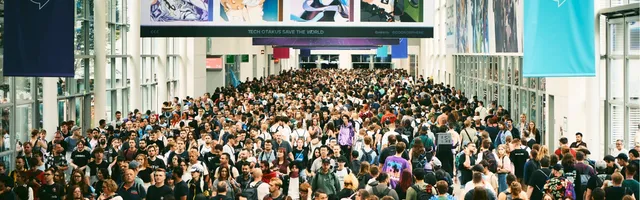
For fans, the fully booked floor is a promising sign. A packed exhibition usually means more trailers, more hands-on sessions, more stage presentations, and more surprise reveals. Even if not every major publisher brings a massive playable build, the sheer density of activity can make the event feel electric. There is something special about a show where every hall feels busy and every schedule slot has something worth checking out.
This year's lineup of surrounding programming also helps explain why anticipation is building so early. Gamescom Opening Night Live remains one of the biggest attention magnets, often serving as the global kickoff for the week. It is the kind of show that can generate instant headlines, social media reactions, and fan theories within minutes. Whether you are watching for world premieres, release date drops, or one more teaser for a game you are already tracking, it is a reliable source of hype.
Then there is the expanded Awesome Indies Show, which continues to grow in importance. That matters a lot. Big conventions need their blockbuster moments, but they also need space for creative smaller teams to break through. Indie showcases often deliver some of the most memorable reveals because they bring new mechanics, unusual art styles, and ideas that do not always fit neatly into mainstream publishing trends. A stronger spotlight on indie games gives the event more range and makes the overall showcase feel healthier.
Another interesting addition is Gamescom GDQ, which is making its debut this year. That crossover between event culture and speedrunning culture feels like a natural fit. Speedrunning has long been one of gaming's most entertaining live formats, blending skill, knowledge, performance, and community energy. Bringing that spirit into Gamescom adds something different to the mix, something active and audience-driven that complements traditional trailers and booth demos.
Beyond the flashy reveals and livestream moments, Gamescom also continues to position itself as a place for bigger industry conversations. The Gamescom Congress this year is focused on themes like democracy and the wider impact of games across fields such as medicine, industry, skilled trades, services, and public administration. That may sound more serious than the usual event chatter about release windows and gameplay loops, but it is an important part of the modern gaming landscape. Games are not just entertainment products anymore, they are also tools, cultural touchpoints, and platforms for education and innovation.
That wider framing helps explain why an event like Gamescom keeps growing. It is not only for players lining up to test the next action RPG or competitive shooter. It also serves developers, educators, business leaders, streamers, media, and policy voices. In other words, it reflects how broad gaming has become.
The event schedule itself is stacked. Gamescom runs from August 26 to August 30, with the Congress taking place on August 27. Before all that, the developer-focused Gamescom Dev runs from August 23 to August 25. That lead-in is especially important because it gives developers a dedicated space for networking, talks, and professional discussions before the consumer-facing spotlight reaches full intensity. It creates a full week where the industry can move from internal conversations to public celebration.
What makes this milestone especially interesting is the timing. The exhibition is fully booked, and the event is still building its momentum through announcements, partnerships, and speaker reveals. That means the hype cycle may only be getting started. If major exhibitors have committed in this volume before the event begins, fans can reasonably expect a dense news week packed with updates across genres and platforms.
For gaming audiences, the takeaway is simple: Gamescom 2026 is shaping up to be huge. A sold out exhibition area means stronger competition for attention, more reasons to tune into livestreams, and more opportunities for both giant publishers and smaller studios to make an impression. If organizers can carry that energy into a smooth on-site experience, this could be one of the event's strongest years yet.
And if they really do expand for 2027, this fully booked year may be remembered as the moment Gamescom proved it had reached another level.