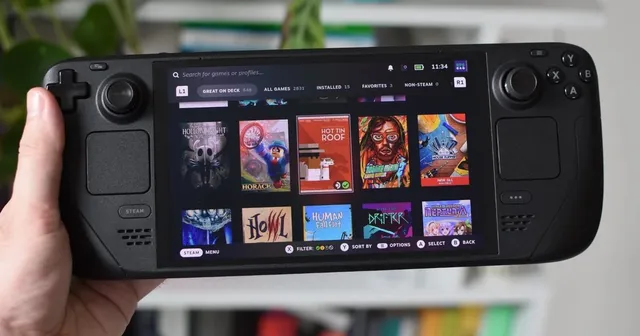
Steam Deck OLED Gets 40% Price Hike as Valve Blames Component Costs
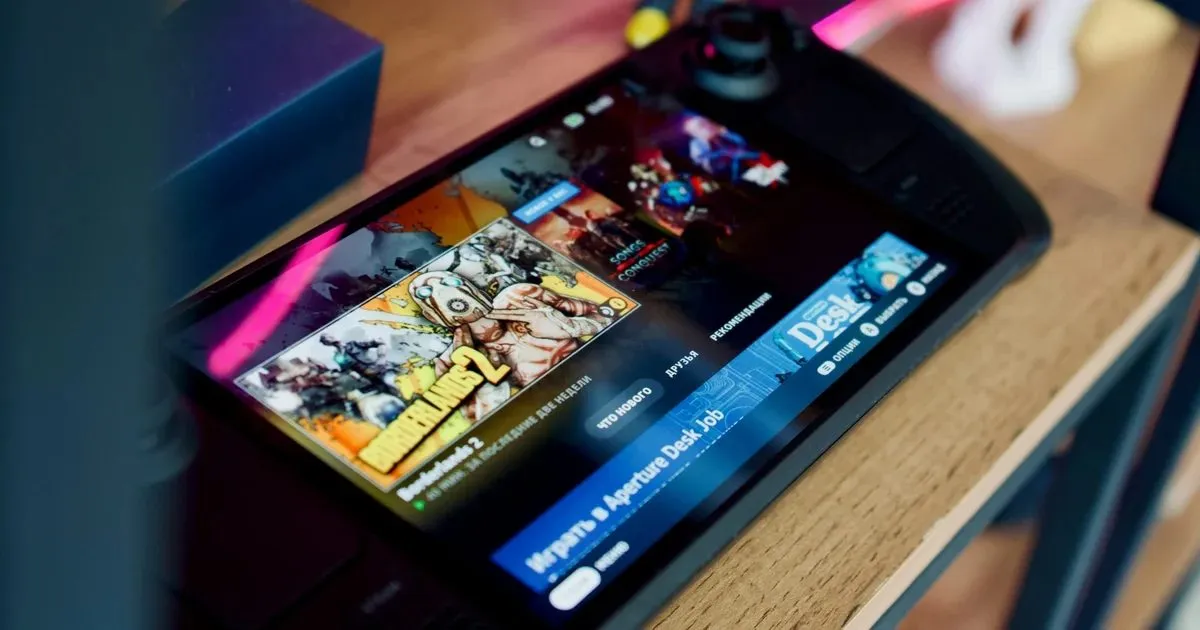
Valve’s Steam Deck OLED has taken a major price jump, with the 512GB and 1TB models now costing dramatically more than before, and Valve says rising component costs and logistics issues are to blame. For players who were waiting to grab the premium handheld, this news lands like a critical hit, especially as the wider gaming hardware market continues to feel the pressure of shortages, shipping complications, and shifting global prices.
If you were planning to pick up a Steam Deck OLED anytime soon, this is the kind of update that makes you double-check your wallet. Valve has officially raised the price of its OLED models by more than 40%, turning what was already a premium handheld option into something much harder to justify for budget-conscious players.
The new pricing is steep. The 512GB model has climbed from $549 to $789, while the 1TB version has jumped from $649 to $949. That is not the sort of increase you can shrug off as a minor adjustment. It pushes the Steam Deck OLED much closer to the kind of price territory where buyers start comparing it not just to handheld PCs, but to full home console setups, gaming laptops, and even entry-level desktop builds.
According to Valve, the increase comes down to industry-wide component costs and logistical challenges. In other words, the same supply chain headaches that have rattled the games industry for years are still very much in play. Anyone hoping those issues were finally settling down has a fresh reminder that hardware manufacturing remains a messy business.
The Steam Deck OLED had already been dealing with some turbulence before this announcement. Earlier in the year, Valve said the OLED version could be intermittently available in certain regions because of an ongoing RAM shortage. That alone suggested the company was dealing with more pressure behind the scenes than customers might have realized. When availability gets shaky, price increases often are not far behind.
For fans of the device, that is especially frustrating because the OLED version has been widely seen as the most refined take on the Steam Deck concept. Better screen quality, improved battery life, and a more polished overall feel made it the version many players were waiting for. Now, instead of feeling like the obvious upgrade path, it suddenly feels like a luxury buy.
This change also arrives at a time when Valve appears to be feeling supply pressure across more than one product category. The company has reportedly delayed launching upcoming hardware due to these ongoing issues. That suggests the Steam Deck OLED price hike is not just a one-off adjustment, but part of a broader problem affecting Valve’s hardware plans.
Of course, Valve is far from alone here. The entire gaming industry has been dealing with rising costs, and major platform holders have all started passing those increases onto consumers. Nintendo recently announced price increases for the Switch 2 across several major regions, including Japan, the US, Canada, and Europe. Sony has also confirmed higher PlayStation 5 prices in multiple markets, while Xbox has adjusted console pricing in the US more than once in recent memory.
Even subscription services are not immune. PlayStation Plus has seen price increases tied to broader market conditions, and Xbox Game Pass has had its own pricing rollercoaster. While Microsoft did reduce Game Pass pricing after a leadership change, it still did not completely undo the significant hike that came before it. For players, the pattern is becoming impossible to ignore: gaming is getting more expensive from every angle.
That is what makes the Steam Deck OLED increase sting even more. Handheld gaming PCs have carved out a strong niche partly because they offer flexibility. You can take your PC library on the go, tweak settings, install different software, and play in a way that feels more open than a traditional console. But once the price starts creeping toward a thousand dollars for a top-end model, that flexibility begins to compete with much tougher alternatives.
At $949, the 1TB Steam Deck OLED is no longer just an impulse upgrade for enthusiasts. It becomes a serious purchase that demands comparison shopping. Buyers may start asking whether they would be better off with another handheld PC, a console plus accessories, or simply upgrading their existing gaming rig. Valve still has the strength of the Steam ecosystem behind it, but even a strong ecosystem has limits when sticker shock kicks in.
For current Steam Deck owners, this news may have one small silver lining. If you already own an OLED model, that device just became a lot more valuable in practical terms. It also makes older pricing feel like a bargain in hindsight, which is not something you often get to say about gaming hardware.
The bigger concern is what this means going forward. If component shortages and logistics issues continue, more price changes across the industry could be on the way. Players have already become used to delayed launches, limited stock, and rising subscription fees. Seeing premium handhelds join that same trend only reinforces the sense that gaming hardware is entering a more expensive era.
For now, the Steam Deck OLED remains a compelling device, but it is a tougher sell than it was yesterday. Valve may have good reasons for the increase, but that does not make it any easier for players staring at the new price tags. If the Steam Deck OLED was on your wishlist, this update probably moved it a little farther out of reach.