Take-Two's Zelnick: Premium Games Should Be Ad-Free, 'Stunned' by Project Genie
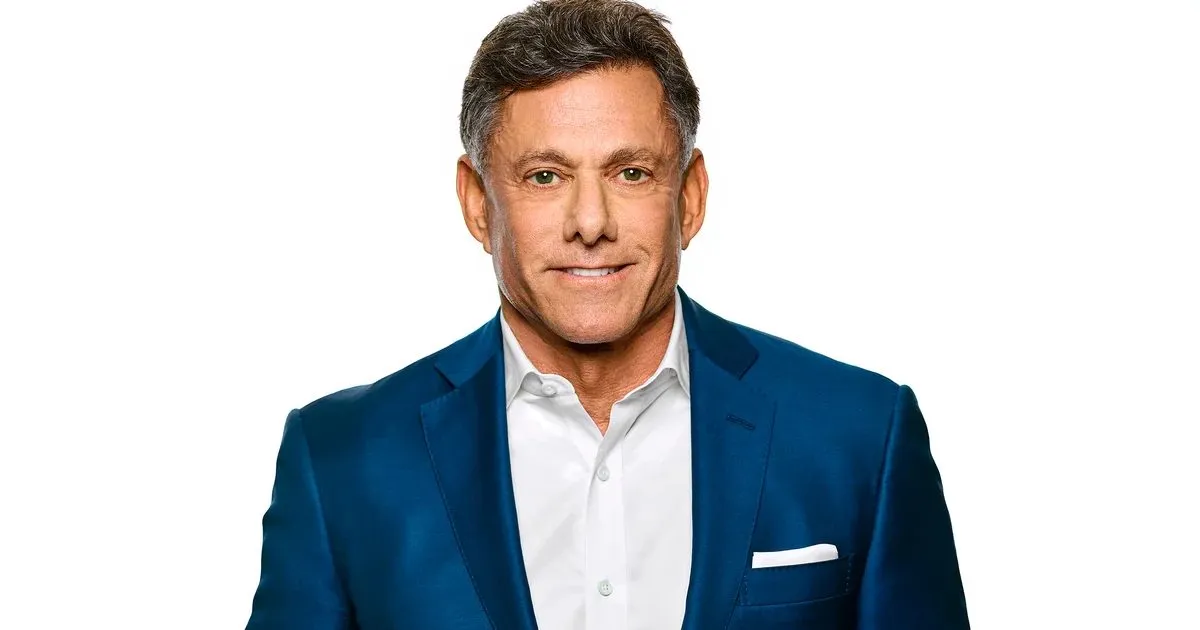
Take-Two CEO Strauss Zelnick has doubled down on a stance many players will cheer: premium games shouldn’t be cluttered with ads. While acknowledging that advertising is a vital pillar for free-to-play, he pushed back on interruptive placements in $70 titles, pointing instead to context-aware integrations in sports games as the rare exception. He also laid out a blueprint for Take-Two’s growth beyond the US and Western Europe, think deeper localization, mobile distribution partners, and smarter geo pricing, and offered a cool-headed take on AI after investor jitters over Google’s Project Genie, arguing tools don’t replace the human spark behind true hits.
Premium price, premium experience
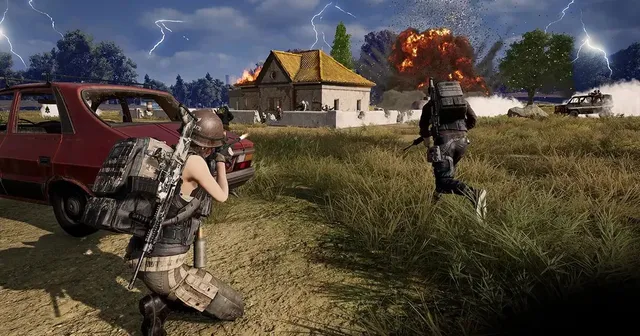
Zelnick’s position is straightforward: when players pay full price, they deserve an uninterrupted experience. That doesn’t mean the entire industry should swear off advertising, far from it. On mobile, ads can be the backbone of a free-to-play economy, subsidizing access for players who either can’t or won’t spend. But swapping that logic into a $70 boxed or digital release is a different equation. Interruptions in a premium title break immersion and trust, and for a company that has to maintain long-term goodwill around tentpoles like Grand Theft Auto and Red Dead, that’s a risk not worth taking.
This resonates with a long-held player sentiment: paying upfront should buy you a certain purity of play. As studios explore new revenue streams, that line matters. The bigger the franchise, the higher the expectation that the game respects your time, attention, and wallet.
The sports exception: immersion, not intrusion
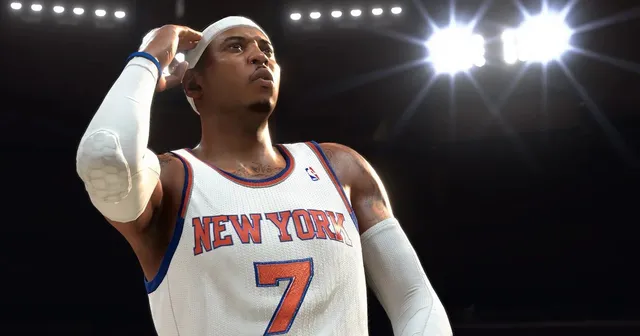
Not all ads are created equal. Sports titles, particularly those replicating real-world broadcasts and arenas, can fold in brand placements that feel natural, sideline signage, court decals, stadium boards. In these cases, ads aren’t an interruption; they’re part of the scenery. That kind of integration can enhance authenticity without turning into a cash grab.
The key is intent. If an ad fits a game’s world and never hijacks your controller mid-attack or mid-drive, players are far more likely to accept it. Cross that line with interstitials or pop-ups, and the reaction flips instantly.
Mobile versus premium: two economies, two expectations
Free-to-play depends on scale and conversion. Ads, rewarded videos, cosmetics, battle passes, all of these create a lattice of optional spending. Without it, many mobile projects don’t pencil out. Console and PC premium games, however, were sold on a promise: pay now, play fully. When studios blur that boundary, pushback is swift and often brutal.
There’s room for nuance. Live-service premium titles that add post-launch content can reasonably charge for expansions or cosmetics, assuming the core experience stands on its own. But injecting ad breaks into a premium campaign or a story-driven blockbuster would feel like paying for streaming and still getting unskippable commercials. Players notice. And they remember.
Going global: the next decade of growth
While Take-Two remains heavily weighted toward the US market today, Zelnick’s vision is far broader. The next big frontier is global: India, Africa, the Middle East, much of Asia, and Latin America represent vast communities of players who are still underserved by Western publishers. Reaching them isn’t as simple as flipping a switch, localized content, regional partnerships, and device-conscious development are critical.
- Localization beyond subtitles: This means culturalization, local voice talent, region-specific events, and meaningful in-game references that land with local audiences.
- Distribution on their terms: On mobile especially, regional storefronts, carriers, and super apps can be powerful partners. Meeting players where they already are is a must.
- Geo pricing with eyes open: Smart regional pricing can explode adoption, even if it introduces challenges like VPN abuse. The potential upside in player base and goodwill often outweighs the leakage.
- Platform flexibility: As PC continues to eclipse consoles in many markets, and as cloud/streaming models mature, releasing “console-first” titles with PC parity isn’t optional, it’s foundational.
If executed well, this shift could flip Take-Two’s revenue profile over the next decade, with the US representing a much smaller slice of a far larger global pie.
Project Genie and the AI panic
When Google showcased Project Genie’s ability to whip up tiny playable experiences from text prompts, gaming stocks wobbled. The fear is familiar: if tools can auto-generate content, do big studios lose their moat?
Zelnick’s take is cooler. Tools have always evolved, from proprietary engines to off-the-shelf tech, and each wave made parts of game development cheaper and faster. Yet none of those waves eliminated the hard problems: designing systems that feel incredible, writing characters we care about, building progression that sings, balancing difficulty, pacing, polish, and identity. Even if AI accelerates asset creation, it doesn’t auto-generate vision. The same deluge seen on mobile today, thousands of releases, only a handful of hits, will continue. Curation, craft, and community are what separate a fad from a phenomenon.
In practice, expect AI to help teams prototype quicker, iterate on lighting or level graybox, generate placeholder VO, or stub out animations. The winners will be the studios that use these tools to free up humans for the high-impact decisions you cannot automate: taste, originality, and the intangible feel that turns a good loop into an unforgettable one.
What this means for players
- Fewer interruptions in premium blockbusters: If you buy at full price, you’ll likely keep getting streamlined, ad-light experiences.
- Better sports realism without the eye-rolls: Expect contextual branding where it makes sense, not in-your-face breaks.
- More games reaching more places: Deeper localization and flexible pricing could mean greater access in emerging markets, and more vibrant communities.
- AI behind the scenes: Faster dev cycles and more iteration, but the best games still hinge on human-led direction.
What this means for developers and publishers
- Invest where it counts: Use AI to compress costs and timelines without diluting creative control.
- Respect the social contract: Premium players will forgive many things, but not broken immersion from ads that feel like ambushes.
- Build global muscles: Hire local experts, partner regionally, and plan for device variety. If PC is a bigger onramp than console in a region, design accordingly.
- Price with purpose: Geo pricing is less about charity and more about long-term market shaping. Think lifetime value, not just launch week.
The road ahead
The headline is simple but powerful: align business models with player expectations. Keep ads where they add value, not resentment. Open the doors to the rest of the world with real investment, not lip service. And treat AI as a force multiplier for teams, not a substitute for imagination. If Take-Two follows through on this playbook, the next decade could look less like squeezing more from a shrinking base and more like welcoming millions of new players into ever-better worlds, ad-free, if you paid for the privilege.