Steam Deck OLED Price Hike Hits £779/$949 Amid Memory Chip Shortages
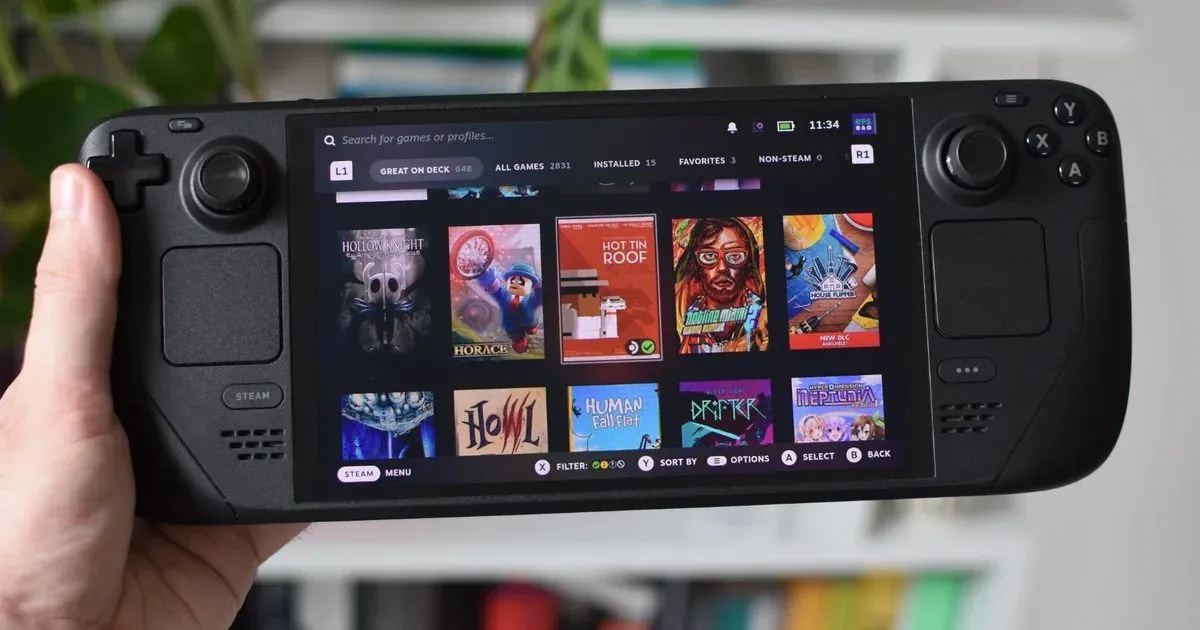
The Steam Deck OLED has returned to shelves with a shock attached: a massive price increase that pushes the 1TB model to £779/$949, turning one of gaming’s best-value handhelds into a much tougher sell. For players who loved the device because it offered premium features at a relatively accessible price, this change feels like a major blow, especially as memory chip shortages and wider hardware supply issues continue to hit gaming tech across the board.
If you have been following the handheld PC space, you already know why this news lands so hard. The Steam Deck OLED was never just another gadget with a nice screen and a recognizable brand. It earned its place by delivering a complete package that felt unusually fair for the money. It gave players a strong portable PC gaming experience, excellent controls, a beautiful OLED display, and battery life that often outclassed more powerful rivals. It was not the absolute fastest handheld on the market, but it understood what made handheld gaming enjoyable.
That value proposition has now taken a serious hit.
The biggest talking point is the scale of the increase. The 512GB Steam Deck OLED has jumped from a much more approachable tier into premium pricing territory, while the 1TB model has climbed to levels that put it dangerously close to some of the more expensive and more powerful competitors in the category. That changes the entire conversation around the device.
Before this jump, recommending the Steam Deck OLED felt easy. It was the handheld you pointed to when someone wanted a balance of comfort, performance, screen quality, and price. Now, buyers are being asked to spend hundreds more, and at that level, the market starts looking very different. Once a product enters the upper range of pricing, people naturally begin comparing raw specs, storage, refresh rates, and long-term value much more aggressively.
That is where Valve may have a tougher time.
The company has pointed to rising component costs and broader logistical challenges, and that explanation is believable on the surface. The gaming hardware market has been dealing with supply chain issues for years, and memory chip shortages have become a growing concern again. As demand from large-scale tech infrastructure rises, consumer hardware often gets squeezed. When key components become more expensive, manufacturers eventually pass those costs on to buyers. None of that is surprising.
What is surprising is how steep these increases are.
In the current handheld landscape, pricing matters as much as power. Devices from Asus and Lenovo have already been pushing the category toward faster performance and higher-end specs, even if they come with trade-offs in battery life, heat, or ergonomics. The Steam Deck OLED used to counter those rivals by being the smarter purchase. It did not need to win every benchmark because it won in day-to-day use. It was the one you actually wanted to hold for hours. It was the one that felt purpose-built for portable play rather than a shrunk-down gaming laptop with sticks attached.
That identity still matters. The Steam Deck OLED is still widely regarded as one of the most comfortable handhelds around. Its controls are excellent, its interface remains one of the most user-friendly in the segment, and SteamOS continues to give it a smooth console-like feel that many Windows-based handhelds struggle to match. Battery life is also a huge part of the story. While some rivals can push higher frame rates, they often burn through their charge fast and run hotter and louder in the process. For many players, especially those using a handheld on commutes, flights, or lazy evenings on the couch, that trade-off still favors Valve’s machine.
But value was always the ace card.
When the price climbs this high, the Steam Deck OLED stops being the obvious recommendation and becomes a much more personal one. Now the question is no longer, “Why wouldn’t you buy this?” It becomes, “What do you care about most?” If you prioritize comfort, battery life, SteamOS, and a polished handheld-first experience, the Deck OLED still makes a strong case. If you want more horsepower for demanding newer games, the competition suddenly looks much more tempting.
That is what makes this moment feel so disappointing for fans. The Steam Deck OLED remains a brilliant piece of hardware, but the price hike risks putting it out of reach for the exact audience that helped define its success. A lot of people loved the device because it made premium portable PC gaming feel accessible. That accessibility has now been chipped away.
There is also a bigger concern hanging over this story. If memory shortages and hardware costs are pushing the Steam Deck OLED up this dramatically, players will naturally start wondering what it means for Valve’s future hardware plans. Any upcoming devices tied to the same supply environment could face similar pressure. Even if nothing is announced yet, this price change raises questions about whether affordable gaming hardware can stay affordable in the current market.
For now, the Steam Deck OLED is still a great handheld. That has not changed. What has changed is the simplicity of the recommendation. It used to feel like one of the best deals in gaming hardware. Now it feels like a luxury option in a category that is only getting more competitive.
And honestly, that is the part that stings most. Not because the Steam Deck OLED suddenly became bad, but because one of the few gaming devices that felt like a genuine bargain no longer does.