Pocketpair Likely Escapes Nintendo Lawsuit With Minimal Damages, Expert Says
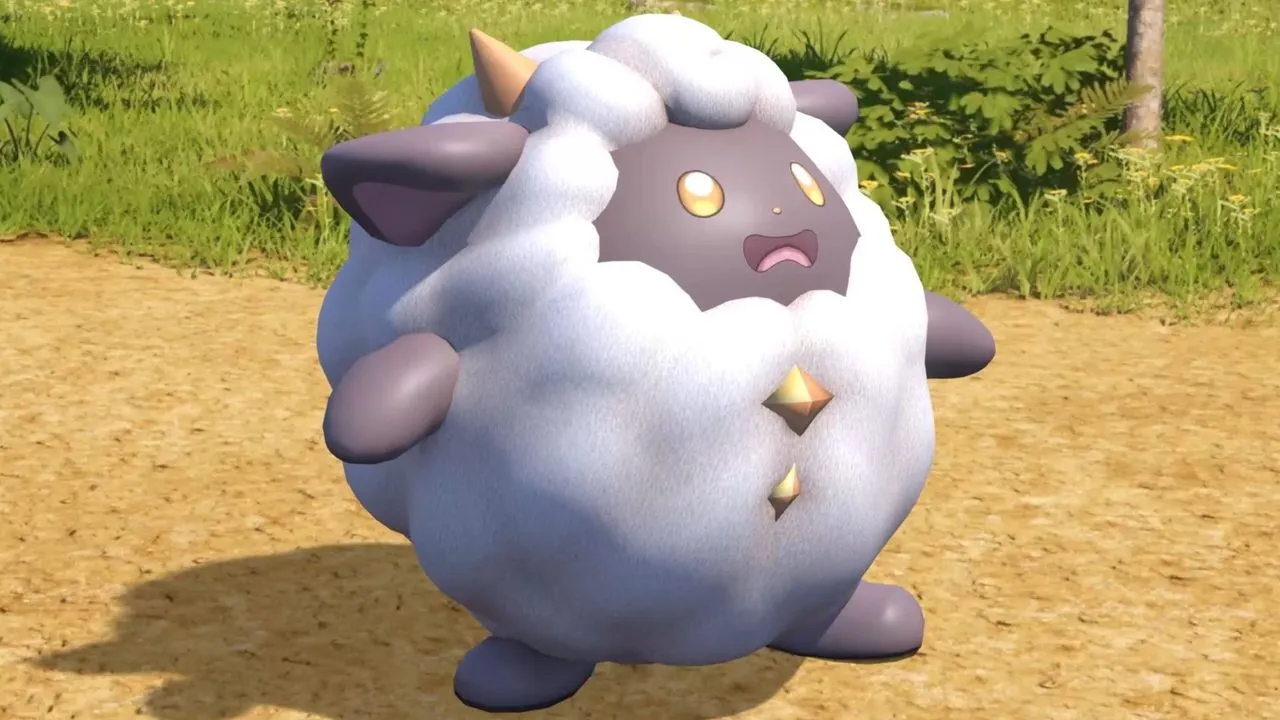
Pocketpair’s legal clash with Nintendo looks increasingly less like a studio-ending disaster and more like an expensive, high-profile headache with limited practical fallout. According to expert analysis, even if Nintendo comes out ahead, the likely damages appear relatively small, making this case feel less like a knockout blow and more like a symbolic fight over patents, industry control, and the future of monster-collecting games.
For a while, the lawsuit hanging over Palworld felt like the kind of story that could dramatically reshape the game’s future. After all, this is Nintendo we’re talking about, a company with a reputation for protecting its intellectual property with relentless determination. On the other side is Pocketpair, a studio that suddenly found itself in the center of one of gaming’s loudest controversies thanks to a game many players jokingly described as “Pokémon with guns.”
That comparison did a lot for Palworld. It helped the game break through the noise, dominate social media, and become one of the most talked-about releases in recent memory. But it also painted a giant target on Pocketpair’s back. Once Nintendo got involved, the conversation quickly shifted from creature collecting and survival mechanics to patents, infringement claims, and whether a smaller studio could survive a legal battle against one of gaming’s biggest giants.
Now, though, the picture seems a lot less dramatic than many feared.
Legal experts following the case believe that Nintendo’s potential payout may be far lower than expected. The key issue appears to be timing. Much of Palworld’s explosive success happened before the patents in question were even approved, which limits the window in which damages could potentially apply. On top of that, if any mechanics that might have been considered infringing were later adjusted or removed, that shrinks the scope even more.
In other words, this isn’t shaping up to be the kind of case where a massive sum is hanging in the balance. If the estimates are correct, the total damages Nintendo could recover may amount to a relatively modest figure by major industry standards. For giant corporations, that kind of number barely moves the needle. For fans expecting a catastrophic legal finish, it’s a reminder that not every headline-grabbing lawsuit ends in a dramatic collapse.
That doesn’t mean the case is meaningless. Far from it.
Even when the money involved is small, litigation can still send a message. Nintendo’s broader strategy here seems to matter just as much as the direct financial result. Companies often pursue these cases to reinforce boundaries, defend their rights aggressively, and discourage others from getting too close to their ideas or systems. In that sense, the lawsuit may never have been just about cash. It may have been about precedent, pressure, and public positioning.
For Pocketpair, simply getting through the case without crippling damages would be a major win. Smaller studios don’t need to lose a giant judgment to suffer. Legal costs, uncertainty, and the sheer pressure of fighting a prolonged dispute can be damaging enough on their own. That’s why the possibility of emerging “largely unscathed” feels significant. It suggests that, while the studio may have had to absorb plenty of stress and expense, it might avoid the kind of outcome that derails future development entirely.
And that matters because Palworld has already proved it’s more than a meme. What started as an internet curiosity turned into a genuine phenomenon. Players showed up in huge numbers, not just for the absurd pitch, but because the game tapped into something compelling: survival mechanics, co-op chaos, creature collection, base building, and a slightly unhinged tone that helped it stand apart from more traditional family-friendly monster RPGs.
That uniqueness is part of why this story has drawn so much attention. It’s not only about whether Pocketpair borrowed too much or whether Nintendo is justified in defending its turf. It’s also about how much room there is in the industry for games that clearly evoke existing ideas while remixing them into something new. That line has always been blurry in games. Genres are built on iteration. Mechanics evolve through imitation, experimentation, and reinvention. Patent fights complicate that process in a big way.
The debate around Nintendo’s patent strategy has only intensified because of that. Critics argue that overly broad or questionable patents can chill creativity, especially when smaller developers fear legal retaliation even for systems that feel genre-adjacent rather than directly copied. Supporters, of course, would counter that successful companies have every right to protect innovations they legally own. It’s a familiar industry tension: protection versus progress, ownership versus inspiration.
What makes this particular dispute so fascinating is that both the legal stakes and the cultural stakes seem oddly mismatched. Financially, it may end up being a minor footnote. Culturally, it has already become one of the most discussed legal clashes in modern gaming. Players aren’t just watching for a verdict; they’re watching for what the case says about the boundaries of design, competition, and influence.
If Nintendo ultimately wins but only secures a small amount in damages, the result may feel like a symbolic victory more than a practical one. If Pocketpair successfully resists the claims altogether, that would likely be read as an even stronger statement about the limits of this legal approach. Either way, it seems increasingly unlikely that the final outcome will match the apocalyptic tone that often surrounds lawsuits involving major publishers.
For now, Pocketpair appears to be in a far better position than many would have assumed when the story first broke. That alone is surprising. When a giant like Nintendo steps into the ring, most people expect devastation. Instead, this fight may end with bruised egos, a lot of legal paperwork, and a bill that matters far less than the headlines suggested.
For gamers, that leaves one big takeaway: Palworld’s wild ride isn’t ending in court just yet. The legal drama may still have a few twists left, but the idea of Pocketpair walking away mostly intact no longer feels unrealistic. In a year packed with industry shake-ups, layoffs, and studio closures, that’s a pretty notable outcome all by itself.