Original Nintendo Switch Lineup to End in Europe by 2027
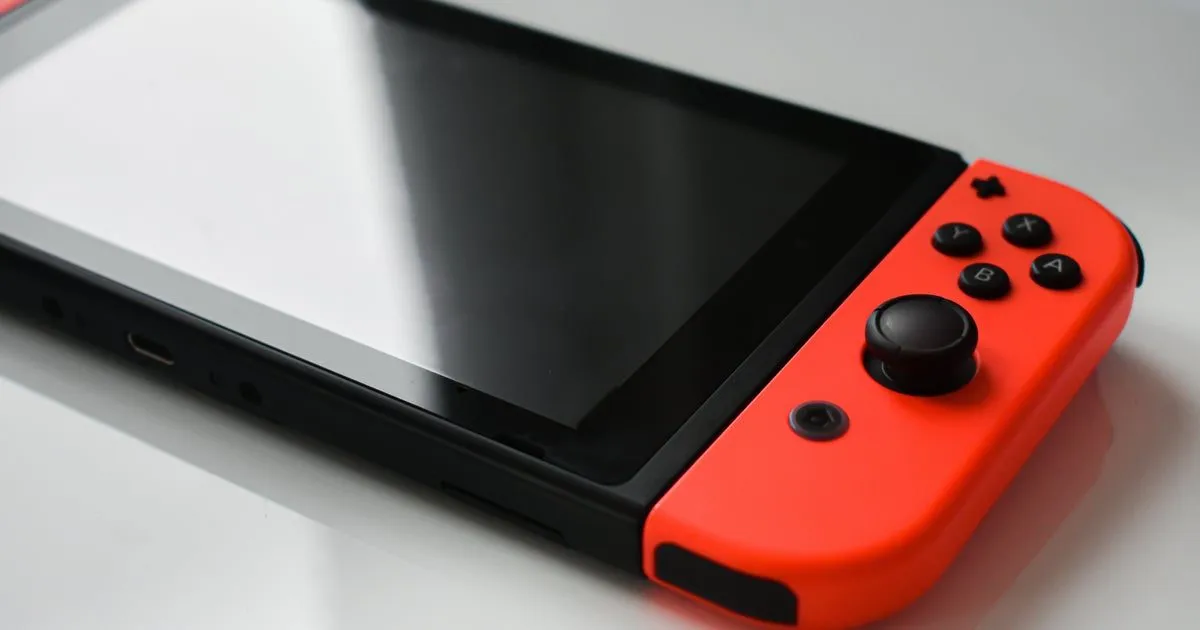
Nintendo is preparing for a major hardware transition in Europe, with the original Switch family set to leave the market by mid-February 2027 due to new EU rules around replaceable batteries. The change will affect the standard Switch, Switch Lite, and OLED models, while revised Switch 2 hardware and updated accessories begin rolling out in stages, marking one of the biggest practical shifts in Nintendo's European console strategy in years.
Nintendo's European Switch sunset is now on the horizon
After years of dominating the hybrid console space, the original Nintendo Switch lineup is finally approaching a firm end date in Europe. According to the latest details, Nintendo will stop supplying the original Switch, Switch Lite, and Switch OLED to retailers in the region from mid-February 2027. Sales through the Nintendo Store in Europe are also set to end at that point.
That might sound abrupt at first, but the timeline is actually fairly gradual. Nintendo plans to continue manufacturing all three original Switch models throughout 2026, and the company expects them to remain widely available in Europe until the cutoff arrives in early 2027. For players who still want to pick up one of these systems, there is still a decent window left.
This is not just Nintendo making a routine generational move. The decision is tied to EU legislation that requires consumer electronics makers to offer more accessible battery designs. By 2027, manufacturers must ensure that batteries can be accessed by consumers using standard or specialized tools, and they also need to provide clear instructions and relevant safety guidance.
Why battery laws are reshaping console hardware
For gaming fans, this kind of regulation can seem pretty far removed from the usual excitement around new games, frame rates, or launch trailers. But in practice, it can have a huge impact on how hardware is designed, sold, and supported.
Portable and hybrid systems like the Switch rely heavily on internal batteries, and older hardware designs were not always created with easy battery replacement in mind. The EU's approach is pushing companies toward devices that are easier to maintain, longer-lasting, and potentially less wasteful over time.
That means Nintendo is not simply retiring old systems because it feels like a nice clean endpoint. It is responding to rules that change what counts as compliant hardware in a major market. Europe is important enough that this kind of legislation can directly shape product roadmaps, manufacturing decisions, and accessory support.
Switch 2 revisions are already on the way
The most interesting part of this whole update is that Nintendo is not waiting until 2027 to react. Revised Switch 2 consoles are expected to start rolling out this summer, suggesting the company is already adjusting its newer hardware to meet the upcoming requirements.
Nintendo has also outlined a staged release plan for related accessories and controllers. Replacement Joy-Con 2 controllers and the updated Pro Controller are expected this winter. Nintendo 64 and GameCube controllers are slated to arrive in early 2027. Battery replacement kits will also be sold through the Nintendo Store in Europe, which is a pretty notable change for a company that has traditionally kept hardware repairs closer to official service channels.
That last detail could end up being a big win for players who care about maintaining their own gear. If Nintendo follows through with accessible kits and clear instructions, it could make battery swaps far less intimidating for everyday users.
Accessories are part of the story too
This transition is not only about the consoles themselves. Nintendo says the change will also affect several accessories tied to the original Switch ecosystem, including the original Pro Controller, Pokémon Go Plus +, NES controller, Sega Mega Drive Control Pad, and SNES controller.
For collectors, that puts some extra urgency on certain purchases. Retro themed controllers and niche accessories often disappear quietly, then become surprisingly difficult to find later without paying collector prices. If you have been putting off picking up one of those hardware extras, this timeline may be worth keeping in mind.
At the same time, Nintendo's move suggests the company is trying to cleanly separate the original Switch era from the revised hardware future. That does not mean the old ecosystem instantly becomes useless, but it does mean the market support behind it will start narrowing.
What this means for players in Europe
If you already own an original Switch, Switch Lite, or OLED model, the immediate impact is limited. These systems are not shutting down, digital purchases are not vanishing overnight, and your current library is not going anywhere just because sales stop in 2027.
The bigger questions are about long-term support, replacement parts, repairs, and accessories. Nintendo has confirmed there is no difference in functionality between current and revised products, which should reassure anyone worried that a new model means some hidden performance jump. Still, there is uncertainty around how revised hardware could affect existing Switch 2 owners in the EU, especially when it comes to warranty handling or future service options.
Nintendo also cautioned that revised products may not appear in every European country at the same time. That means some regions could see a staggered transition, which is worth noting if you are planning an upgrade or hoping to buy a specific controller at launch.
The bigger picture for gaming hardware
This feels like one of those stories that starts as a regional compliance update and slowly turns into something much bigger. Battery legislation might not be flashy, but it speaks to a future where consoles and accessories are expected to be more repairable and more consumer-friendly.
For Nintendo, that means saying goodbye to one of its most successful hardware families in its current form. For players, it means the end of an era, but also a glimpse at how gaming hardware may evolve in response to real-world policy changes.
The original Switch transformed how a lot of people play, whether that meant Zelda on the couch, Mario Kart at a party, or a backlog of indie games in handheld mode before bed. Its eventual exit from the European market is a practical business move, but it also lands with a bit of emotional weight. This console lineup has had an incredible run.
Now the question is not whether the transition is happening, because it clearly is. The real question is how smoothly Nintendo can guide European players from the old Switch generation into a revised future that meets new rules without losing the convenience and charm that made the platform such a hit in the first place.