Nintendo Reportedly Plans to Make 20 Million Switch 2 Consoles in FY27
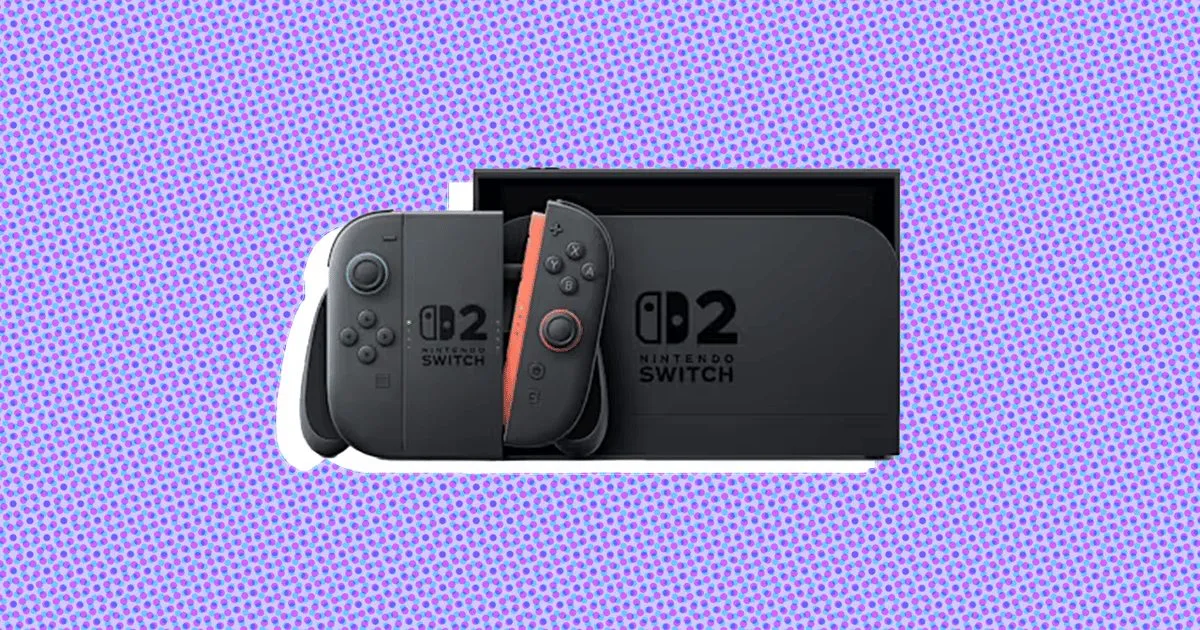
Nintendo may be gearing up for another massive year with the Switch 2, as reports suggest the company is targeting production of 20 million consoles during FY27. That figure stands notably above Nintendo’s own public sales forecast, hinting at confidence in continued demand even as the system moves beyond its launch honeymoon period. Between strong early momentum, price changes, and the usual market uncertainty, this production goal paints a fascinating picture of where Nintendo sees the platform heading next.
If the reported number holds, Nintendo would be assembling far more Switch 2 units than the 16.5 million it currently expects to sell by the end of the fiscal year. On paper, that gap might seem strange. Why build so many more consoles than you think you’ll move? But in the gaming business, especially for a company like Nintendo, production planning is rarely that simple.
A higher manufacturing target can mean a few different things. First, Nintendo could be trying to avoid the dreaded stock shortages that have haunted major console launches for years. Players know the pain well: a hot new system arrives, excitement is through the roof, and suddenly every store shelf is empty for months. If Nintendo really is aiming for 20 million units, it may be trying to keep supply healthier and retailers better stocked throughout the year.
Second, it suggests the company wants flexibility. Public sales forecasts tend to be conservative, especially from platform holders speaking to investors. Manufacturing plans, on the other hand, can reflect internal optimism. Nintendo may be preparing for stronger-than-expected momentum while still giving itself room to revise production up or down depending on how the market reacts.
That market reaction is going to be especially important because the Switch 2 is entering a different stage of its life cycle. The console reportedly sold nearly 20 million units worldwide since launching in June 2025, which is an impressive pace and enough to outstrip the original Switch over a similar period. That kind of start gives Nintendo plenty to feel good about. Still, second-year sales are always a tougher challenge. Launch hype settles down, early adopters are already on board, and the broader audience starts weighing factors like price, software lineup, and competition more carefully.
And price is a huge part of this story.
Nintendo recently announced price increases for the Switch 2 in multiple markets, including a jump in the United States from $449.99 to $499.99. That is not a small bump, especially at a time when many players are already feeling squeezed by rising costs across entertainment, tech, and everyday life. A higher price tag can absolutely cool demand, particularly for families and more casual buyers who helped make the original Switch such a breakout success.
According to Nintendo leadership, the increase is tied to maintaining a healthy earnings structure. In simpler terms, the company is trying to protect margins in a world where making hardware has become more expensive. Components cost more, logistics remain volatile, and broader global pressures continue to hit manufacturing. For Nintendo, keeping the business stable may matter more than holding the line on pricing at all costs.
From a player perspective, though, this creates an interesting tension. On one hand, the Switch 2 clearly has momentum. On the other, a $499.99 console has a different psychological impact than one priced below that threshold. Crossing that line makes the system feel more premium, but it also invites more scrutiny. Gamers will want to know whether the hardware, exclusives, and overall ecosystem justify the expense.
This is where Nintendo’s software strategy becomes critical. Hardware can open the door, but games are what keep a console moving. If the company has a stacked FY27 lineup ready to go, then a 20 million production target looks a lot more believable. Big first-party releases, major third-party support, and must-have multiplayer experiences can push a system well beyond cautious forecasts. Nintendo has always understood that a killer game lineup can overcome obstacles that would sink a less distinct platform.
There is also a strategic benefit to simply being ready. If demand spikes because of a surprise hit, a holiday bundle, or a major franchise release, Nintendo would rather have extra units available than miss out on sales. Nothing kills momentum faster than customers wanting to buy in and finding nothing in stock. Overproducing slightly can be safer than underestimating demand, especially after a launch period that already proved the Switch 2 has real staying power.
Of course, these reported plans are not set in stone. Production targets can shift based on sales trends, retailer orders, and broader economic conditions. If demand softens more than expected, Nintendo could scale things back. If the market stays hot, 20 million might end up looking smart rather than ambitious.
For now, the big takeaway is simple: Nintendo does not seem to be acting like a company worried about the Switch 2 fading away anytime soon. Even with a tempered public sales forecast and a higher price point, the reported production goal suggests confidence in the system’s future. Maybe not unchecked confidence, but enough to keep the factories busy.
For gamers, that is good news in more ways than one. Strong production usually means better availability, less scalping chaos, and a better chance of actually getting your hands on the console without turning checkout into a boss fight. And if Nintendo is preparing that many units, it likely believes the software roadmap and market appetite are strong enough to support another big year.
The Switch 2 may be leaving its launch window behind, but it does not look like Nintendo is thinking small. If anything, the company seems ready to bet that the console’s momentum still has plenty of extra lives left.