Pippin Barr’s 8 New Free Browser Chess Variants Are Delightfully Unhinged
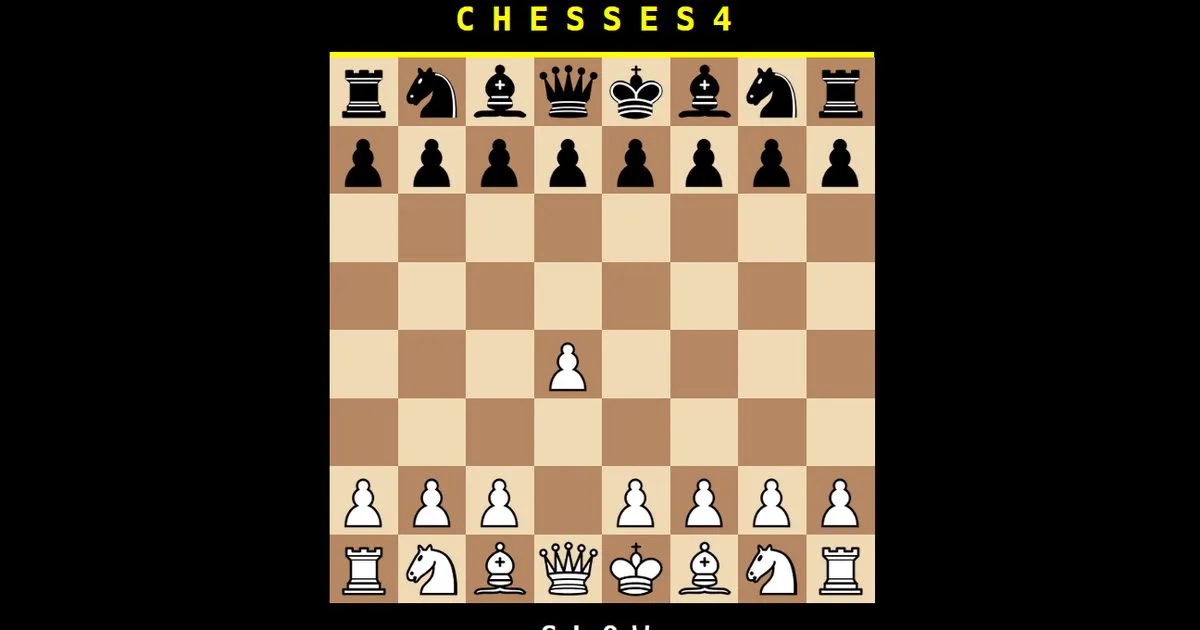
Pippin Barr is back with eight more free browser-based chess variants, and they sound like the kind of ideas you’d get if a classic strategy game fell asleep during a fever dream and woke up inside an art school prank. The appeal is simple: take the rigid structure of chess, throw it into bizarre situations, and see whether the result feels like genius, chaos, or both at once. For players who love experimental design, browser games, and watching old rules get lovingly twisted into absurd new shapes, this latest batch looks like an absolute treat.
There are few games more sacred than chess. It has centuries of prestige, endless theory, and an intimidating aura that can make newcomers feel like they’ve arrived late to a party that started in the Middle Ages. That’s exactly why Pippin Barr’s ongoing mission to poke, prod, and remix chess is so entertaining. Instead of treating the game like untouchable strategy royalty, Barr turns it into a playground.
This newest release adds another eight variants to his ever-growing collection of browser-based experiments. If you’ve followed his previous sets, you already know the general vibe: these are not normal tweaks designed to create a more balanced competitive meta. These are the kinds of concepts that begin with “what if chess, but…” and then sprint directly into delightful nonsense.
That spirit is what makes the whole project so appealing. Traditional chess asks you to master an orderly battlefield. Barr’s versions often ask you to do that while the battlefield itself is misbehaving, the pieces are acting strange, or the entire premise has been filtered through some wildly different genre or artistic idea. It’s less about perfect optimization and more about adaptation, improvisation, and laughing when your carefully considered move gets sideswiped by the game’s latest ridiculous twist.
The latest set reportedly includes ideas like chess on a travelator, chess with Candy Crush-style energy, and chess slowed down to an almost painfully deliberate crawl. Even just reading those concepts is enough to spark curiosity. How much pressure can you put on the structure of chess before it becomes something else entirely? How much absurdity can the game absorb and still remain recognizable? Barr seems committed to finding out, one wonderfully cursed prototype at a time.
What’s especially fun here is that these aren’t just random gimmicks for the sake of noise. Experimental game design works best when it reveals something about the original, and Barr’s work often does exactly that. By scrambling chess in unusual ways, these variants highlight what makes chess feel stable, serious, and legible in the first place. You notice the importance of clarity when the presentation turns weird. You notice the rhythm of a match when time gets distorted. You notice how much of chess depends on shared expectations when those expectations get tossed out the window.
In that sense, these games are doing two jobs at once. They’re goofy, accessible browser toys that can get a laugh out of players who would never willingly sit through a standard chess lesson. But they also function as little design essays. Every strange rule and every awkward disruption asks a question: what is the minimum amount of “chess” required for a game to still feel like chess?
That question becomes even more interesting because Barr’s target audience doesn’t seem limited to hardened chess players. In fact, part of the charm is that these games can be more inviting to people who usually bounce off the classic version. Standard chess can feel like walking into a competitive scene with a thousand years of homework attached. Experimental chess, by contrast, gives everyone permission to be confused together. When the board itself has gone off the rails, being a beginner stops feeling like a disadvantage and starts feeling like the point.
One of the more amusing entries in the new batch is Correspondence, which frames the experience as an online game of chess with Barr himself. That’s an especially funny concept because it turns the project inward. After all these years of making chess increasingly stranger for everyone else, Barr now steps directly onto the board. It adds a personal, almost performative angle to the whole collection, as though the designer is saying: if we’re going to turn chess into an ongoing art experiment, I might as well be part of the experiment too.
By now, the number of Barr’s chess variants has grown into a genuinely impressive body of work. What started as a silly-sounding idea has evolved into a long-running creative series that keeps finding new ways to stretch a famously rigid game. That persistence is part of what makes it admirable. It would be easy for a project like this to run out of steam after a couple of obvious jokes. Instead, it keeps expanding, finding fresh angles, and proving that even the oldest games can still be fertile ground for weird ideas.
There’s also something refreshing about the format. These are free browser games, which means the barrier to entry is wonderfully low. No giant install, no elaborate setup, no pressure to commit to some 80-hour strategy campaign. You can just jump in, experience a strange little ruleset, and decide whether it feels brilliant, broken, or gloriously both. That kind of accessibility matters, especially for experimental projects that thrive on curiosity.
For the indie scene, this sort of work is a great reminder that not every game needs to chase scale, polish, or mainstream appeal. Sometimes it’s enough to take a familiar system and ask a truly odd question about it. Sometimes the result is funny. Sometimes it’s unexpectedly thoughtful. And sometimes it makes you stare at the screen and wonder why “chess, but slower than drying paint” sounds annoyingly compelling.
At this point, Barr’s growing archive of variants feels less like a one-off joke and more like a celebration of playfulness itself. Chess survives the mockery. In fact, it might even benefit from it. A game that has lasted this long can probably handle being pushed onto a metaphorical travelator every now and then.
If you love browser curiosities, experimental design, or just the idea of seeing a legendary strategy game repeatedly dropped into controlled chaos, these new variants sound well worth your time. They may not make you a better chess player in the traditional sense, but they will almost certainly make you think differently about what chess can be. And honestly, that might be the best move of all.