Microsoft Admits Xbox Needs Work After Gaming Revenue Slump and Game Pass Changes
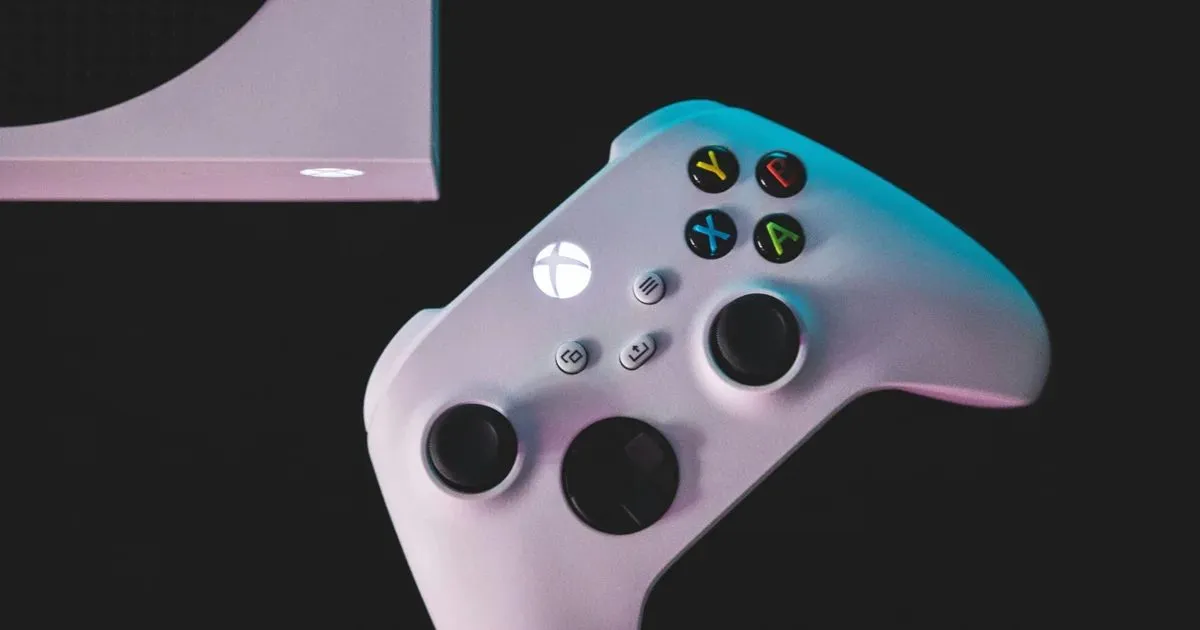
Microsoft has openly acknowledged that Xbox is facing a rough stretch, with gaming revenue slipping, hardware sales taking a major hit, and Game Pass undergoing another round of changes. Still, the company is framing this moment as a reset rather than a retreat, pointing to stronger player engagement, record activity in streaming, and a renewed push to win back core fans through better value, stronger services, and a clearer long-term strategy.
It is not often that a platform holder comes out and says, in so many words, that it has work to do. Yet that is basically where Microsoft has landed with Xbox right now. After its latest quarterly results, the company painted a mixed picture: cloud and AI businesses are flying, but gaming is under pressure. Xbox content and services dipped, hardware revenue dropped sharply, and leadership is now talking less about broad ambition and more about rebuilding trust with players.
For Xbox fans, this is the kind of update that feels both concerning and strangely familiar. The brand has spent years trying to position itself as more flexible, more player-friendly, and more forward-looking than the competition. In many ways, it succeeded. Game Pass became one of the biggest talking points in gaming, cloud streaming kept improving, and Xbox expanded beyond just the box under the TV. But numbers still matter, and right now those numbers suggest that the Xbox business is not firing on all cylinders.
The headline figure is the 33% decline in hardware revenue. That is a massive drop, and it is hard to ignore. Price increases for the Series X and Series S likely did not help, especially in a market where players are already more cautious about spending. Consoles are a major entry point into an ecosystem, and when they become harder to justify, the ripple effects can be felt across software, subscriptions, and long-term engagement.
On the services side, the 5% decline in Xbox content and services is not catastrophic on its own, but it adds to the sense that momentum has stalled. Microsoft has pointed out that the previous year benefited from stronger first-party content, which is a fair comparison point. Even so, the message is clear: Xbox needs bigger wins, better consistency, and a stronger reason for players to stay locked into the ecosystem.
That is why the recent Game Pass changes matter so much. Microsoft reduced prices for its premium tiers, which at first glance sounds like an easy win. Lower monthly costs for Game Pass Ultimate and PC Game Pass should make the service more appealing, especially after earlier price hikes had pushed some players toward frustration. But the changes were not universally positive. The removal of Call of Duty from day-one access is a major adjustment, and for many players that cuts directly against what made Game Pass feel so exciting in the first place.
Game Pass has always lived on a simple promise: huge value, day-one access, and a library that makes subscription gaming feel like a no-brainer. Once you start tweaking that formula, even if it is done for financial sustainability, players are going to notice. Some will appreciate the lower price. Others will focus on what they are losing. That tension is at the heart of Xbox’s current challenge.
Interestingly, Microsoft is not talking like a company ready to pull back from gaming. If anything, it sounds like it wants to refocus and go again. Satya Nadella’s comments about doing the foundational work to win back fans suggest that leadership knows goodwill cannot be taken for granted. Xbox may still have record monthly active users and strong streaming hours, but engagement alone does not solve every problem. Fans want confidence. They want reasons to believe the platform has a clear identity and a roadmap that benefits players, not just spreadsheets.
That is where the newer messaging from Xbox leadership becomes important. The shift from talking about Microsoft Gaming to leaning harder into the Xbox brand feels deliberate. It suggests an effort to reconnect with the emotional side of the business. Xbox means something to players in a way that a broad corporate label never could. Re-centering the brand could be a smart move if it leads to better products, clearer messaging, and a stronger commitment to what fans actually care about.
And to be fair, there are still some promising signals here. Microsoft says console remains central to its future, which is an important reassurance at a time when many players have wondered whether Xbox might drift into a pure service platform. The emphasis on affordability, openness, and personalisation also fits with the company’s broader push to meet players where they are, whether that is on console, PC, mobile, or cloud.
The plan to strengthen creator-driven ecosystems like Minecraft, The Elder Scrolls, and Sea of Thieves also makes sense. These are not just game titles, they are long-tail communities. If Xbox wants sustainable growth, investing in games and platforms that keep players engaged for years is probably smarter than chasing only short bursts of launch hype. Add in a focus on social features, discovery tools, and customisation, and Microsoft seems to be aiming for a stickier, more community-driven future.
Still, none of this becomes meaningful unless the player-facing results improve. Gamers are patient up to a point, but they also have long memories. They remember price hikes. They remember changing promises. They remember when big strategies sound exciting on paper but do not immediately translate into better experiences.
So where does that leave Xbox? Probably in a transition phase that feels more serious than the usual corporate spin. Microsoft’s wider business is incredibly strong, but Xbox is being asked to prove that it can still grow in a way that feels authentic to its audience. That means better value, smarter hardware positioning, stronger exclusives or content timing, and a Game Pass model that balances sustainability with the excitement that made it special.
For now, the biggest takeaway is simple: Microsoft knows Xbox needs work, and it is finally saying so out loud. For fans, that honesty may actually be a good start. The harder part comes next, because acknowledging the problem is one thing. Fixing it is where Xbox will either win people back or lose even more ground.