Amazon Luna removes third‑party libraries and a‑la‑carte purchases, no refunds
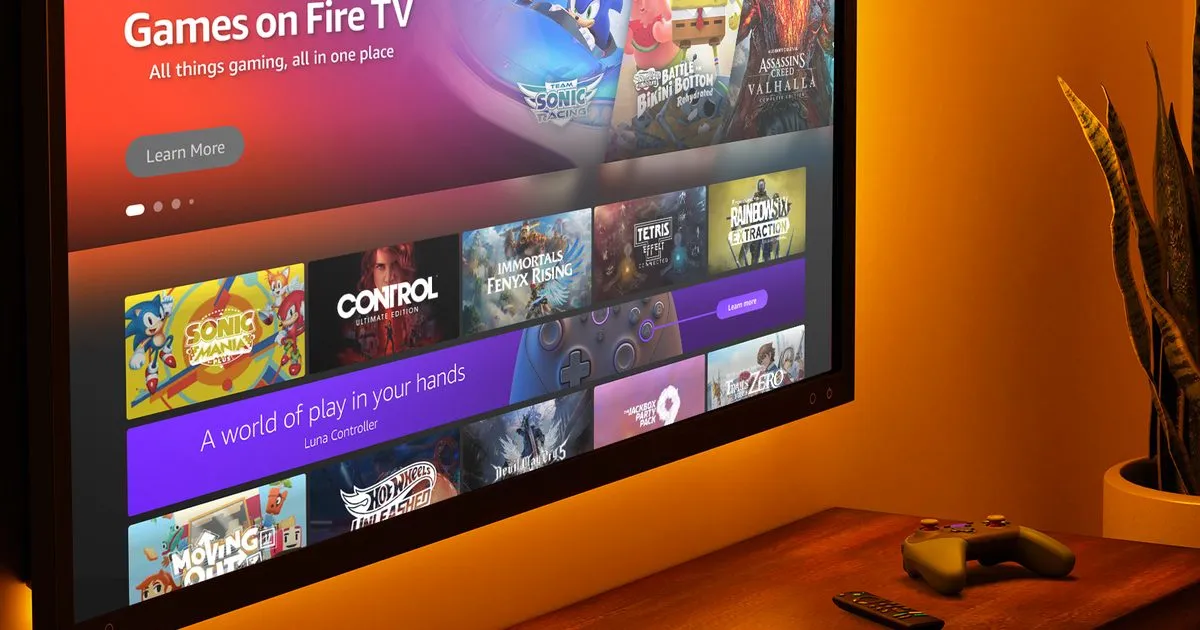
Amazon is overhauling Luna in a big way: third‑party libraries and a‑la‑carte purchases are being retired from the service, and Amazon says there will be no refunds. Purchases and third‑party subs made before April 10, 2026 will disappear from Luna libraries by June 10, 2026, Bring Your Own Library access ends June 3, and save data will be downloadable for 90 days after June 10 (with no guarantees it will work elsewhere). Luna will now focus on content tied to Prime and its own channels. Here’s what changed, why it matters, and what you should do next.
What exactly is changing on Luna
- Third‑party account linking: Gone. Linking to external stores and services like GOG, EA, and select partner subscriptions is being removed. If you were streaming those purchases through Luna, that option is ending.
- A‑la‑carte purchases: Also gone. Anything you bought directly to stream on Luna under that model will not be refundable and will be removed from your Luna library on June 10, 2026.
- Partner subscriptions through Luna: If you subscribed to Ubisoft+ or Jackbox Games via Luna billing, those memberships will renew one final time after your current cycle and then end. Access via Luna stops by June 10, 2026.
- Bring Your Own Library: The BYOL perk, streaming games you own elsewhere via Luna, is ending. Access runs through June 3, 2026.
- Save data downloads: You’ll have a 90‑day window starting June 10, 2026 to download your Luna save files. Compatibility is up to each publisher and platform, so test early.
Important nuance: You still own purchases on their original platforms. If you bought a game on GOG or play via the EA App, those purchases remain on those services; you just won’t be able to stream them via Luna anymore.
Why Amazon says it’s doing this The company’s message boils down to focus. Rather than acting as a cross‑store streaming bridge, Luna is pivoting to a curated, subscription‑forward catalog, with heavier alignment to Prime membership. That likely simplifies licensing, reduces support overhead, and makes the content slate more predictable. It also pushes Luna toward a model where the value proposition is “sign in with Prime, play what’s included,” instead of Luna being a universal streaming launcher for libraries you own elsewhere.
Why this stings for players
- No refunds sets a harsh precedent. Even if the terms of service said all sales are final, revoking a method of access so soon after purchase can feel like the ground is shifting under your feet. Trust is part of any digital service, and this erodes it.
- Library fragmentation returns. BYOL was Luna’s cleanest value add for collectors who wanted to stream their PC libraries without repurchasing games. Losing it means juggling launchers again, and it undercuts one of cloud gaming’s best quality‑of‑life perks.
- Save uncertainty is stressful. The 90‑day window is generous on paper, but compatibility caveats turn it into a to‑do list item for each title. Not every game’s save architecture plays nicely across platforms.
- The Prime‑first direction narrows the funnel. Many players used Luna as a companion service, not a destination. Shifting to a more closed ecosystem reduces choice.
The broader cloud gaming context Cloud gaming has been in a steady identity battle: is it a new store, a perk layered on top of existing ownership, or a subscription carousel like video streaming? Luna’s change is one more data point that the industry keeps gravitating toward curated catalogs with recurring revenue. It’s consistent with the trend across media, but it also clashes with what made cloud streaming exciting early on: the dream of playing your existing library anywhere, instantly, without rebuying.
We’ve seen competing philosophies:
- Walled gardens that bundle cloud access with a single subscription and catalog.
- Hybrid approaches that let you stream the games you already own from partnered stores.
- Platform‑exclusive clouds tied to hardware ecosystems.
By walking away from third‑party linking and BYOL, Luna moves firmly into the first camp. That may be cleaner for Amazon, but it removes a differentiator that won fans who value ownership and portability.
What you should do right now
- Audit your Luna‑linked content: Make a list of any games you were streaming through Luna from GOG, EA, Ubisoft, or other third parties.
- Verify your ownership elsewhere: Install or log into the original storefronts for those titles and confirm you can download them there.
- Download your cloud saves early: Don’t wait for the deadline. Grab your Luna saves soon after June 10 and test them on your destination platform.
- Check save compatibility: Look up save locations and formats for each game. Some may need manual placement or conversion tools to function.
- Manage partner subs: If you subscribed to Ubisoft+ or Jackbox through Luna, decide whether you want that “one final” renewal. If not, cancel before it triggers.
- Consider a new streaming path: If streaming is essential to your setup, compare services that support owned libraries or alternative streaming from your hardware.
A note on game preservation Moves like this are a reminder that digital access is fragile. Even when a library is yours on paper, the convenience layer, cloud streaming, cross‑save, easy launchers, can be turned off. For players, that means:
- Keep local backups when possible, especially for single‑player titles with saves you care about.
- Favor platforms that separate ownership from access method, so one change doesn’t cascade through your entire library.
- Track end‑of‑service timelines and act promptly; 90 days can vanish if you’re mid‑backlog.
What this means for Luna’s future If Luna becomes a Prime‑aligned catalog machine, its success will hinge on:
- The depth and rotation of included games.
- Social features and frictionless party play that make it feel like jumping into a show on a streaming app.
- Reliable performance across devices, because content means little if the stream falters.
- Clear communication about rotations, departures, and save portability to rebuild trust.
Constructive feedback Amazon should hear
- Offer a grace period perk: Account credits or a temporary upgrade to a premium Luna channel for affected users would signal goodwill.
- Ship robust save tools: One‑click export, title‑by‑title compatibility notes, and guides for importing saves on popular platforms would reduce anxiety.
- Communicate roadmaps: Outline what Prime‑aligned content and features are actually coming, with timelines, so players can plan rather than guess.
- Explore limited BYOL for key partners: Even a smaller, curated set of supported stores would preserve some of Luna’s unique appeal.
How to navigate the next months
- Prioritize live‑service and RPG saves: These often have the most time invested and the trickiest migration paths.
- Take screenshots of settings and keybinds: These don’t always travel with saves but matter for comfort.
- Test a few titles end‑to‑end: Export a Luna save, import it to the target platform, and play for 10–15 minutes to confirm it sticks before the window closes.
- Document your setup: A short note listing where each game’s save belongs can save hours when you’re moving multiple titles.
Final thoughts It’s fair for platforms to evolve, and focusing a service isn’t inherently bad. But players remember how a pivot feels. Retiring third‑party libraries and a‑la‑carte access without refunds trades short‑term operational clarity for long‑term goodwill. If Luna wants to be more than a Prime perk that people forget to cancel, it needs to earn back trust with transparent timelines, strong tools, and a catalog that feels like a genuine upgrade, not just a smaller sandbox.
For now, treat the dates as hard deadlines, secure your data, and reassess where you want your gaming time (and money) to live. Cloud gaming can still be magical, but ownership, access, and preservation need to be part of the conversation, not an afterthought left in the, well, cloud.