Griffin Gaming Launches $100M Indie Game Fund Backed by Tim Bender
Big funding news just landed for indie developers: Griffin Gaming Partners has launched a $100 million fund aimed at helping smaller studios bring promising games to market, with Hooded Horse CEO Tim Bender helping oversee the initiative. Instead of chasing equity, the fund is built around revenue-sharing, which could make it a more appealing option for teams that want financial support without giving up long-term ownership of their studio.
For anyone following the business side of games, this is the kind of announcement that stands out immediately. A dedicated $100 million pool for indie projects is not just another investment headline. It signals growing confidence in independent development at a time when smaller studios are proving again and again that they can create breakout hits without blockbuster budgets.
The fund, called the Special Opportunities Fund, is being positioned as a financing tool specifically designed for game developers who need capital but may not want to take the traditional route. That matters because a lot of indie teams face the same difficult balancing act: they need money to finish development, grow their team, handle marketing, or simply stay afloat through a longer production cycle, but every financing option can come with tradeoffs.
What makes this move especially interesting is the focus on revenue-sharing instead of equity-based investment. In simple terms, that means developers can secure funding in exchange for a slice of a game’s future revenue, rather than giving up ownership in their company. For many studios, that could be a much easier deal to stomach. Indie creators often care deeply about retaining control over their projects, their brand, and their long-term future. A model that helps them keep that control could be very attractive.
Tim Bender’s involvement also gives the fund some extra weight. As the CEO of Hooded Horse, he has become a notable figure in publishing circles, especially among strategy and simulation fans. Hooded Horse has built a reputation around working with games that may not always fit the biggest mainstream mold but still have serious audience potential. Having someone with that kind of experience attached to the fund suggests this will not just be money thrown around at random. Ideally, it means projects will be evaluated by people who understand what makes niche and mid-sized games successful.
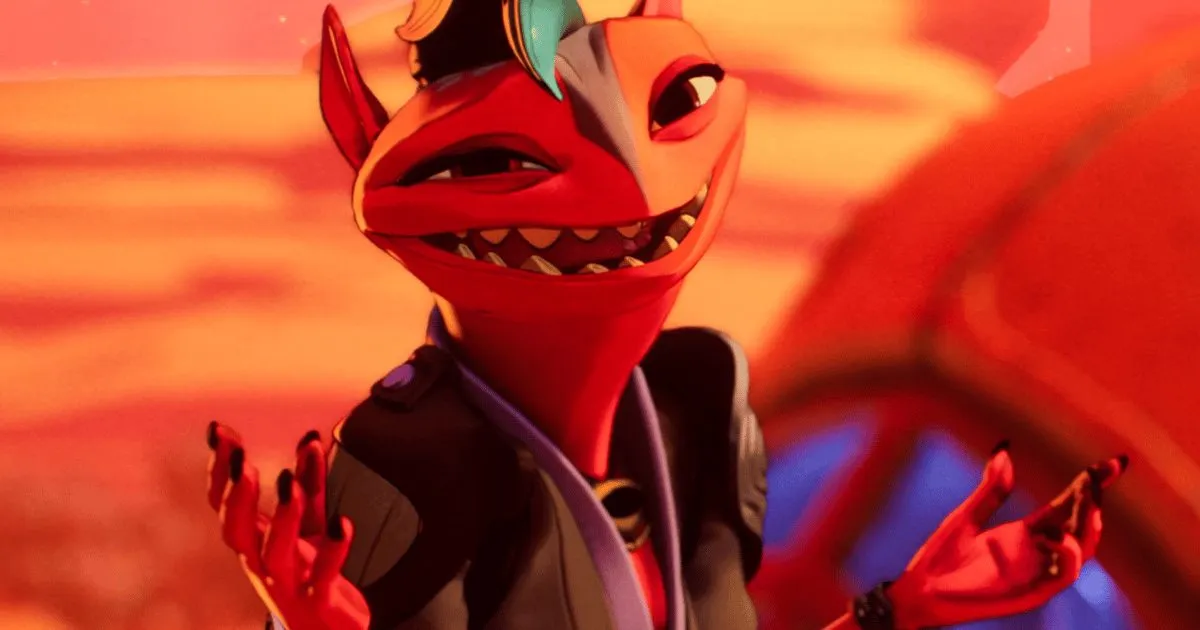
According to the announcement, the fund has already invested in 15 titles, with several projects already publicly known. That detail alone makes the initiative feel much more concrete. This is not some vague “coming soon” plan with ambitions on paper. There are already games in the pipeline receiving support, and that early activity shows Griffin wants to move aggressively.
For indie developers, the biggest takeaway may be flexibility. The games industry has no shortage of cautionary tales about deals that looked helpful up front but became painful later. Between harsh recoup structures, loss of control, or publisher arrangements that heavily favor one side, many developers have learned to be skeptical. That is why the messaging around transparency and fairness will be closely watched here.
And honestly, it should be. The words “better funding” always sound great in a press release, but what matters is what those contracts actually look like when a studio sits down to sign. If the terms are genuinely developer-friendly, this fund could carve out a meaningful place in the market. If not, it risks becoming just another option in a crowded and often confusing financial ecosystem.
Still, there are reasons to be optimistic. Bender has previously spoken critically about publisher recoup terms that leave developers waiting far too long to see meaningful returns from their own work. That perspective lines up nicely with the pitch behind this fund. If leadership really believes the current system needs improvement, there is a chance this initiative could reflect that in a practical way.
This also speaks to a larger trend in the market. Indie games are no longer treated like a side category or a niche curiosity. They are one of the most dynamic parts of the industry. Some of the most inventive mechanics, strongest storytelling, and most passionate communities in gaming come from smaller teams willing to take risks. Players have shown over and over that they are happy to support these games when the ideas are fresh and the execution is strong.
That rising value makes indie development a compelling target for specialized investment. Big publishers still dominate the largest releases, of course, but smaller games continue to claim more cultural and commercial space. Whether it is a roguelike that explodes on streaming platforms, a city builder that quietly builds a dedicated fanbase, or a co-op survival game that takes over friend groups for months, the indie lane is packed with opportunity.
A $100 million fund does not magically solve every problem facing developers. Teams still need good production planning, strong marketing, smart platform strategy, and a game that actually connects with players. But access to better funding can remove one of the most brutal barriers in the process. It can give studios more breathing room, more development runway, and more chances to polish a game instead of rushing it out under financial pressure.
For players, this kind of move could be good news too. More sustainable financing can mean more unusual ideas get a real shot. It can mean projects that would otherwise stall out get finished. And it can mean developers are able to stay independent without sacrificing the quality or ambition of what they are building.
The real test will come over time. We will need to see what kinds of games emerge from the fund, how the supported studios talk about the experience, and whether the structure truly benefits creators in practice. But as a headline, this is one of the more promising business developments indie gaming has seen in a while.
If Griffin and Tim Bender can deliver on the promise of fairer, more flexible financing, this fund could end up being more than just a big number. It could become a genuinely important tool for the next wave of indie hits.