Embracer Splits Into Two: Tomb Raider & Metro Join Fellowship Entertainment
Embracer Group is heading for another major shake-up, this time with a full split into two publicly listed companies and the creation of Fellowship Entertainment, a new standalone segment that will take control of major franchises like Tomb Raider, Metro, Darksiders, and The Lord of the Rings. For players, this is more than just boardroom news: it could shape how some of gaming’s biggest IPs are developed, published, and expanded over the next several years.
Embracer has spent the last few years becoming one of the most talked-about names in gaming business, and not always for the right reasons. Between aggressive acquisitions, restructuring efforts, studio closures, and waves of layoffs, the company has built a reputation for moving fast and then having to reorganize even faster. This latest split feels like the biggest sign yet that the company is trying to redraw the map after its previous strategy became too sprawling to manage cleanly.
The centerpiece of the announcement is Fellowship Entertainment, a new company being positioned as an IP-focused entertainment business. That wording matters. This is not just about making games. It is about owning recognizable franchises, building long-term publishing plans around them, and potentially turning them into broader entertainment brands through licensing and cross-media opportunities.
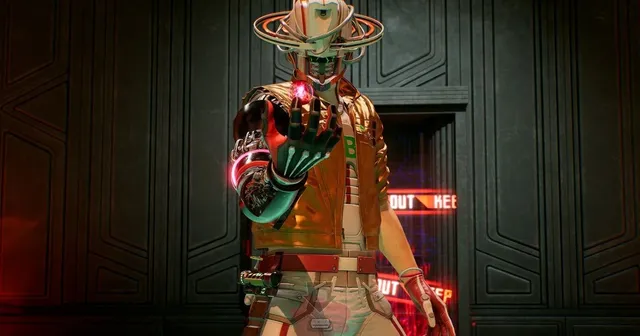
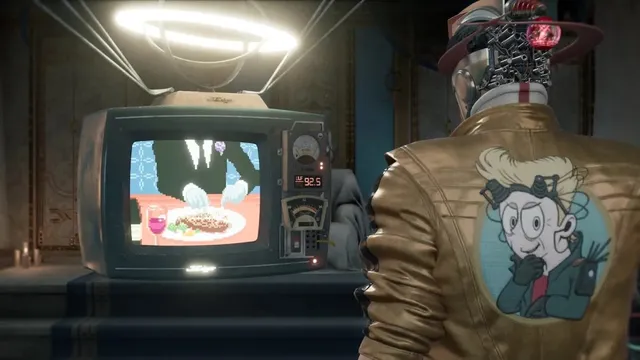
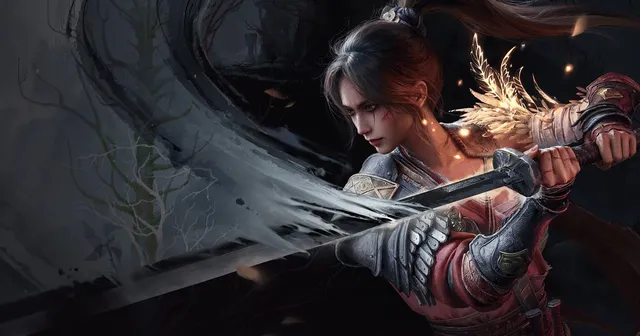
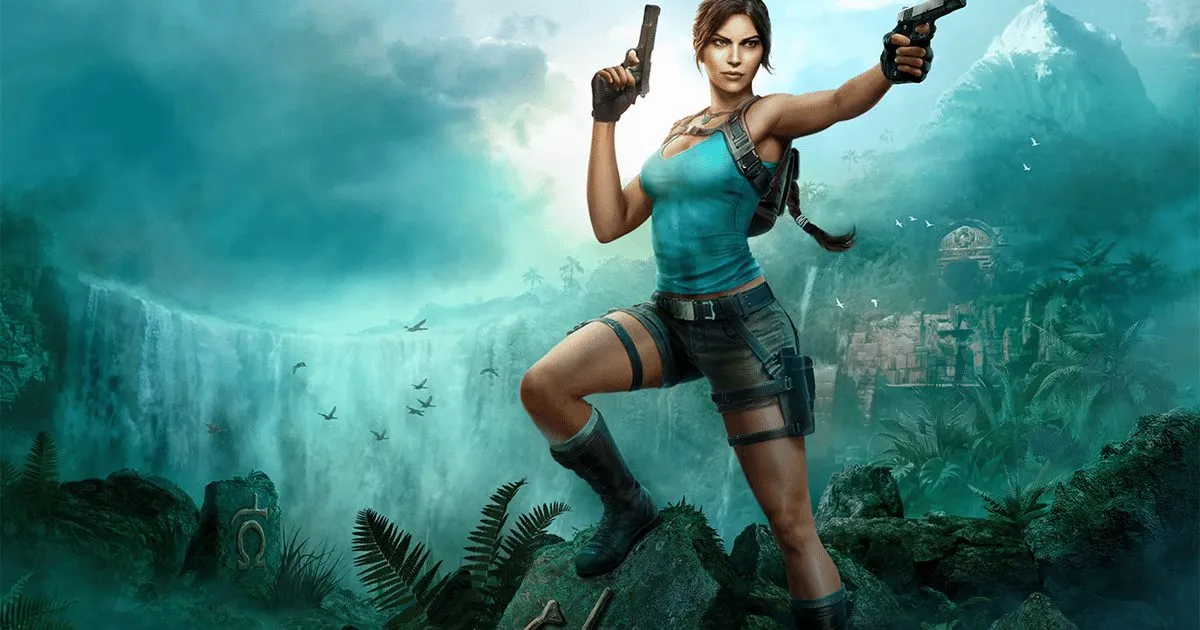
That means Fellowship will not just inherit some random collection of studios. It is getting some of Embracer’s most recognizable and commercially valuable names. Tomb Raider is obviously the headline grabber here, but Metro, Kingdom Come: Deliverance, Remnant, Dead Island, Darksiders, and major Middle-earth rights also give the new company a portfolio that feels far more blockbuster-ready than a lot of typical holding-company reshuffles.
The studio lineup is equally notable. Crystal Dynamics, Eidos-Montréal, 4A Games, Warhorse Studios, Gunfire Games, Dambuster Studios, Flying Wild Hog, and others give Fellowship a mix of AAA pedigree, action game expertise, and established fan-favorite developers. On paper, that is a very strong roster. It also suggests Fellowship is being built to operate with a clearer identity than Embracer’s broader and often messy umbrella structure.
For gamers, the biggest question is simple: what does this actually mean for the games? In theory, a more focused company could be a very good thing. If Fellowship is built around major IP and given a cleaner management structure, then teams working on series like Tomb Raider or Metro may have a more direct path to resources, leadership support, and long-term planning. It is easier to imagine a coherent release strategy when a company is centered around a tight set of premium brands instead of trying to juggle dozens of wildly different businesses at once.
Embracer has already said Fellowship is aiming to build a multi-year pipeline with at least two major game releases starting in fiscal year 2027/28. That signals ambition, but it also signals patience. Fans waiting for updates on some of these franchises may need to buckle in, because this sounds like a long-game strategy rather than a rapid-fire content machine. The upside is that slower, better-planned releases are usually preferable to rushed projects pushed out to satisfy short-term investor pressure.
Another important piece of the move is publishing. Fellowship will create a new publishing group that includes staff from Plaion, which adds another layer to how the company might operate. If done well, that could mean tighter coordination between development and publishing, better marketing alignment, and stronger support for launches. In a crowded market, those things matter just as much as the quality of the game itself.
Meanwhile, the remaining Embracer business is not disappearing. It will continue on with a broad mix of companies and properties including THQ Nordic, Limited Run Games, Tripwire, Aspyr, Milestone, and Vertigo Games, along with franchises like Destroy All Humans!, Gothic, Killing Floor, Titan Quest, and Wreckfest. The post-split Embracer seems to be positioning itself as a more opportunistic business, one focused on niches like mobile, distribution, retro, remasters, and selective acquisitions.
That split in identity is probably the clearest sign of what this restructuring is really about. Fellowship looks like the premium franchise machine. Embracer looks like the flexible portfolio player. Instead of trying to force both strategies into one giant company, the group is dividing them into separate businesses with different priorities.
There is also a leadership angle worth watching. Phil Rogers, currently Embracer Group CEO, will remain in charge until the spin-off is completed and then move over to lead Fellowship Entertainment. That creates some continuity for the new company, but it also means the remaining Embracer business will need a new CEO to define its next chapter. Leadership transitions like this can have a huge effect on company culture and investment priorities, especially during restructures.
Of course, skepticism is fair. Embracer has made plenty of big promises before, and gamers have seen firsthand how corporate plans can fall apart when acquisition sprees collide with financial reality. A cleaner structure sounds great in a press release, but the real test will be whether it leads to healthier studios, more stable development cycles, and better games. Players do not care much about corporate diagrams if the result is delays, cancellations, or more instability behind the scenes.
Still, there is a reason this announcement stands out. Tomb Raider, Metro, Kingdom Come, and The Lord of the Rings are not minor assets. They are major pillars that could define Fellowship from day one. If the new company manages them carefully, this spin-off could end up being more than a financial maneuver. It could be the moment these franchises get the focused backing they need to thrive.
For now, the split feels like a high-stakes reset button. Fellowship Entertainment has the brands, the studios, and the potential to become one of the most interesting publishing groups in the industry. Whether it becomes a stable home for beloved franchises or just another chapter in Embracer’s chaotic corporate saga is the question everyone will be watching.