IWGB Protests BARB Over Expenses-Paid Fan Playtest After Mass Layoffs
The latest clash surrounding Build a Rocket Boy has added another tense chapter to an already troubled story, with the IWGB union protesting an expenses-paid fan playtest held after major layoffs at the studio. In short, the union argues that the event sent a terrible message to former staff, especially in the wake of hundreds of job losses, while critics see it as a symbol of wider problems around leadership, priorities, and how game workers are treated during industry turmoil.
Another Flashpoint in a Turbulent Studio Story
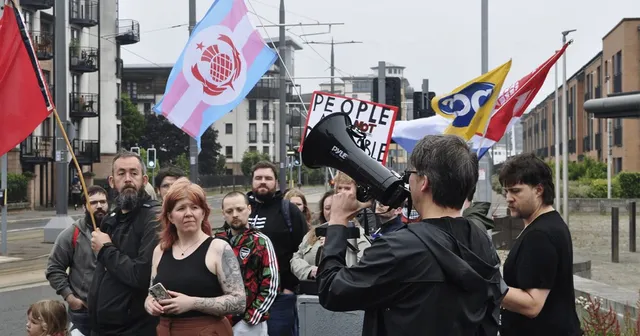
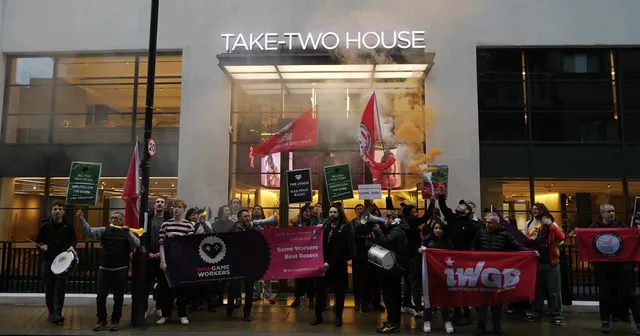
The games industry has never been short on controversy, but every now and then a situation emerges that feels especially raw. That is very much the case here. The IWGB, alongside former employees, staged a protest outside Build a Rocket Boy’s offices in Scotland, criticizing the studio over a fan playtest event that reportedly covered attendees’ travel expenses.
On paper, a fan playtest does not sound unusual. Studios rely on feedback all the time, and bringing in community members can be a good way to gather impressions from passionate players. Under normal circumstances, this might even be seen as a smart bit of outreach. The issue, according to the union and former workers, is the timing and the optics.
When a company has already gone through mass layoffs, any spending decision becomes loaded. A community-focused event that might otherwise feel celebratory can suddenly look disconnected from the reality faced by the people who recently lost their jobs. That is the heart of the criticism here.
Why the Protest Hit So Hard
The union’s argument is straightforward: hosting an expenses-paid fan event after cutting large portions of staff feels deeply insensitive. Former employees and union representatives have framed the move not just as poor judgment, but as something that undermines trust even further.
That criticism becomes sharper when the roles affected by layoffs are considered. If community-facing or support-oriented staff have been let go, then bringing in fans for organized testing and engagement can appear to some like replacing paid labor, or at least sidelining the very workers who once handled those responsibilities. Even if that is not the company’s intent, perception matters, and in this case the perception has clearly been brutal.
For laid-off staff, the emotional side of this should not be underestimated. Losing a job in games is not just about income. It is often tied to years of crunch, loyalty, and belief in a project. Seeing money spent on travel and event logistics while former employees are still processing redundancies is the kind of thing that can fuel anger fast.
The Bigger Problem: Trust Is Already Gone
This protest did not happen in a vacuum. Build a Rocket Boy has already been surrounded by reports of layoffs, internal tension, and dramatic allegations about sabotage. That means every new controversy lands in a much harsher environment than it otherwise would.
Once a studio’s reputation starts to slide, even ordinary business decisions can take on a different meaning. Fans, workers, and industry observers begin reading everything through the lens of dysfunction. A playtest is no longer just a playtest. It becomes a statement about priorities. It becomes a symbol. It becomes another reason for people to ask what exactly is going on behind the scenes.
That is what makes this situation so damaging. It is not only about one event. It is about an ongoing collapse of confidence in leadership.
Layoffs and the Human Cost Behind the Headlines
The games industry has seen wave after wave of layoffs over the past few years, and one of the most frustrating patterns is how quickly the human side can get buried under corporate language. “Restructuring” and “realignment” might sound tidy in a press statement, but for workers it means stress, uncertainty, and often a scramble to stay in an industry that is becoming harder to survive in.
That is why labor groups like the IWGB have become increasingly visible in gaming conversations. They are not just speaking to a single dispute. They are tapping into a much wider frustration among developers, QA workers, community teams, support staff, and contractors who feel disposable the moment things go wrong.
In that context, this protest is bigger than Build a Rocket Boy alone. It speaks to a growing demand for accountability in how studios treat the people who actually make games happen.
Fan Playtests Aren’t the Villain, But Context Matters
It is worth saying clearly: fan playtests themselves are not inherently bad. They can be useful, exciting, and genuinely valuable for both developers and players. Lots of studios run them. Plenty of communities enjoy feeling involved in development.
But context changes everything.
A fan event held during a stable period might be celebrated as a cool opportunity. A fan event held after hundreds of layoffs can feel wildly tone-deaf. That does not automatically mean the event was designed with bad intentions, but it does mean leadership should have understood how it would be received.
This is one of those moments where public relations and workplace ethics overlap hard. Even if the company believed the playtest would help the game, that practical benefit is now overshadowed by the backlash.
What This Means for BARB Going Forward
For Build a Rocket Boy, the challenge now is not just putting out one fire. It is rebuilding credibility in an environment where workers, former staff, and outside observers are already skeptical. That is a much tougher task than simply defending a single decision.
Studios can recover from difficult launches. They can recover from layoffs, at least in a business sense. What is much harder to recover from is the sense that leadership has become detached from the people affected by its choices. Once that narrative takes hold, every future action gets judged through it.
If BARB wants to steady the ship, it will need more than silence or vague reassurance. It will need clarity, empathy, and a convincing sense that workers are being taken seriously.
A Story the Industry Should Pay Attention To
Even beyond this specific studio, this controversy feels like a warning sign for the wider industry. Players often see only trailers, launch dates, and social media posts. But underneath all that are workplaces filled with people dealing with insecurity, pressure, and increasingly public labor disputes.
The protest outside BARB’s offices is a reminder that gaming is not just about products. It is also about labor, management, and the values companies show when things get messy. And right now, that part of the conversation is getting louder.
For anyone following the modern games business, this is not just another bit of drama. It is a case study in how quickly trust can unravel when layoffs, leadership decisions, and community-facing events collide.