Game Workers Protest Build A Rocket Boy Over Misconduct Claims
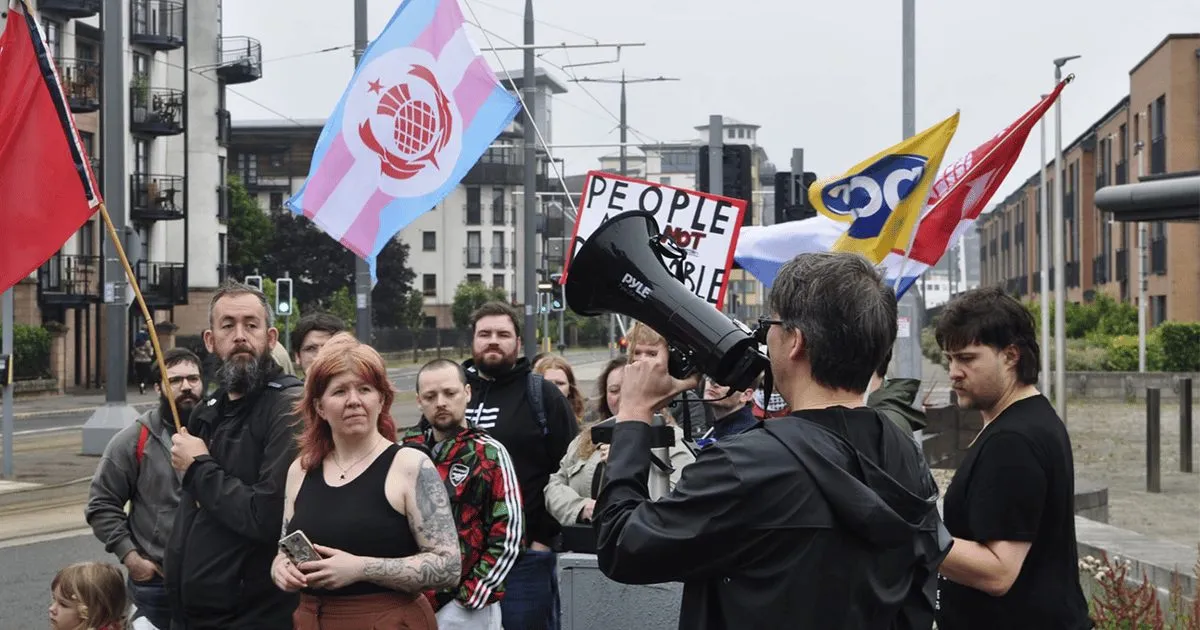
Game workers and union supporters gathered in Edinburgh to protest Build A Rocket Boy over allegations tied to workplace misconduct, layoffs, and employee surveillance, turning a studio controversy into a wider conversation about labor rights in the games industry. The rally reflects growing frustration among developers who say mismanagement and harsh workplace practices are no longer isolated problems, but part of a bigger pattern that workers are increasingly willing to challenge in public.
The latest dispute around Build A Rocket Boy, often shortened to BARB, has quickly become one of the most talked about labor stories in gaming. What might have once stayed behind studio walls is now very much out in the open, with workers, former employees, and union organizers putting the spotlight on how staff were allegedly treated.
At the center of the protest are claims involving surveillance software, data privacy concerns, and the studio's handling of layoffs. According to union representatives, legal action has been taken over allegations that software installed on work devices crossed serious lines. For many people outside the industry, that might sound like a technical policy issue. For developers, it hits somewhere much more personal. Work devices are where teams spend long days building worlds, solving bugs, and hitting milestones. The idea that those tools may also have been used in ways workers found invasive has understandably fueled anger.
The layoffs are another major flashpoint. Build A Rocket Boy has reportedly gone through multiple rounds of cuts, with a large number of workers affected over the past year. In an industry where project instability is already common, repeated layoffs can destroy morale fast. Developers often accept that game production is messy, deadlines shift, and launches can disappoint, but they expect leadership to be transparent and accountable when things go wrong. That expectation appears to be a key reason this situation has resonated so strongly.
What made this particular moment even more combustible was the timing of a reported fan playtest event. Union voices criticized the event as extravagant and poorly judged, especially in the context of recent redundancies. To laid off workers and their supporters, bringing in players for a high-profile play session while former staff were still dealing with the fallout of job losses sent a terrible message. Whether viewed as a marketing effort or a production step, the optics were rough. In the eyes of critics, it looked less like community engagement and more like leadership trying to move on without properly addressing the people left behind.
That tension is why this story has spread beyond one studio. In gaming, workers have heard variations of this story before: ambitious leadership, unstable production, layoffs after launch, and staff paying the price for decisions they did not make. The names and details change, but the pattern feels familiar. That is also why union activity in games continues to gain visibility. More developers are realizing that individual frustration rarely changes anything, but collective action can at least force a response.
The protest in Edinburgh was not just about one legal complaint or one bad week for one company. It was a statement that workers want dignity, clarity, and a real say in the conditions shaping their jobs. For years, the games industry has sold itself on passion. People join because they love games, they want to create unforgettable experiences, and they are willing to put serious energy into making that happen. But passion is not a substitute for stability. It does not pay rent after a layoff, and it does not make invasive workplace practices easier to accept.
There is also a broader reputational issue here. Scotland has built a strong identity in game development, and studios in the region benefit from that prestige. When a high-profile company becomes associated with allegations of poor leadership and worker mistreatment, it does not just affect one office. It raises concerns about what kind of culture is being tolerated, and what protections workers actually have when things go sideways.
For players, this can be an uncomfortable story to follow. Fans usually want to talk about mechanics, trailers, updates, and what a game might become after a rocky launch. But the reality is that games are made by people, and labor conditions matter. If a studio is shedding staff, fighting legal disputes, and facing public protests, that shapes the future of its projects just as much as any patch roadmap. The health of a game and the health of the team behind it are deeply connected.
The Build A Rocket Boy protest also highlights a change in tone across the industry. Workers are becoming more public, more organized, and less willing to let leadership control the narrative. That does not mean every dispute will end in sweeping reforms, but it does mean companies can no longer assume these issues will fade quietly. Social media, unions, and public demonstrations have made it much harder to contain fallout when employees believe they have been treated unfairly.
In the end, this story is about more than one studio's crisis. It is about the clash between the dream of making games and the reality of working in a business that too often burns through the people doing the actual building. The Edinburgh rally sends a clear message: developers are done being treated as disposable, and they are increasingly ready to fight for better conditions, both in the workplace and in public view.
For anyone watching the industry closely, that may be the biggest takeaway. This is not just another controversy cycle. It is another sign that labor issues in gaming are becoming impossible to ignore.