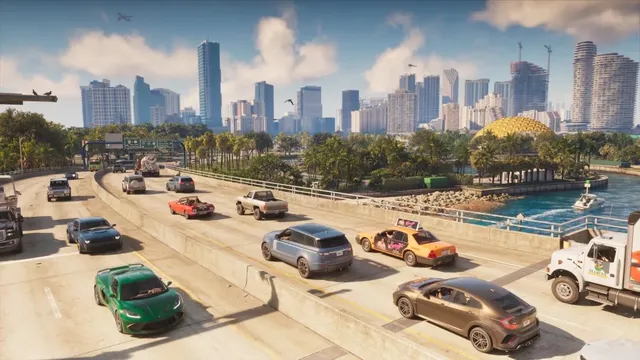
Rockstar Workers Accuse GTA Maker of Pay Inequity and Crunch Culture
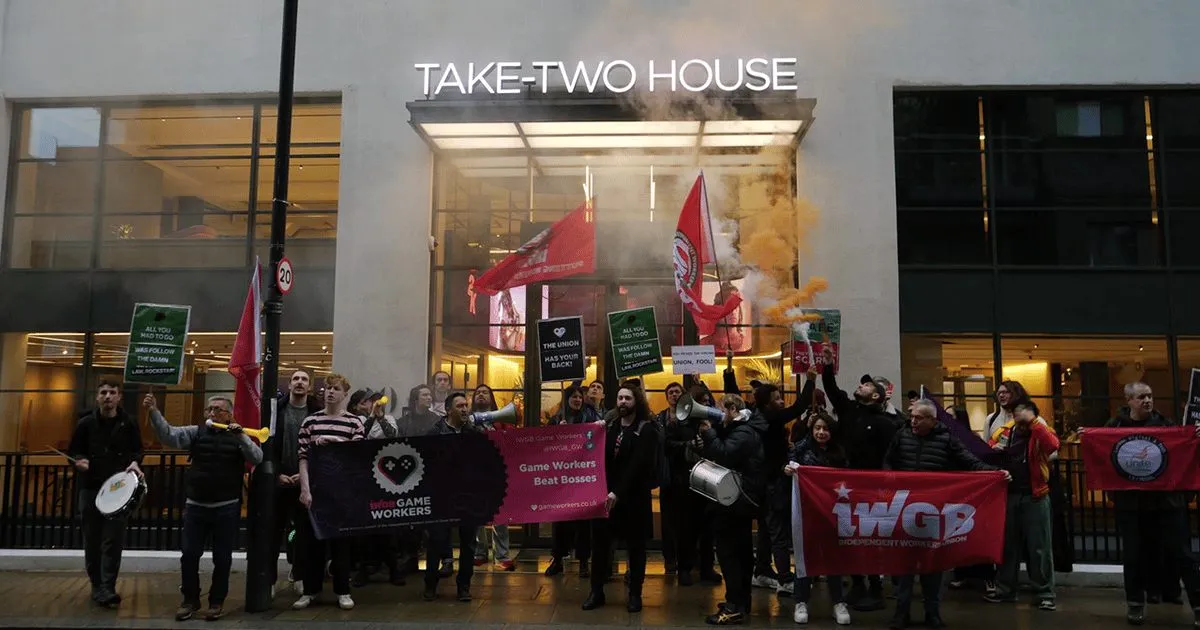
Reports from union-affiliated Rockstar employees in the UK paint a troubling picture behind one of gaming’s biggest upcoming releases, with allegations ranging from inconsistent bonuses and stalled promotions to gender-based pay gaps, normalized overtime, and reduced workplace flexibility. For players eagerly awaiting Grand Theft Auto VI, the story is a reminder that blockbuster games are not only defined by trailers and hype, but also by the working conditions of the teams building them.
Trouble Behind the Hype at Rockstar
Rockstar Games is one of the most recognizable names in the industry. The studio has built its reputation on massive open worlds, razor-sharp satire, and the kind of releases that become instant cultural events. With Grand Theft Auto VI looming as one of the most anticipated launches in entertainment, expectations are sky high. But while fans count down to release day, a very different conversation is taking place behind the scenes.
According to multiple current UK-based employees connected to the Rockstar Game Workers Union, the company is facing serious criticism from within. These workers say Rockstar has failed to address key concerns around compensation, fairness, overtime, and working conditions. While the allegations come from anonymous sources, the overall message is consistent: some workers feel the studio’s internal culture has not evolved enough to match the scale and success of the games it produces.
Pay, Bonuses, and Uncertainty
One of the biggest issues raised is compensation. Workers claim a meaningful chunk of annual pay is tied to bonuses that can vary widely from year to year. In theory, performance bonuses can be a strong incentive. In practice, employees argue that the system lacks transparency and leaves too much room for inconsistency.
That kind of setup can create a lot of stress. If a sizable portion of your expected income depends on decisions that feel unclear or subjective, it becomes difficult to plan your life around your salary. Employees reportedly believe that the process for determining bonuses can differ between departments and even between individuals on the same team.
There are also complaints about promotions being hard to secure, with expectations shifting over time. For workers trying to build long-term careers, that kind of uncertainty can be just as damaging as low pay. A studio can talk about opportunity all day, but if advancement feels vague or inconsistent, morale is going to take a hit.
Concerns Around Pay Equity
Another major issue is the alleged widening of gender-based pay disparities. That is an especially serious accusation in an industry that has spent years publicly talking about inclusion, equity, and building healthier workplaces.
If workers believe pay gaps are growing instead of shrinking, trust in leadership can erode quickly. It becomes even more concerning when paired with claims that initiatives meant to address those imbalances have been abandoned. For a studio of Rockstar’s size and influence, employees clearly expect stronger accountability on this front.
There are also reported concerns that nightshift workers are no longer receiving additional benefits to offset the demands of unsociable hours. Even outside the broader equity conversation, that feeds into a larger feeling that some teams are carrying a heavier burden without fair recognition.
Crunch Still Looms Over the Industry
Perhaps the most familiar issue here is crunch. For years, crunch has been one of the gaming industry’s most criticized practices. Long hours, intense deadlines, and sustained overtime have become part of too many development stories, especially around giant AAA productions.
What makes these latest claims stand out is the suggestion that overtime pressure is not just an occasional emergency measure, but something that workers feel has been normalized at a contractual level. That is a big accusation, and it speaks to a broader fear among developers: that crunch is often repackaged rather than eliminated.
Some teams reportedly avoid it altogether, while others seem stuck in near-constant overtime cycles. That uneven experience is worth noting. It suggests Rockstar may not be one single workplace story, but rather a collection of very different departmental realities. For some employees, things may feel manageable. For others, the pressure may be relentless.
That kind of divide can make reform harder. If one part of the studio rarely crunches, there may be less urgency internally to confront what another department is going through.
Remote Work and Work-Life Balance
Another point of tension is remote and flexible work. During and after the pandemic, many developers adjusted to hybrid setups that improved work-life balance, especially for parents and carers. Employees now claim Rockstar stepped back from that flexibility after previously signaling that full-time office returns would not happen.
For workers, this is about more than convenience. Flexibility can directly affect burnout, family life, commuting stress, and overall job satisfaction. If leadership retains more freedom than rank-and-file staff, the optics get even worse. Fairness is not only about salaries. It is also about who gets choices, who absorbs disruption, and who is expected to adapt without much say.
Why This Matters Beyond Rockstar
This story is bigger than one studio. Rockstar is a symbol of AAA game development at its most ambitious and profitable. If workers at a company tied to one of the biggest entertainment products on the planet still feel underpaid, overworked, and unheard, it raises uncomfortable questions about how success is distributed across the industry.
It also highlights why union efforts continue to gain momentum in games. Workers increasingly seem willing to organize not just over dramatic layoffs or public scandals, but over everyday structural issues like pay transparency, career progression, and overtime protections. That shift matters. It suggests labor organizing in games is becoming less reactive and more proactive.
For fans, it can be tempting to separate the art from the labor behind it. But these stories matter because the people making games are not background details in the production pipeline. They are the reason these worlds exist in the first place.
The Road Ahead
Rockstar’s parent company has responded by emphasizing teamwork, competitive compensation, and a willingness to engage in dialogue. That is the expected corporate line, and on its own it does not resolve the concerns being raised.
What happens next will likely depend on whether workers can turn pressure into lasting change. Better transparency around bonuses, stronger protections against crunch, clearer promotion paths, and more credible action on pay equity would all be meaningful steps. So would good-faith discussions around union recognition.
For now, the contrast is striking. On one side, there is the immense excitement surrounding GTA VI. On the other, there are workers saying the road to that release has come with serious costs. In an industry built on spectacle, this is the kind of story that deserves just as much attention as the next trailer drop.