Indie Game by University Grads Recoups Costs in 22 Hours on Steam
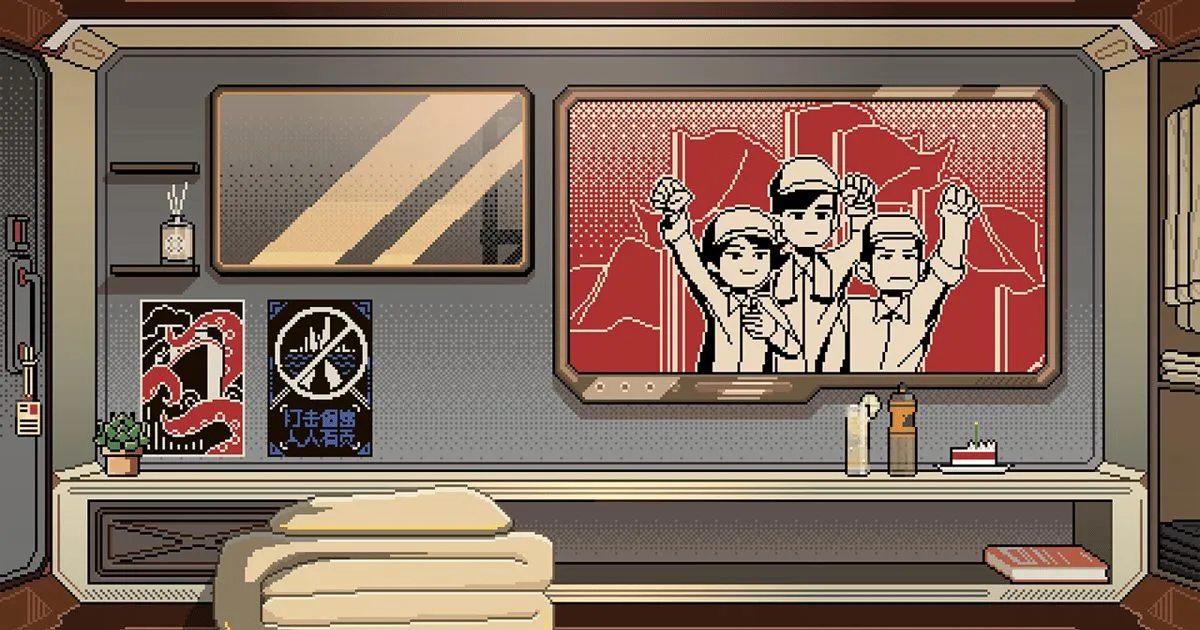
A newly launched indie game from a team fresh out of university has already become one of the most encouraging success stories on Steam this year, with its development costs reportedly recovered in just 22 hours. That kind of turnaround is rare in any corner of the industry, but it feels especially meaningful for small developers trying to break through in a crowded market. For players, it is another reminder that inventive concepts, smart scope, and a strong pre-release audience can still give indie games a real shot at standing out.
The game at the center of the story is Thank You For Your Application, a narrative-driven interview simulator created by IceLemonTea Studio. On paper, that premise already sounds unusual enough to grab attention. In practice, it is exactly the kind of offbeat, high-concept idea that tends to thrive in the indie space, where developers are often more willing to take risks and build around themes larger studios might ignore.
What makes this story even more interesting is who made it. IceLemonTea Studio is made up of developers who are fresh out of university, which gives the project an extra layer of charm and significance. Breaking into game development has never been easy, and recent years have only made that path feel more uncertain. Rising costs, layoffs across the broader industry, and the constant pressure to market a game effectively have turned every release into a huge test. For a young team to launch its first major title and reportedly recoup costs within a single day is the kind of headline that can inspire a lot of other aspiring creators.
The reported budget was in the five-figure range, covering development, localization, and marketing. That detail matters. It shows this was not simply a tiny hobby project thrown online at the last minute. There was a real plan behind it, with investment in visibility and accessibility, two areas that often make a huge difference for indie launches. A good game can still struggle if nobody hears about it, and a promising concept can lose momentum if it is not polished enough to leave a strong first impression.
According to comments shared around the launch, production began in early 2025. The game was initially expected sooner, but the release was pushed back so the team could spend more time polishing it. That decision may have paid off in a big way. Delays are often frustrating for players, especially in an era where release windows shift constantly, but for indie games in particular, extra polish can be the difference between getting overlooked and making a serious impact. When your game has one shot to capture attention on Steam, quality matters.
There is also a bigger lesson here about scope. The game’s fast cost recovery seems to support a point many indie advocates have been making for years: bigger budgets and longer timelines do not automatically produce better results. Some of the most memorable games in recent memory have been tightly focused, mechanically clear, and built around a distinctive identity rather than massive content checklists. A narrative interview simulator is never going to compete with giant blockbuster releases on scale, but it does not need to. Its strength is in concept, execution, and personality.
Steam likely played a huge role in this success as well. Before launch, the game had reportedly gathered more than 135,000 wishlists. That is a massive number for an indie title and a strong indicator that interest had been building for some time. Wishlists are not just vanity metrics. They are one of the clearest signs that a game has managed to cut through the noise and stay on players’ radar. For a small team, building that kind of momentum before release can make launch day dramatically more effective.
The pricing strategy probably helped too. Launching with an introductory discount is a familiar move on Steam, but it remains an effective one when paired with solid audience interest. A lower entry price can encourage fence-sitters to jump in early, especially when the game offers a fresh concept people have not seen a hundred times before. For a narrative-heavy indie experience, that first wave of players can be especially important because early word of mouth often becomes part of the game’s marketing.
What is exciting about this story is not just the financial milestone. It is what the milestone represents. It suggests there is still room in the current market for creative, unusual projects from first-time or early-career developers. It suggests audiences are still hungry for games that explore new scenarios and different kinds of emotional or social tension. And maybe most importantly, it shows that smaller teams do not always need giant budgets to make something that resonates.
The game is also reportedly set to expand beyond Steam later this year, with console and mobile versions planned. If that happens smoothly, this launch could end up being only the first step in a much larger success story. A strong PC debut gives the team momentum, confidence, and likely a much better foundation for whatever comes next.
For players who love following the indie scene, this is exactly the kind of story worth paying attention to. It is easy to get lost in headlines dominated by mega-budget releases, studio mergers, and industry shakeups. But sometimes the most exciting developments come from a small team with a clever idea, a clear vision, and enough determination to polish it until it shines.
Thank You For Your Application seems to be proving that even in a brutally competitive market, originality still matters. And for a team of recent graduates, recovering costs in 22 hours is not just a good launch result. It is a statement.