Meccha Chameleon Copycats Flood Steam, Roblox, and Fortnite
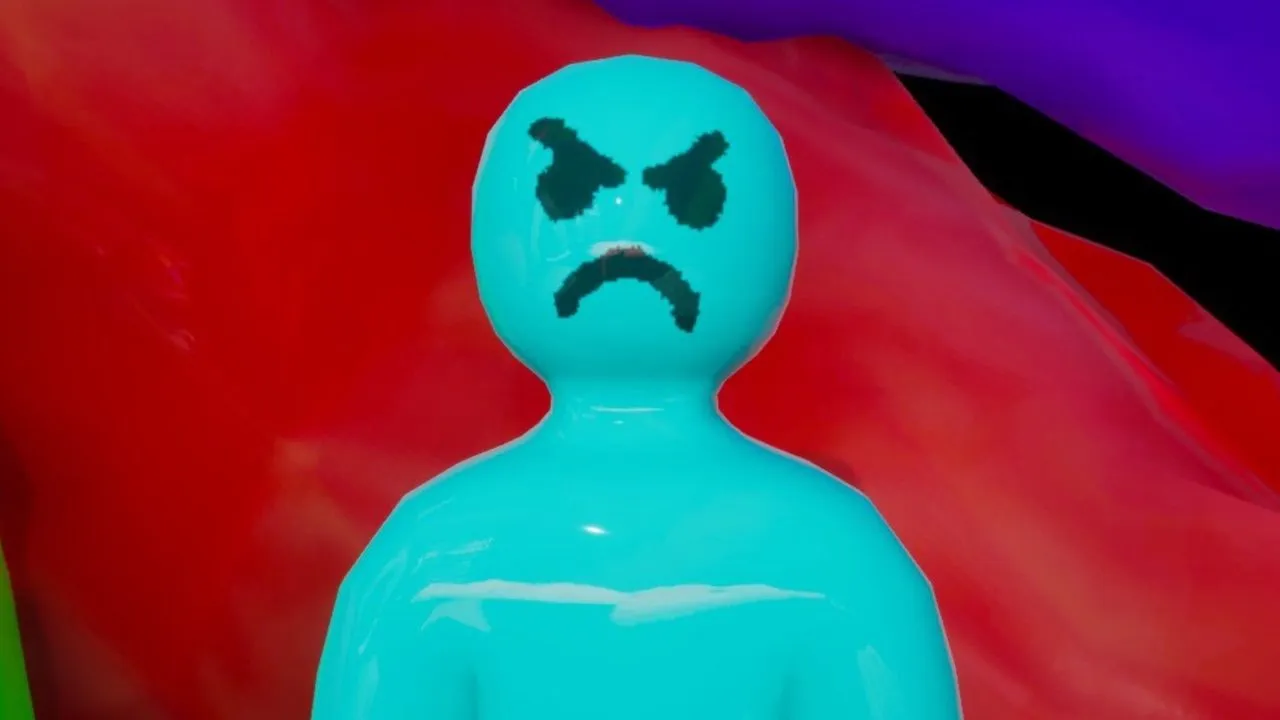
Meccha Chameleon is the latest indie success story to run into a frustrating modern problem: the moment a clever idea starts gaining traction, lookalikes and low-effort imitators begin appearing everywhere. From Steam to Roblox to Fortnite, copycat projects are popping up fast, borrowing the game’s paint-and-hide concept, visual style, and even bits of its interface, raising bigger questions about creativity, speed, and how hard it has become for original indie games to protect their spotlight.
Indie game fans have seen this pattern before, but that does not make it any less annoying when it happens again. Meccha Chameleon built attention with a simple but instantly appealing idea. Players disguise themselves by painting their character to match the environment, while hunters try to expose them. It is the kind of concept that is easy to understand, fun to watch, and perfect for social play. In other words, it is exactly the sort of game that can spread fast online.
That success has apparently attracted a crowd of imitators.
One of the most obvious examples making the rounds is a Steam game called Scribble Hunt. The pitch is close enough to raise eyebrows immediately. Its setup revolves around blending in through paint while hunters search for suspicious shapes and objects. That alone might sound like genre overlap, but the issue seems to go further than just broad inspiration. Reports from players point to a very similar gameplay loop, comparable visual presentation, and interface choices that feel far too familiar.
That is where these situations stop feeling like coincidence and start feeling lazy. Inspiration is part of game development. Entire genres are built on ideas evolving from one project to the next. But there is a major difference between taking influence from a clever mechanic and rushing out a near-clone that exists mainly to capture search traffic and curiosity.
What makes this even more striking is how quickly some of these copycats appeared. Meccha Chameleon has barely had time to enjoy its breakout moment, yet versions of its core idea are already spreading across multiple platforms. On Fortnite, there is a similar hide-and-seek experience using the same basic camouflage premise. Over on Roblox, where trend-chasing is practically its own metagame, several suspiciously familiar titles have surfaced with names built around painting, hiding, and surviving. Some of them sound almost parody-level in how direct they are, but the goal is obvious: ride the wave before players notice the difference.
And that difference matters.
The original game earned attention because it presented its idea with charm, polish, and timing. A great indie hit is not just one mechanic floating in a vacuum. It is the combination of art direction, controls, pacing, map design, and that hard-to-define spark that makes people want to keep playing. Copycats usually strip all of that down to the bare minimum. They reproduce the surface-level hook, but not the care that made it work in the first place.
For players, the result is a messier storefront experience. On Steam especially, where visibility is already a battle, copycat releases can make discovery harder. Someone hears about Meccha Chameleon from a friend, searches it up, and suddenly finds a pile of suspiciously similar games crowding the page. That confusion helps imitators and hurts the developers who actually took the creative risk.
This is not just a Meccha Chameleon problem either. It is becoming one of the defining headaches of modern indie success. The moment a game breaks through, there is a race to produce a cheaper, faster, lower-quality version on whatever platform will allow it. Sometimes the clone shows up on a different storefront. Sometimes it appears inside creator ecosystems like Roblox or Fortnite. Either way, the formula is the same: move fast, mimic the trend, and hope the audience clicks first and asks questions later.
That puts indie developers in a rough position. They need visibility, but visibility can also paint a target on their back. If their game catches fire, that momentum may bring an audience, but it can also summon opportunists looking to cash in. Smaller teams rarely have the time or resources to fight every imitation, especially when those imitators spread across multiple platforms with different moderation standards.
For the gaming community, this is one of those moments where being an informed player actually helps. Supporting original games early, talking about the real version, and being careful with impulse downloads can make a difference. A clone may look close enough in a trailer or storefront thumbnail, but quality usually tells the truth within minutes of actual play.
The bigger takeaway here is that good ideas are valuable, and the industry clearly knows it. Meccha Chameleon did not get copied because it was forgettable. It got copied because it stood out. That is both the compliment and the curse of indie success in 2026’s crowded gaming landscape.
So yes, the flood of Meccha Chameleon copycats is frustrating. It is another reminder that originality can get buried under noise almost as quickly as it gets discovered. But it is also proof that players still respond when a game brings something fresh to the table. The challenge now is making sure the original gets the credit, the attention, and the support it deserves while the knockoffs fade into the background where they belong.