Future? No Thanks! Dev Removes AI Voices and Offers Refunds After Backlash
Published today · view counts update daily
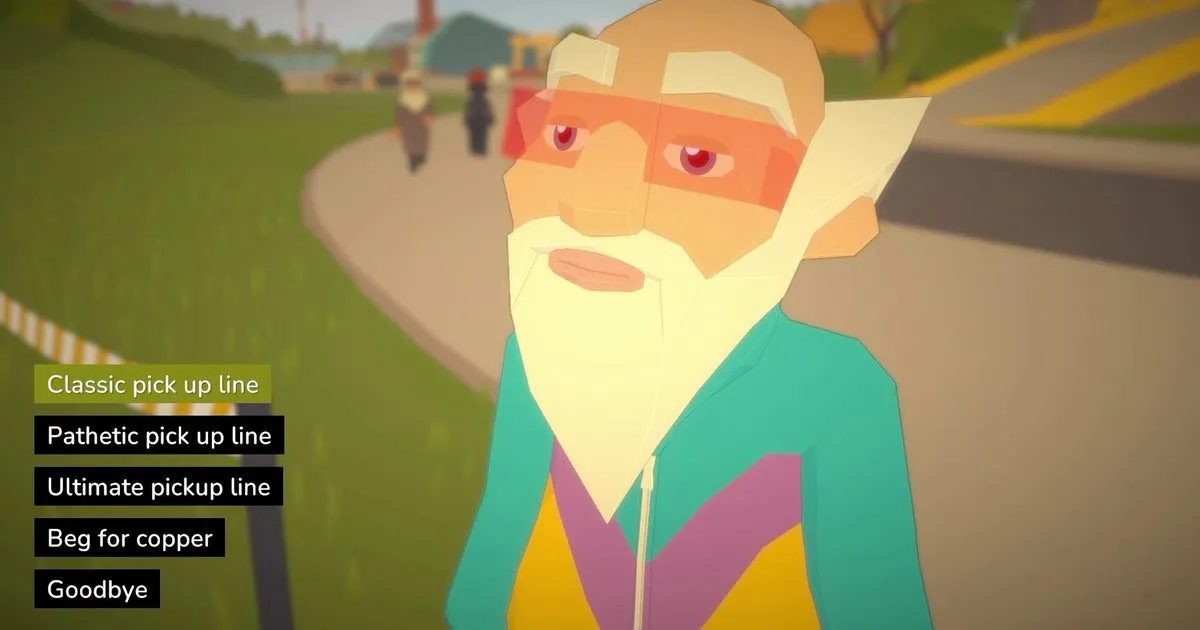
Open world ecosatire Future? No Thanks! has been updated to strip out its AI-generated voices, days after lead developer Paolo "Molleindustria" Pedercini disclosed that he had used the technology. He is also offering refunds over PayPal or Venmo to anyone who "still feel[s] betrayed," and says his next game will be "completely hand-coded."
The update removes two instances of text-to-speech voicework for in-game robot characters: an automated toilet and an automated translator in a hair salon. In his earlier disclosure, Pedercini wrote that he used generative AI for these characters as a spoof of generative AI. He pulled them after angry reactions on social media and some press coverage.
"The voices were recorded earlier this year but I decided to not use them because I thought the actual uncanny text-to-speech was funnier in that context," Pedercini writes in a new blog post. "Alas, the new generation of text-to-speech counts as user-facing AI-generated content and that keeps creating all sorts of annoyances and bad optics."
He still thinks the voices belonged in the game. "In my opinion the game is worse now, but only, like, 0.001% worse," he says. The patch also adjusts the economy so that "various gigs give you a bit more money, possibly preventing some situations of soft-locking players from achieving all the quests."
A bitter personal update
The post includes a personal section in which Pedercini reflects on the backlash. He says someone on Bluesky "dragged" him over a disclosure he "foolishly thought a minor use of generative-AI," and that he had given versions of the same statement to festivals and events before. His argument is that Steam does not require disclosure for things like code assistance, "so many people assume their favorite indie games don't use AI at all just because the developers stay mum."
That matches Valve's policy: Steam's rules were updated in January to allow "efficiency" tools such as coding assistants. It is reasonable to suspect that many Steam developers use generative AI without saying so, though that is an inference from anecdotes and conversations with other developers rather than any statistical survey.
Pedercini says he wanted a page to point to that explains the game is not a "vibecoded slop game," but that he did ask ChatGPT to fix a broken shader "and a few things like that." He also admits that his original post included a paragraph that "sounded like I was trying to exculpate myself by poo-pooing on all the colleagues that advocate for an AI-free life." That paragraph was deleted after publication, but not before it was screengrabbed and shared.
"Look, it was not a good post," he concedes. "Defeatist, hastily written. I thought nobody would read it. Anyway, slow news day, everybody fucking hates AI, the whole scene piled on."
He goes on to caricature his critics ("Am I satirizing the puppy killing machine by KILLING PUPPIES?") and compares the anger he received to being harassed by Adam Baldwin's followers at the height of the Gamergate hate campaign.
A list of AI-free developers
Pedercini closes by pointing readers to a list of developers who have sworn off generative AI. "Big props to them," he writes. "Give them a follow. SteamFest is drowning in actual slop, help them stand out."
He also offers a warning about industry practice: "And I hate to break it to you, but you should probably assume that all the studios that have not made a public statement against all generative AI are using it for coding in some capacity. I'm guessing this episode isn't going to encourage more voluntary disclosures."
For anyone who bought Future? No Thanks! and feels differently about it now, the refund offer stands through PayPal or Venmo. The robot toilet and the hair salon translator, meanwhile, are no longer talking.