E.T. Atari Creator Warns AI Slop Could Spark Another Video Game Crash
Published today · view counts update daily
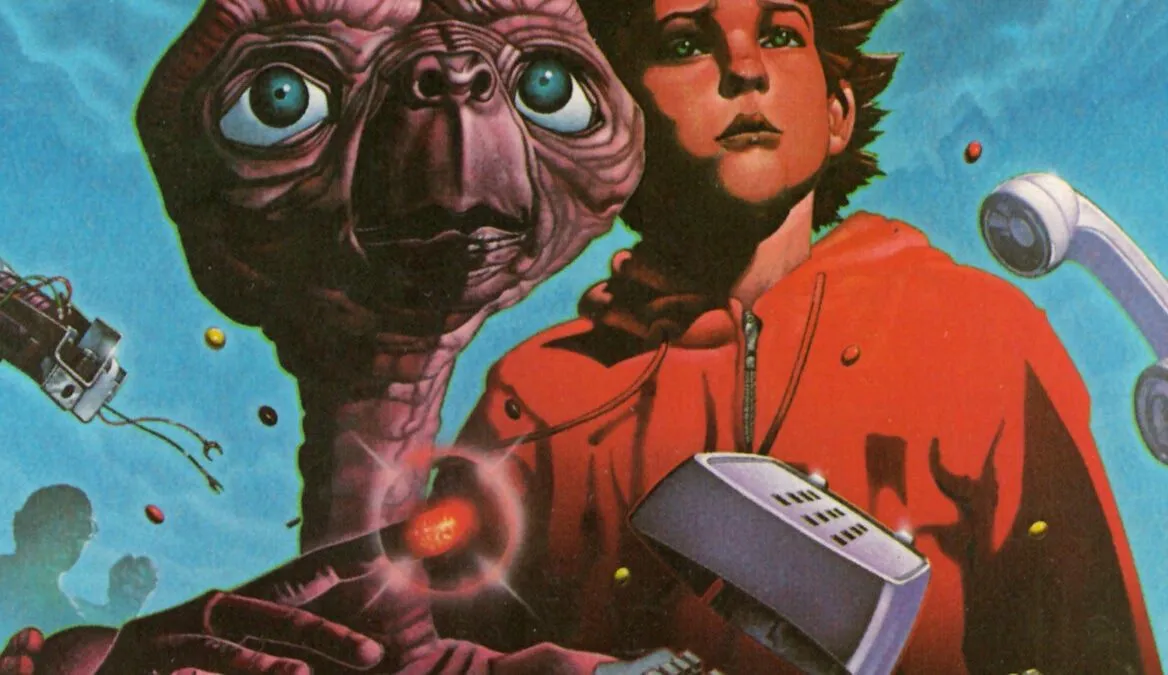
Howard Scott Warshaw, the programmer behind the infamous Atari 2600 adaptation of E.T. the Extra-Terrestrial, says a flood of AI-made games could trigger a repeat of the 1983 video game crash. Speaking at the DevGAMM conference in Lisbon, he compared today's AI-generated shovelware to the glut of low-quality titles that clogged store shelves four decades ago, and called for better filtering on digital storefronts.
Historians still argue about what actually caused the crash, but popular memory has always pinned it on one cartridge. Atari's E.T. tie-in, based on Steven Spielberg's blockbuster, flopped, and the industry collapsed soon afterward. Warshaw, who already had hits like Yars' Revenge to his name, was given only a few weeks to finish the game in time for the holiday season. The result was confusing to play, and so many copies went unsold that the legend of them being buried in a New Mexico landfill took hold. That legend turned out to be true.
A glut of junk, then and now
Warshaw argues the lesson of that era is about volume. "They said the problem that happened in the crash, and I think that was true, was there was a glut of crap on the market, because the machine opened up and anybody could just pop a game out, and they did," he said on stage. In his view, AI will have "the same impact on a larger scale," because far more people can now make a game than ever could before.
The early '80s market had plenty of consoles, plenty of software, and plenty of confused parents. As quality got spread thinner, consumer patience ran out. Warshaw says critics through the late '70s and early '80s were already eager to dismiss games as a fad, and many of his peers feared the crash proved them right by scaring investors away.
Nintendo took notes from that collapse. The NES was designed around avoiding another crash, with a simplified, VCR-like design and cartridges, plus strict quality control over third-party developers.
Not anti-AI, but wary of the filter problem
Warshaw is not a hardliner against the technology. He says it can speed up coding enormously, but that speed brings sloppiness. "There's some things in life that everybody can see themselves doing, and the truth is most people who do it can't do it very well," he said. "What AI is going to do is make that more possible for people who can't do it to do it."
His proposed fix is on the curation side: "We need better filters to figure out a way to get rid of the garbage games and not waste time with that, and to highlight what are really innovative and exciting things."
Digital storefronts are already feeling the pressure. Steam traditionally lets the market decide what rises to its front page, but its feed has become cluttered with hastily made AI releases. itch.io has taken a more direct route and deleted more than a terabyte of machine-made content. These AI-generated games reportedly sell far worse than human-made ones, which means a storefront hosting them in bulk gets little revenue in return while legitimate games get buried. Discoverability has long been a problem on these platforms, and an unchecked pile of unsellable filler could turn it into a financial one.
Warshaw hopes the trend will push developers back toward design, directing creative attention to the things AI cannot produce on its own. Many working developers would point out that platforms rarely reward that kind of craft. If today's flood is a stress test for what comes next, storefront holders will need to rethink how they curate, or risk their own version of the Alamogordo landfill.