Mixtape Has No Streamer Mode Because Its Soundtrack Is Essential
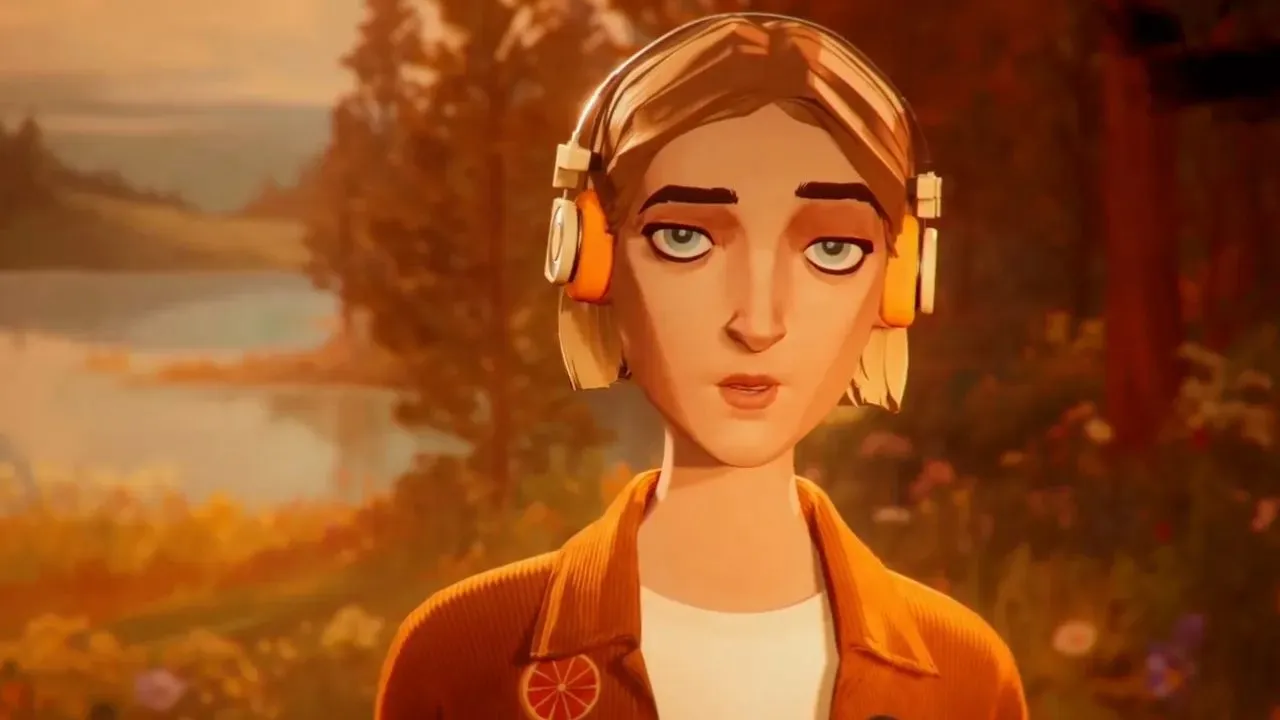
Mixtape is making waves for a bold decision that feels almost rebellious in today’s creator-driven gaming landscape: it has no streamer mode, and that choice goes straight to the heart of what the game is trying to be. Rather than swap licensed tracks for safer alternatives, developer Beethoven & Dinosaur has committed fully to a soundtrack-driven experience where the music is inseparable from the characters, the tone, and the emotional rhythm of the story. It may limit streams and monetized VODs, but it also protects the soul of a game that clearly sees music as more than background noise.
In an era where many games launch with streamer-friendly options baked in from day one, Mixtape is taking the opposite route. For plenty of players, that will immediately raise questions. Why make a game harder to stream when Twitch clips, YouTube videos, and social media moments are such a huge part of how modern games spread? It is a fair question, and in most cases, developers do what they can to accommodate both players and content creators.
But Mixtape is not most games.
According to Beethoven & Dinosaur, the licensed soundtrack is not just a cool feature or a stylish extra. It is the foundation of the experience. The game is built around specific songs, specific moods, and specific feelings. The dialogue references the music. The pacing of scenes is shaped by it. The chapters are designed with those tracks in mind. That means replacing the songs with generic substitutes would not just be a technical compromise. It would fundamentally alter the game itself.
That is a big statement, but it is one that feels completely in line with what Mixtape appears to be aiming for. Some games use music to heighten a moment. Mixtape seems to use music to define the moment. There is a huge difference between a soundtrack that supports a scene and one that is the scene. When a developer says the game is about how certain songs make you feel, that tells you everything you need to know about why streamer mode is missing.
And honestly, there is something refreshing about that level of commitment.
Games often have to make compromises. That is the nature of development, publishing, licensing, and marketing. Features get cut. Ideas get reshaped. Systems get adjusted to fit wider audiences or platform needs. So when a studio draws a line and says, no, this part matters too much to change, it stands out. Mixtape’s soundtrack is clearly one of those lines.
That does not mean the decision is painless. Streamers are a major part of the gaming ecosystem, and a lack of streamer mode will absolutely affect how widely the game is seen online. Many creators will avoid full playthroughs if copyright claims or demonetization are guaranteed. Others may stream it anyway and accept the consequences. Either way, Mixtape is sacrificing a layer of visibility that a lot of indie games would love to have.
Still, there is a strong argument that this trade-off is worth it.
Some games are best discovered through clips, streams, and reaction videos. Others are best experienced firsthand, with no interruptions, no chat distractions, and no muted songs awkwardly flattening emotional scenes. Mixtape sounds like the kind of game that wants you to sit with it, absorb it, and let the soundtrack carry you through its coming-of-age energy exactly as intended.
That kind of design philosophy is especially important for a game so rooted in nostalgia, identity, and emotional memory. Music has a way of attaching itself to specific moments in our lives unlike almost anything else. A song can instantly pull you back to a summer night, a messy friendship, a first crush, a long drive, or a dumb but unforgettable decision. If Mixtape is chasing that feeling, then the choice of tracks is not cosmetic. It is narrative design.
It also says something interesting about the game’s confidence. Beethoven & Dinosaur clearly believes the experience is strong enough that players will seek it out even if it is less visible on streaming platforms. That is a risky move, but it can also be a powerful one. In a market full of games fighting for algorithm-friendly exposure, Mixtape is leaning into artistic identity instead.
For players, that likely means one thing above all else: if you are curious, this is a game you should probably play yourself rather than wait to watch someone else do it. And maybe that is the point. Not every game needs to become content. Some games can still be personal, immediate, and a little harder to package.
That is especially true for a title like Mixtape, where the soundtrack appears to be woven tightly into every meaningful beat. Swap out the songs, and you risk losing the exact texture the game is built on. Keep them, and you preserve the intended emotional punch, even if it costs some discoverability.
In a way, Mixtape’s lack of streamer mode feels like a statement about what games can still choose to prioritize. Reach matters. Monetization matters. Creator support matters. But so does artistic integrity. So does refusing to sand down the edges of something that only works because every piece fits exactly where it should.
Mixtape may not dominate livestreams, but that does not make it any less relevant. If anything, it makes the game more intriguing. It is a reminder that music in games can be more than an accessory. It can be the heartbeat. And when a developer decides that heartbeat cannot be replaced, even for practical reasons, it is hard not to respect that.
For a game called Mixtape, there may be no more fitting decision than this one.