We Hate That Not Everyone Got One: The Game Drop That Sold Out Fast
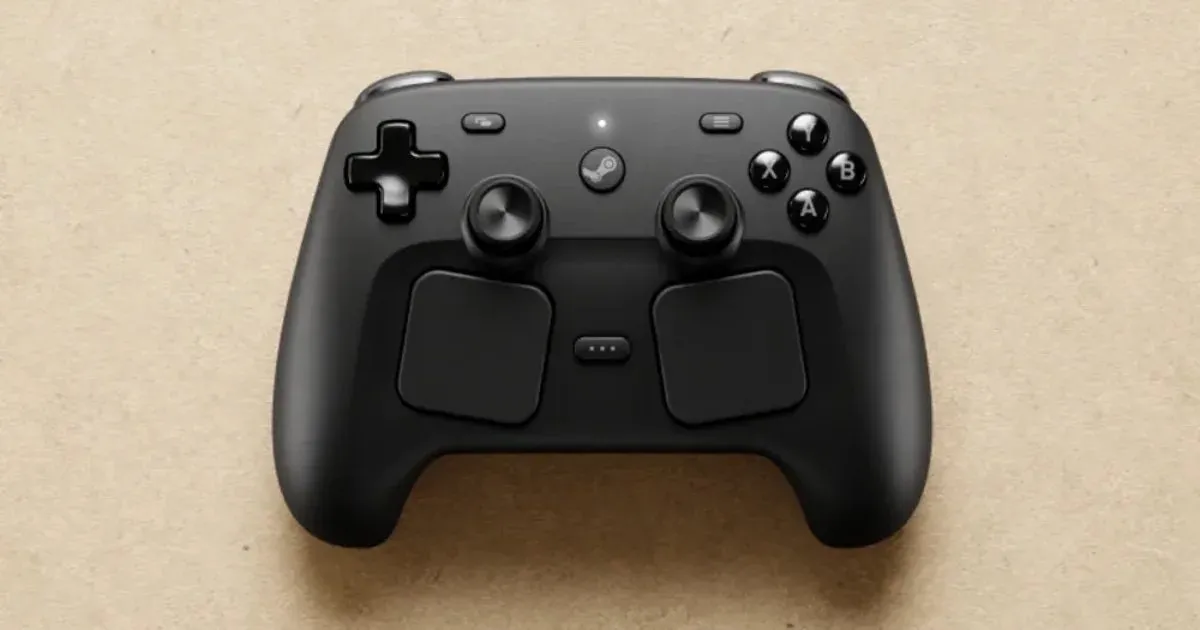
Few phrases sting gamers more than hearing that a highly anticipated drop vanished in minutes, and this latest launch is a perfect example of why. The statement that the team hates that not everyone who wanted one was able to get it captures the mood around a release that generated huge excitement, immediate sellouts, and a wave of frustration from players who were ready to buy but left empty-handed. This kind of moment is now a familiar part of modern gaming culture, where hype, limited supply, and online demand collide in real time.
When a major gaming product goes live and disappears almost instantly, the reaction is never simple. On one hand, a fast sellout signals enormous interest. It tells the world that players care, that the brand has momentum, and that the release mattered. In a competitive industry, that kind of demand is a dream scenario for any publisher, platform holder, or hardware maker.
On the other hand, players do not experience a sellout as a chart statistic. They experience it as a failed checkout, a crashed storefront, a page refresh that never seems to load, or the sinking feeling of seeing resale listings appear before they even had a fair chance. That disconnect is where the tension lives. What looks like success from the outside can feel like disappointment to the audience that keeps the industry moving.
The quote at the center of this story feels honest because it reflects a reality companies do not always say out loud. They know demand matters, but they also know scarcity can damage goodwill. Gamers are passionate, but they are also patient only up to a point. If excitement turns into annoyance too often, even the most loyal community starts to lose trust.
Part of the reason these sellout stories hit so hard is that gaming has changed dramatically over the years. A release is no longer just a release. It is an event. It is teased across social media, dissected in community forums, boosted by influencers, and tracked by fans who know exact drop times down to the minute. By the time the product actually becomes available, the build-up has already transformed it into something bigger than a simple purchase.
That pressure creates a kind of digital stampede. Everyone shows up at once. Storefronts struggle. Inventory disappears. Rumors spread. Some players blame bots, others blame poor planning, and some just blame bad luck. Usually, the truth is a mix of all three. High demand can be genuine, but so can problems with distribution, communication, and retail systems that are not built to handle a tidal wave of traffic.
The resale problem makes everything worse. Nothing drains the joy out of a launch faster than watching opportunistic sellers flip a product for double or triple the intended price. Even when companies take steps to prevent that, players often feel those protections are not enough. Queue systems, account checks, invite-only access, and purchase limits can help, but none of them fully erase the sense that regular fans are competing in a rigged race.
For many players, the frustration is not just about missing one item. It is about what the moment represents. Gaming is supposed to be fun, communal, and exciting. A release should feel like joining in on a shared celebration. Instead, these flash sellouts can make the hobby feel transactional and exhausting. It becomes less about enthusiasm and more about speed, luck, and knowing how to outmaneuver everyone else online.
That is why the wording of a company response matters. Saying they hate that not everyone got one is not a magic fix, but it does at least acknowledge the emotional side of the situation. Players want to feel seen. They want to know the people behind the release understand that disappointment is real, not just a side effect of success. A good response does not just celebrate demand. It also recognizes the community members who were left out.
Still, words only go so far. What gamers really want after a sellout is a plan. Will there be another wave? Will stock improve soon? Will there be better protections against bulk buying and resellers? Will communication be clearer next time? Those are the questions that matter. If the answer is vague silence, frustration grows. If the answer is a transparent roadmap, the mood can recover surprisingly quickly.
There is also a broader lesson here for the industry. Hype is powerful, but it carries responsibility. Companies benefit from creating massive anticipation, but they also have to manage the fallout when demand overwhelms availability. That means better forecasting, stronger retailer coordination, more transparent stock messaging, and systems designed around fairness rather than chaos.
Gamers are usually willing to be understanding when they feel a company is making a real effort. Most players know that not every launch can meet every demand instantly. What they struggle with is the feeling that preventable problems keep repeating. If the same shortages, checkout failures, and resale spikes happen over and over, patience wears thin.
In the end, this sold-out drop is a reminder of both the strength and the weakness of gaming’s biggest launches. The excitement is real. The passion is real. But so is the disappointment when access feels limited and uneven. A product selling out fast may look like a win on paper, yet for a big chunk of the community, it feels like being locked out of the moment entirely.
That is the real challenge for gaming companies now. It is not just making something people want. It is making sure the people who want it actually have a fair shot at getting it. Until that balance improves, every major drop risks becoming the same story: huge hype, instant sellout, and a lot of players left saying they were ready, willing, and still somehow too late.