Warframe, Anthem and the challenge of saving always-online games
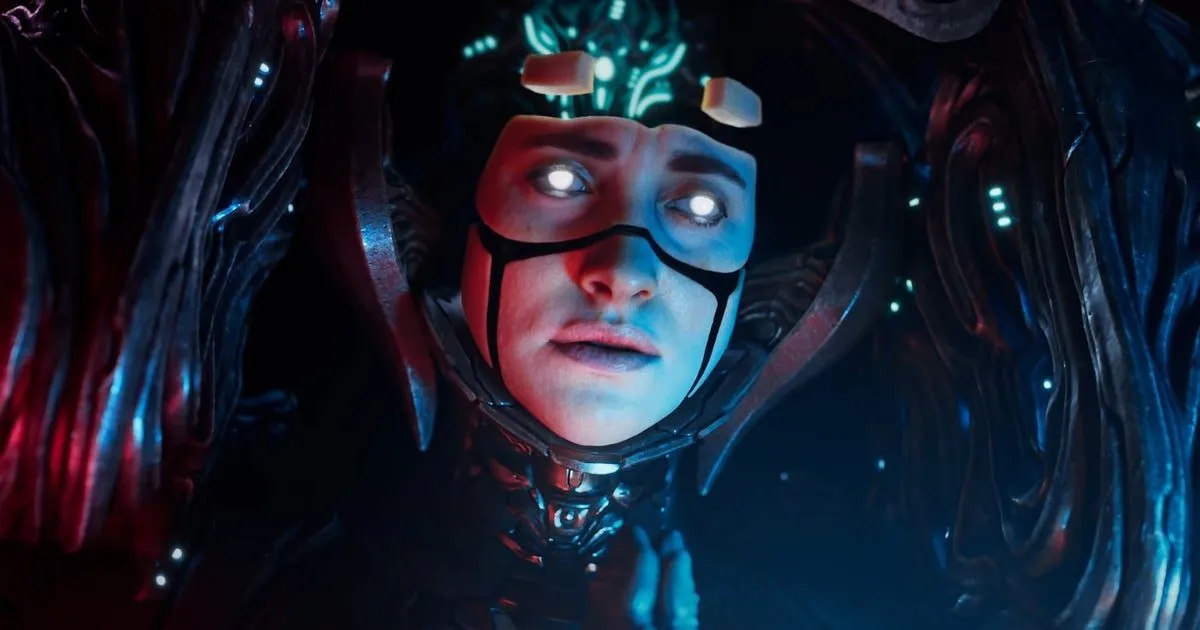
Always-online games can last for years while official support is strong, but their long-term survival is far less certain once a publisher decides to switch them off. Comments from Warframe co-creator Scott McGregor, SpaceCraft CEO Nicolas Cannasse, and former Dragon Age producer Mark Darrah show how uneven that landscape still is: some studios build with offline play in mind, some do not, and retrofitting preservation features later can become a technical, legal, and security problem measured in years of work and millions in cost.
Warframe is one of the clearest examples of a live game built to evolve rather than conclude. Across more than a decade of updates, Digital Extremes has expanded the sci-fi shooter with new quests, locations, systems, and characters while revisiting older parts of the game instead of stripping them out. McGregor said the team generally prefers to improve or replace aging features rather than turn them off. "I think, as a team, instead of mostly turning it off, we either improve it, or we replace it with something better."
That approach has kept Warframe unusually intact for a long-running online game, but it does not mean there is a defined plan for what happens if support ends. McGregor said, "I can't say that we've really thought that far in advance. We just keep working on the game." For players interested in preservation, that leaves a gap around a game that is heavily solo-friendly in practice, but still depends on online infrastructure and does not offer offline play or local servers.
That uncertainty has helped keep attention on the wider preservation debate. The Stop Killing Games campaign has argued that publishers should not be required to run online games forever, but should provide some path for continued access when support ends, whether through offline modes, local hosting, or other end-of-life options. The campaign has gained momentum after shutdowns such as The Crew, even as industry groups continue to push back against broad legal mandates.
The practical side is where the debate gets complicated. Shiro Games offers one version of the story with SpaceCraft. Cannasse said the studio considered long-term offline play early in development and designed the game around that possibility. "When we started developing SpaceCraft, quite early on we thought about players still being able to play offline in the far future in case servers are no longer available, so we created the game with that in mind," he said. Even then, adding the mode still took "significant effort," including save management and autosaves.
That early planning matters because the alternative can be far more expensive. Darrah, discussing the possibility of reviving Anthem as a local or offline experience, said converting an online-only game after the fact can be "a massive undertaking." He pointed to server architecture designed for large-scale deployment, code that may not run cleanly on home hardware, and the possibility that backend systems are intertwined with other games and services.
Security is part of that burden. Darrah said a publisher adding local server support would need to audit the game carefully to avoid exposing users or creating vulnerabilities for connected products built on shared technology. That is a very different standard from a fan preservation effort, where a hobbyist group may accept risks that a corporation cannot. "If you are a hobby group, a lot of those things can be ignored," he said, "but if you are a corporation doing something required by a law, you cannot."
He also warned that aggressive regulation aimed at existing titles could change where publishers operate. Darrah said he assumes any such laws would need to apply going forward rather than retroactively. If not, some companies might remove live-service games from certain markets before compliance deadlines arrive. That concern echoes wider industry reactions to regulation, including the way some games exited Belgium after loot box restrictions, as discussed in this GamesIndustry.biz regulatory overview.
The preservation argument is strongest when studios think about the end at the start. SpaceCraft shows that it can be done. Warframe shows how a major online game can thrive for years without a clear afterlife plan. Anthem shows how difficult late fixes can become once architecture, security, and business realities are locked in. The bigger question is not whether every live game can be saved in the same way, but whether developers and publishers are willing to treat end-of-life access as part of the design brief instead of a problem for later.