Tides of Tomorrow review: Fallout-style choices without the RPG
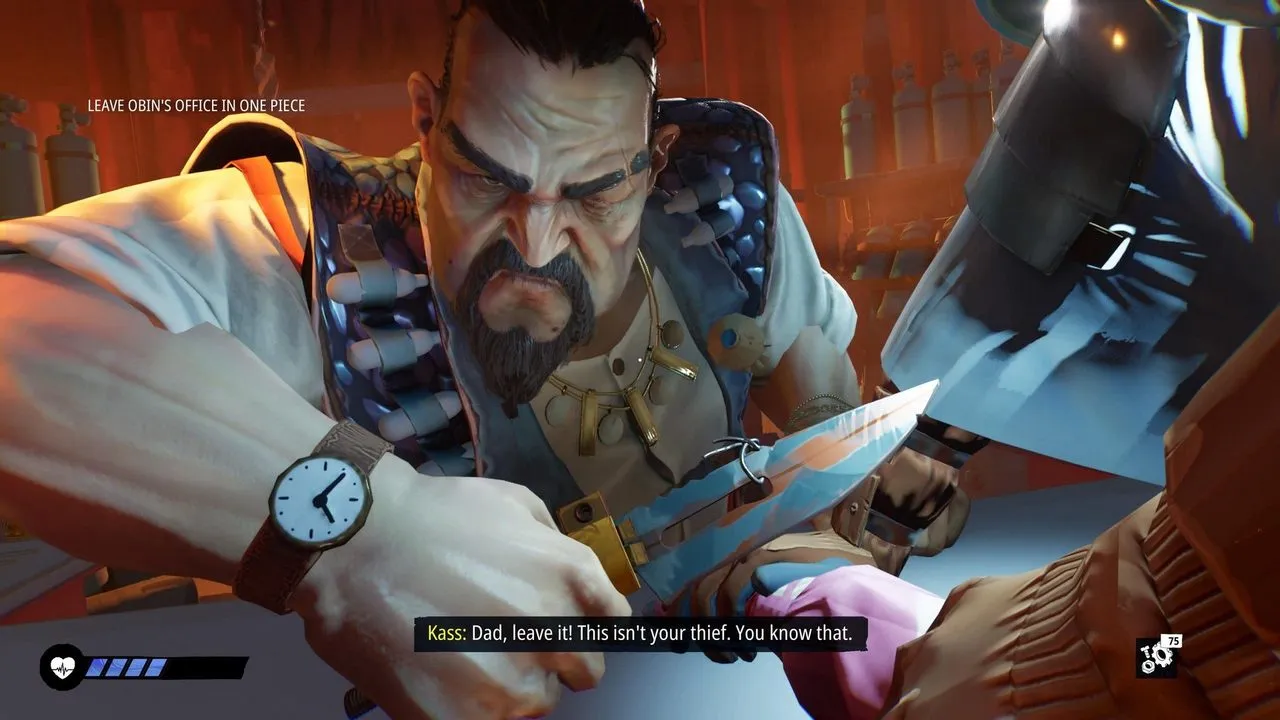
Tides of Tomorrow is a seafaring, post-apocalyptic adventure where your decisions carry the weight of an RPG epic, without the baggage of builds, stats, and min-maxing. Think Fallout-style moral crossroads reimagined as compact, episode-like journeys across islands choked by plastic, with consequences that ripple through your world and into other players’ stories. It’s punchy, focused, and refreshingly low on grind, trading gunfights and gear spreadsheets for tense choices, clever exploration, and an inventive asynchronous multiplayer twist. If you crave the rush of big narrative payoffs but wish more games ditched the number-crunch, this one rides a compelling tide.
The pitch is instantly gripping: humanity clings to scattered islands as a tide of plastic slowly suffocates the world. Communities hunker down under rival banners, barter for survival, and make peace with uncomfortable compromises. Digixart, the studio behind Road 96, leans into that uneasy energy with a choice-driven structure that constantly asks what kind of person you are, and what kind of world you’re building for the players who follow in your wake.
What makes Tides of Tomorrow click is how tightly each area is scoped. Rather than sprawling open zones stuffed with errands, you hop from island to island in self-contained chapters that play like curated adventures. Most of these arcs wrap in about half an hour, yet they squeeze in exploration, character moments, and at least one decision that makes you sit up straight. This snappy pacing gives the game an irresistible “just one more stop” rhythm and prevents its thoughtful premise from dissolving into busywork.
Choice is the star, but it isn’t just about flipping binary switches. You negotiate with faction leaders, coax reluctant allies, and set in motion plans that alter resource routes, power balances, and the security of fragile settlements. Sometimes your verdict is immediate, redirecting a medicine shipment might save a community now but ignite a feud later. Sometimes your actions lie dormant until you return to an old haunt and see what grew from the seeds you planted. Crucially, Tides of Tomorrow signals the stakes clearly without spoiling outcomes, helping you role-play confidently rather than second-guessing a mystery box.
Then there’s the clever spin: you’re part of a loose, asynchronous caravan of “Tidewalkers.” Other players’ past choices subtly shape your present, and yours will shape theirs. You might step into a port already simmering from a stranger’s negotiation gone wrong, or inherit a ladder someone repaired that opens a shortcut to hard-to-reach salvage. Occasionally the game shows echoes of the paths others took, nudging you to consider alternatives you hadn’t, but it never strong-arms your agency. It’s reminiscent of the indirect cooperation found in certain delivery-and-connection games, except here it’s grafted to a narrative spine where the handoff of a living world becomes the point.
Also welcome: this isn’t an RPG in the usual sense. No perks to grind, no loot treadmill, no +2 trinkets to juggle. Action pops in as a spice, brief chase sequences, tense standoffs, and set-piece scraps resolved more through timing and dialogue than twitch aim. That restraint keeps the spotlight on role-playing as a verb: choosing who to side with, who to save, who to leave behind, and why. If you love the way Fallout: New Vegas frames ethical dilemmas but you’d happily trade the inventory micromanagement for more story, Tides of Tomorrow feels tuned for you.
The worldbuilding holds up its end of the bargain. Islands don’t blur together; each one feels like a thesis statement about how people cope when the water keeps rising. You’ll meet scavenger enclaves eking out a future from yesterday’s trash, raider-style bosses who control vital commodities, and techno-spiritual sects who venerate the relics of the old world. Even the economy of survival has layers: a drug that suppresses the creeping plastic sickness circulates like lifeblood, raising questions about who gets help and at what cost. That thematic throughline, how desperation twists community, grounds your choices so they never feel like gimmicks.
Presentation sells the vibe. The ocean is a shimmering promise and a threat, its beauty scarred by floating debris fields that catch the light like stained glass. Character performances are emotive without being melodramatic, and the score swings from wistful to pulse-quickening as choices tighten. UI signposting is clean, and environmental cues do most of the heavy lifting, encouraging you to read scenes like a detective rather than chasing a waypoint parade.
Not everything lands perfectly. Because the game must gracefully pass the baton from one player to the next, a few choices occasionally feel softened by design. You sense the invisible rails that ensure the story doesn’t shatter for whoever comes after you. Similarly, players yearning for elaborate combat sandboxes or buildcraft will find the action light by intent. And while the chapter-based structure is a strength, it can also mean an area wraps up right as you’re ready to dig even deeper into its cast. These trade-offs keep the experience cohesive, but they’re worth noting if you equate “RPG-like choices” with “hundreds of hours of stat chiseling.”
The flip side is that Tides of Tomorrow rarely wastes your time. Because each island is built like a concentrated dose of narrative, the moments that matter come fast. The aftertaste of a hard-won compromise lingers, and the next stop reframes what you thought you knew. When a settlement remembers you, or blames you, the cause-and-effect feels earned. I finished multiple chapters with that rare, quiet exhale only games about consequence can produce, where you walk away replaying the scene in your head and wondering what might have happened if you had waited one more beat before speaking.
A few highlights from my voyage:
- A resource negotiation that snowballed into a power reshuffle when a charismatic fixer sized me up and pushed my limits.
- A vibrant pleasure hub that doubles as a pressure cooker, where a single favor opened racing lanes and closed political ones.
- A shrine-turned-archive where faith and technology collided, forcing me to weigh history’s preservation against today’s survival.
These aren’t spectacle for spectacle’s sake; they’re showcases for the game’s core thesis: the end of the world isn’t just ruin, it’s a thousand choices about what to carry forward.
If you arrive expecting a traditional role-playing game, recalibrate. Tides of Tomorrow is an adventure game with the heart of a choice-heavy RPG and the body of a brisk, modern narrative experience. Its asynchronous layer makes the world feel shared without diluting your authorship, and its chapter design keeps the pacing taut. The combat-light approach won’t be for everyone, but if you live for the tough calls most RPGs bury beneath stat sheets, this ocean is worth charting.
Verdict: A lean, confident narrative voyage where decisions roar and systems whisper. Come for the Fallout-grade moral crossroads, stay for the satisfying handoff between players that makes every island feel like a story someone else started and you get to finish.