Swords of Legends Looks Great, But I Hope It’s Still an RPG
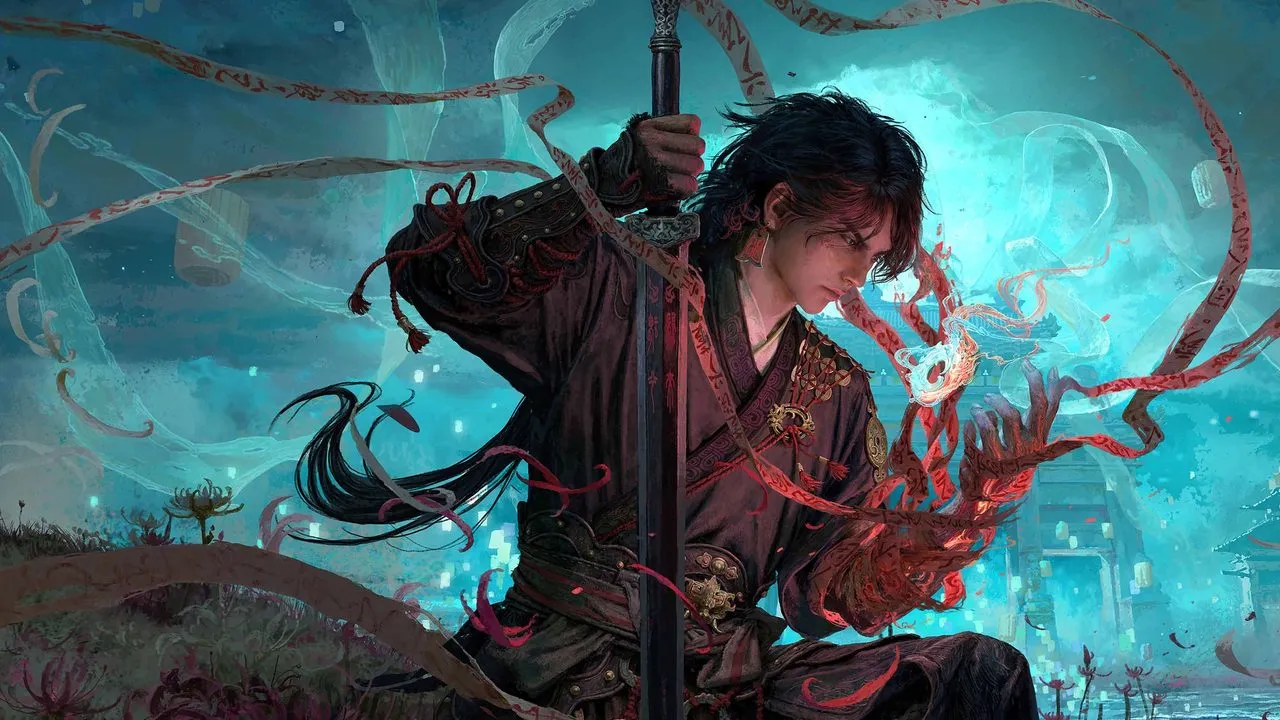
Swords of Legends makes a strong first impression with lavish Unreal Engine 5 visuals, inventive myth-inspired bosses, and flexible combat, but the early demo leans so heavily on action that it leaves open a bigger question: whether this sequel will still deliver the character focus and worldbuilding that defined the Gujian series. The game is listed on Steam, but it still does not have a release date.
The setup matters here because Swords of Legends is not arriving as a brand new property. It follows Gujian 3, part of a long-running Chinese RPG series that built its reputation well before Black Myth: Wukong shifted global attention toward big-budget action games from China. Earlier Gujian entries began as turn-based RPGs and moved toward action over time, but they still carried the sort of party dynamics, story development, and slow-burn worldbuilding that RPG fans tend to remember most.
That history is why the current demo feels a little uneasy. The slice on display is built around boss encounters and a narrow, linear section, with very little room to show how quests, companions, or choice might shape the broader adventure. The only obvious RPG signals come from menus and character stats. In play, the emphasis is squarely on fighting.
There is good news on that front. The combat already has more personality than a standard dodge-and-parry routine. Basic light and heavy attacks are there, but the more interesting layer comes from interchangeable weapon skills and artifacts that alter how defense and offense work. One starter artifact provides a guard that consumes mana unless timed perfectly. Swapping that out changes the feel of combat immediately. The Thunder Banner, for example, replaces the guard with a damaging dash that carries generous invincibility frames, pushing fights toward aggression rather than caution.
Another loadout offers a stronger parry on a greatsword, turning defense into a calculated risk. Each successful counter punishes enemies hard, but every attempt costs mana, and missed timing leaves the player exposed. That structure suggests Swords of Legends wants players to build a style instead of just learning one approved answer to every attack pattern.
That distinction matters because so many modern action games have converged around reaction-based defense. Swords of Legends at least appears interested in giving players options. It does not entirely escape the shadow of current genre trends, but it avoids feeling like a straight imitation.
The demo also shows real imagination in its enemy design. One early fight introduces Ox-Head, a giant bull who calls the player "boss" and becomes a summonable ally after a tutorial battle. It is a fun mechanical twist, though the demo does not reveal whether he is a real companion in narrative terms or simply another combat tool.
The bosses make an even stronger case for the game’s artistic direction. A roadside inn scene turns into a duel with a warrior wearing a teapot as a helmet and wielding a long-spouted teapot like a sword, with boiling water thrown across the arena as part of the moveset. Another standout encounter pits the player against a magician whose body resembles an ornate flying rug. After taking enough damage, he hides inside one of three spinning teacups and retaliates with fireworks when discovered. Those encounters feel drawn from folklore rather than generic fantasy, and they give the game a clear identity.
That identity is exactly why the RPG side feels worth protecting. A series with deep roots in Chinese mythology has room to do more than string together stylish boss fights through Souls-like corridors. If the full game can match its combat experimentation and creature design with stronger characters, party dynamics, and narrative depth, Swords of Legends could offer something richer than another polished action spectacle. Right now, the promise is visible, but so is the risk.