Stellar Blade Sequel Goes Solo: Shift Up Will Self-Publish Eve’s Return
Shift Up has confirmed that the next Stellar Blade is moving forward with the studio handling publishing duties itself, a major change from the original game’s PlayStation-backed release. That decision could shape everything from marketing and platform strategy to how the sequel presents Eve, its world, and its identity to players around the globe. For fans, this is more than a business update. It is an early sign that the follow-up may aim bigger, reach wider, and feel more directly driven by the studio’s own vision.
The original Stellar Blade made a loud impression. Even before launch, it had the kind of attention most action games would love to have, with flashy combat, a striking sci-fi setting, and a main character who sparked nonstop discussion across social media and gaming communities. Once it arrived, the response was strong enough to give Shift Up real momentum. Reviews were solid, player reception was enthusiastic, and the game quickly established itself as one of those releases people kept debating long after the credits rolled.
Now the sequel is in development, and the biggest headline is not just that Eve is returning. It is that Shift Up wants to take full control of the next step.
That matters because publishing is not some invisible logo slapped on a box. A publisher can influence platform rollout, advertising tone, release timing, trailers, partnerships, and the overall image a game presents to the public. When a studio decides to self-publish, it is basically saying, we believe we understand this game and its audience well enough to carry it ourselves.
For Stellar Blade, that could be a huge shift.
The first game was closely associated with PlayStation, and that helped it land with a certain level of prestige and visibility. At the same time, exclusivity can narrow a game’s reach. By self-publishing, Shift Up opens the door to a broader launch strategy, potentially bringing the sequel to more platforms from the start and speaking to a bigger global audience on day one.
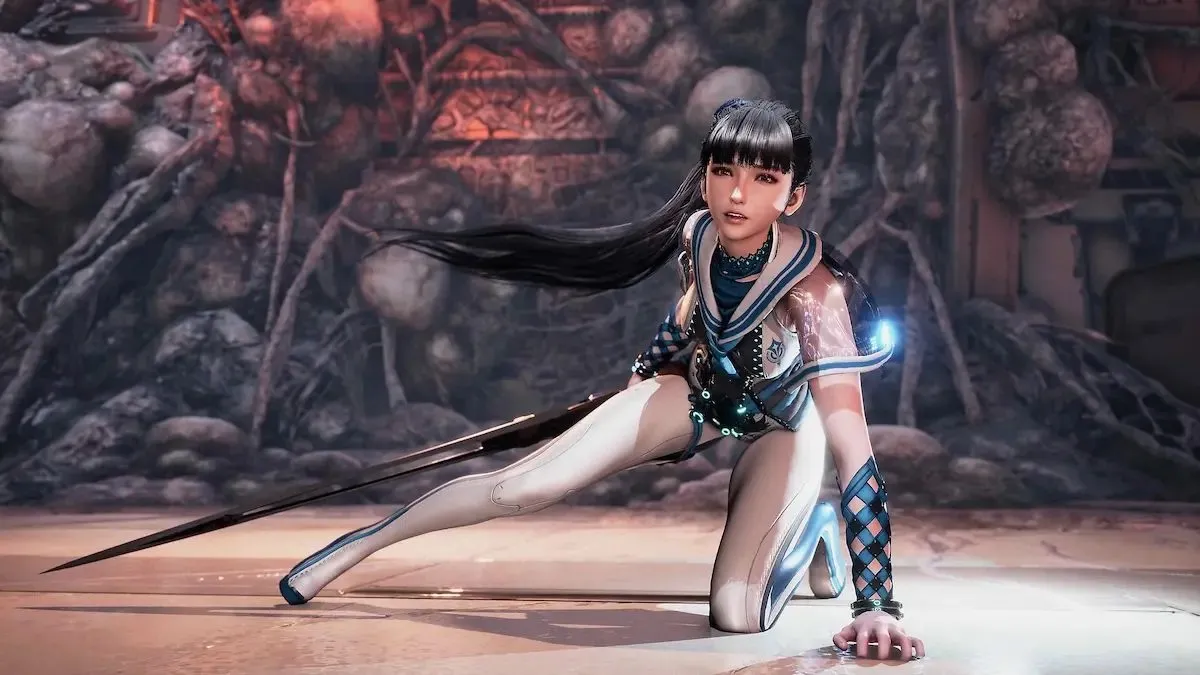
That wider approach fits the studio’s comments about wanting marketing that better reflects the identity of the IP. It is an interesting phrase, and one that invites a lot of speculation. Stellar Blade’s identity is not just one thing. It is stylish action combat. It is fast, flashy encounters that reward timing and aggression. It is a slick sci-fi world with post-apocalyptic flavor. And yes, it is also a game whose protagonist design became one of the most talked-about parts of its public image.
That last point is impossible to ignore. Whether players loved it, criticized it, or were simply tired of hearing about it, Eve’s design became part of the game’s cultural footprint. So when Shift Up talks about highlighting the distinctive identity of the IP more directly, some fans will naturally wonder what exactly the studio wants to emphasize this time around. More combat-focused messaging? More worldbuilding? More character branding? Or all of the above, but with fewer compromises?
From a business angle, self-publishing also suggests confidence. It means Shift Up sees Stellar Blade not as a one-hit curiosity, but as a franchise with staying power. Studios do not usually make this kind of move unless they believe they have a loyal fanbase and a strong enough product to support a more independent strategy. In that sense, the sequel is not just another project. It is a test of whether Stellar Blade can evolve into a long-term brand.
And honestly, there is reason to think it can.
The original game already built a recognizable style. Its combat was the easiest selling point for many players, blending spectacle with intensity in a way that felt immediately gameable. Even people who bounced off other parts of the experience often admitted that the action itself had real punch. If Shift Up can build on that foundation with a stronger narrative, more refined pacing, and expanded enemy and level design, the sequel could land even harder.
That is the real opportunity here. Self-publishing is exciting, but the game itself still has to deliver. Fans will expect smoother progression, bigger set pieces, sharper storytelling, and a more confident understanding of what made the first title click. A sequel has the advantage of familiarity, but it also carries more pressure. You do not get to be the surprise anymore. You have to prove that the first game was the beginning of something, not the peak.
There is also the platform question hanging in the air. While nothing is confirmed here beyond the publishing change, the move naturally fuels discussion about a less restricted release plan. If Shift Up wants maximum sales and maximum reach, launching beyond a single ecosystem would make a lot of sense. In today’s market, broader access can be a game changer, especially for an action title that already has a visible online following.
For players, this all adds up to a simple but exciting takeaway. Stellar Blade is not fading into the background after one successful outing. Shift Up is betting on it, betting on Eve, and betting on its own ability to steer the franchise without leaning on an outside publishing partner.
That is a bold move, and bold moves are often what make sequels worth watching.
If Shift Up can match its confidence with a stronger, sharper, more ambitious game, Eve’s next outing could be more than just a follow-up. It could be the moment Stellar Blade stops being a talked-about release and becomes a true heavyweight action series. For now, fans will have to wait, but the signal is clear: Eve is coming back, and this time Shift Up wants all eyes on its own vision.