Remedy CEO Says Control Resonant Is a Triple-A Game on a Small Budget
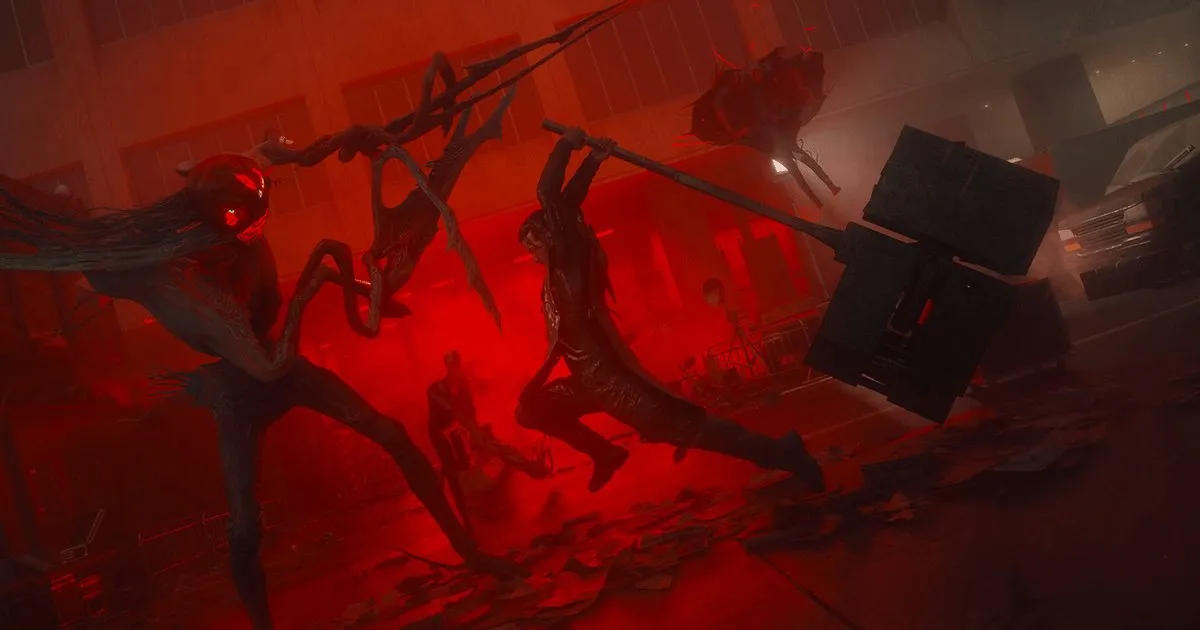
Remedy says Control Resonant is shaping up as a triple-A experience built with unusually tight financial discipline, and that statement says a lot about where the studio is headed in 2026. With the company focused on controlled growth, internal tech, and preserving its creative identity, the message is clear: Remedy wants to deliver a big-budget feel without falling into the same costly traps that have hit so many studios across the industry.
There is something instantly interesting about that pitch. In a time when blockbuster games can burn through staggering budgets and ballooning teams, hearing a studio leader talk about restraint almost feels refreshing. According to Remedy CEO Jean-Charles Gaudechon, the company has managed to keep Control Resonant on track while working within what he described as a relatively small budget for a game of this scale. That does not mean the project is small in ambition. If anything, it sounds like Remedy is betting that smart production can matter just as much as raw spending.
For players, that is a compelling idea. Remedy has built its reputation on atmosphere, storytelling, and a very specific style of action that feels cinematic without losing its gamey edge. Control delivered one of the most memorable worlds in recent years with the Federal Bureau of Control, strange paranormal threats, and a setting that somehow made office buildings feel terrifying and fascinating at the same time. Alan Wake 2 proved again that the studio knows how to create mood, tension, and identity better than most. So when Remedy says it can make something that feels triple-A without chasing the biggest possible budget, fans have reason to pay attention.
A huge part of that confidence seems to come from Northlight, Remedy’s in-house engine. This is one of those behind-the-scenes factors that can make a major difference even if most players never think about it directly. Using internal tools means the studio is not constantly adapting to outside tech or rebuilding workflows every few years. Teams get familiar with the pipeline, artists and designers know what the engine can do, and production can become more predictable. That kind of stability may not sound exciting on paper, but in game development it can be the difference between momentum and chaos.
Gaudechon also pointed to something even more important: Remedy has tried not to grow too fast. That is a major theme in the modern games business. Over the last several years, plenty of companies expanded aggressively after a hit, only to face painful layoffs or restructures when market conditions changed. Remedy’s approach seems to be the opposite. Instead of scaling up endlessly, the studio wants to stay at a size that matches the games it is actually making. It is a practical stance, and honestly, it feels like one of the smarter lessons a studio can take from the current state of the industry.
That context matters even more because Remedy is coming off a mixed moment. The company recently had to shelve FBC: Firebreak after it failed to find a strong audience. That kind of setback can easily push a publisher or developer into drastic decisions. But the messaging around Control Resonant suggests the studio is trying not to overreact. Rather than tearing everything apart, leadership seems focused on supporting the teams already in motion and getting the next major release across the finish line. That sort of steady hand could be exactly what fans want to hear.
It also helps that Control as a franchise has real momentum. Remedy says the original game has now sold more than 6 million copies worldwide, which is a strong result for a title that leaned heavily into weird fiction and surreal storytelling instead of chasing the broadest possible mainstream formula. That success gave the Control universe staying power, and it makes Control Resonant one of the studio’s most important upcoming projects. Players are not just waiting for another action game. They are waiting to revisit a world that feels distinct in an industry where sameness can be a real problem.
What stands out most in all this is how Remedy keeps framing its future around identity. The company is talking about creative focus, memorable IP, quality, and originality. Those are good buzzwords, sure, but in Remedy’s case they actually line up with what the studio has historically done best. It has never really been the company that floods the market with annualized releases. It is the company that makes games people remember for their tone, strange ideas, and confidence in being a little off-center.
There is still plenty of pressure ahead. A 2026 launch means expectations will only rise from here, and marketing will ramp up significantly closer to release. Players will want to see gameplay, scale, polish, and proof that the game can live up to the triple-A label even with a more controlled budget. That is the challenge. Calling something triple-A on a smaller budget is a bold claim because it invites scrutiny from both fans and industry watchers. If Control Resonant lands, it could become an example of how to build big games more sustainably. If it stumbles, people will question whether this balancing act was too ambitious.
For now, though, the story around Control Resonant is one of confidence and discipline. Remedy seems to believe it has found a sweet spot: not too big, not too reckless, but still ambitious enough to compete at the top end of the market. In today’s gaming landscape, that might be one of the most exciting strategies of all. If the studio can deliver the strange, stylish, high-quality experience fans expect while avoiding the excesses that have hurt so many others, Control Resonant could end up being more than just another major release. It could be proof that smart development is just as powerful as massive spending.