Valve: Steam Controller Launch Amid RAM Shortages, Steam Machine Delays
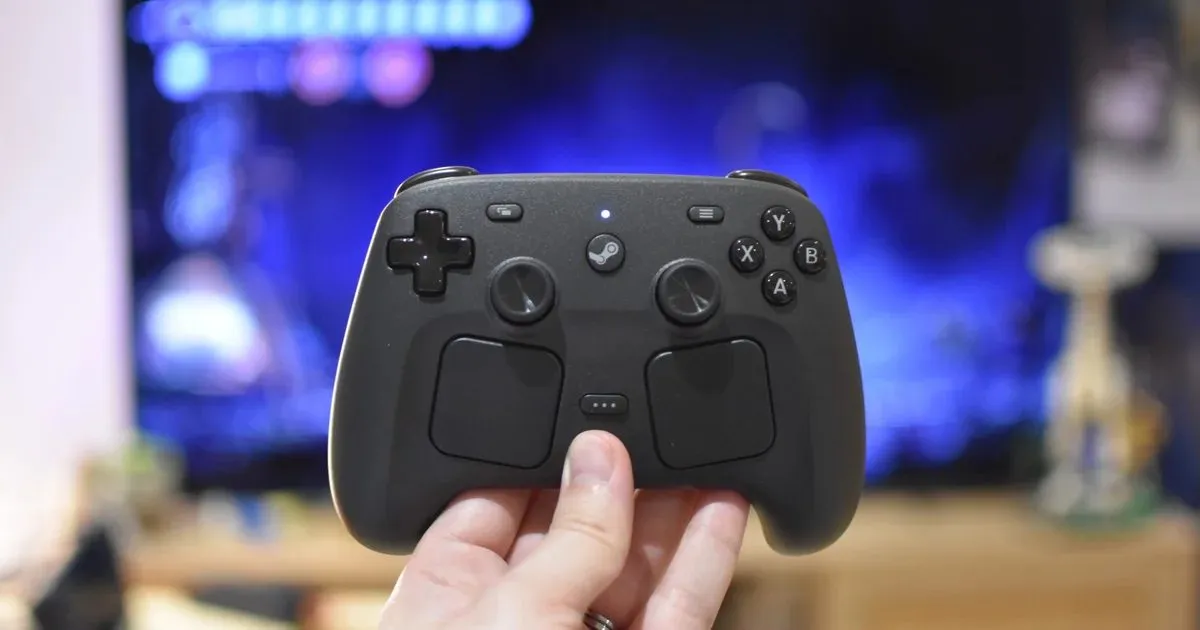
Valve is forging ahead with its latest Steam Controller even as global RAM shortages squeeze the broader PC hardware market and push the Steam Machine’s timeline further out. In this breakdown, we unpack why the controller can reasonably launch now, how memory constraints ripple through bigger boxes, what that means for pricing and availability, and how players can prepare for the first waves of stock without getting burned by the supply crunch.
If you’ve watched PC hardware for more than a minute, you know that memory is the tide that lifts or lowers all boats. When DRAM and NAND prices spike, devices that rely on them feel the squeeze first: desktops, handhelds, and living-room PCs stuffed with fast memory and roomy storage. Controllers, by contrast, are smaller, leaner, and built around components that are relatively insulated from RAM market drama. That’s the core reason the Steam Controller can take the stage while a full-fledged Steam Machine waits in the wings.
Why the controller can ship while everything else stalls
- Controllers don’t need high-capacity DRAM or piles of flash storage. They rely on microcontrollers, sensors, radios, and haptics, parts that live in different supply lanes than the memory-heavy guts of a PC.
- That doesn’t mean it’s easy. Even a “simple” device wrestles with wireless chip allocations, battery sourcing, haptic drivers, and freight headaches. But the bill of materials is smaller, the certification maze is shorter, and the cost volatility is less brutal than it is for a complete gaming system.
- Most importantly, controllers can be built in larger batches with more predictable yields. When your device doesn’t hinge on a volatile memory market, it’s easier to lock pricing, forecast demand, and actually hit a launch window.
Why the Steam Machine is waiting it out
- Memory is a major slice of any PC’s cost and availability story. If the price and availability of RAM or SSDs are bouncing around, it’s tough to finalize pricing that won’t look outdated, or unprofitable, in a few months.
- A living-room PC also has to juggle GPU and CPU allocations, thermal design, acoustics, and OS polish. Delays in any one of those lanes can stall the whole train.
- A big splash requires big stock. Launching with a trickle of units is a great way to disappoint early adopters and feed scalpers. Waiting until there’s enough inventory to serve more regions and retailers in one go is the smarter long game.
What this means for players
- Expect the Steam Controller to arrive in waves. That doesn’t mean it’ll be impossible to get, but some regions may see staggered windows or limited drops as supply stabilizes.
- Pricing should be steadier than what we’ve seen in the desktop space. Still, small adjustments can happen when freight or component costs swing.
- Firmware and software support will be key. Valve tends to ship features iteratively; expect ongoing tweaks to input behavior, gyro tuning, haptics, and profiles as more players provide data.
What to look forward to with the new controller
- Versatility-first design: The pitch here is adaptability. Think modern remapping, gyro aiming that complements stick input, and trackpad-style precision that helps bridge the gap between mouse-centric genres and couch play.
- Better couch-to-desk flexibility: The controller should aim to make genres like strategy, management, and point-and-click adventures actually comfortable on the sofa, while still being viable for action-heavy games that benefit from gyro-assisted aiming.
- Profile sharing and iteration: Expect community-driven layouts that evolve quickly. A thriving library of game-specific templates can turn a good controller into a great one.
Tips for getting one without the FOMO tax
- Sign in and set alerts early. Whether you’re watching Valve’s storefront or a preferred retail partner, being logged in and ready speeds up checkout in the short stock windows that tend to define launch week.
- Avoid reseller markups. With controllers, restocks usually come faster than they do for GPUs or systems. If you miss the first wave, waiting a week or two often saves you a painful markup.
- Keep an eye on firmware notes. Early updates can meaningfully change the feel of gyro or haptics. If you care about fine-tuning, read the notes and revisit calibration after each update.
How shortages shape the Steam Machine’s eventual debut
- Watch the memory market: When DRAM and NAND pricing cool off and lead times shrink, that’s your first signal that larger hardware launches are lining up.
- Software tells a story: Updates to SteamOS, driver rollouts, and certification breadcrumbs often precede hardware. If you see a steady cadence of living-room-focused improvements, it’s usually a sign the runway is being paved.
- Don’t expect a paper launch: When the Steam Machine reappears, it’ll likely be with real stock and pricing that Valve feels confident can hold. That’s better than a splashy date followed by months of scarcity.
How this controller fits into the PC ecosystem right now
- It complements, not replaces, mouse-and-keyboard. On the desk, gyro-assisted aiming can be a stealth upgrade for genres that straddle the line, while on the couch it opens up games that usually feel awkward on sticks alone.
- It underscores Steam’s software edge. Input remapping, per-game profiles, and cloud-synced prefs turn hardware into a living platform, not just a static device.
- It softens the wait for bigger hardware. By getting a high-utility accessory into players’ hands now, Valve keeps momentum and feedback flowing while supply chains sort themselves out.
What I’m watching next
- Stability in component lead times, especially memory and storage. When those charts flatten, the bigger launches get real.
- Signals from developer partners. When studios talk about living-room-first UI passes and tuned controller profiles hitting day-one, it usually means the platform owner is nudging behind the scenes.
- Accessory ecosystem growth. Cases, docks, charging solutions, and third-party grips often surge just before or after a major controller’s launch, another soft indicator that a platform push is underway.
The bottom line The Steam Controller can credibly launch in a tough market because it sidesteps the worst of the RAM crunch, while the Steam Machine, dependent on memory, storage, and high-demand silicon, needs a steadier supply picture. That’s not a retreat; it’s sequencing. If you want in on the controller, be ready for rolling stock and iterative updates. If you’re holding out for the living-room box, watch the memory market and SteamOS cadence. In the meantime, there’s a lot of gaming to be done, and a flexible, thoughtfully tuned controller is a great way to make that couch feel like command central.