Obsidian’s New Fallout Game: Great News, Bad Timing
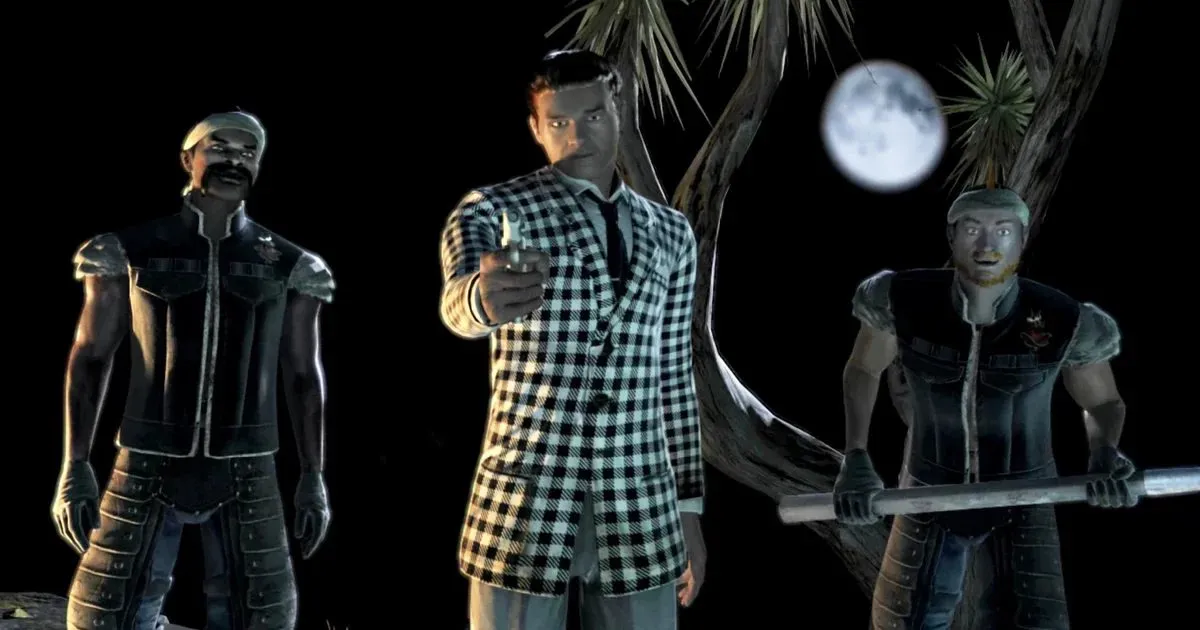
The news that Obsidian may be returning to Fallout should feel like a dream come true for RPG fans, especially anyone who still holds Fallout: New Vegas close to their heart. But the excitement is tangled up in a much heavier reality: layoffs, cancelled projects, and the uncomfortable sense that this comeback may be happening under pressure rather than pure creative passion. That makes this reported new Fallout game both thrilling and difficult to celebrate.
For a lot of players, Obsidian and Fallout are a perfect match. New Vegas remains one of the most beloved RPGs of its era not because it was the biggest or the prettiest, but because it understood what makes Fallout special. It had personality, player freedom, sharp writing, memorable factions, and that magical feeling that every decision might come back to haunt you later. It was messy in places, sure, but it was also brilliant in the ways that matter most to role-playing fans.
So if you tell that same audience that Obsidian is reportedly starting work on a new Fallout game, the natural response is immediate hype. On paper, it sounds like the easiest win imaginable. Let the studio that made New Vegas take another shot at the wasteland. Put talented RPG developers back into one of gaming’s most iconic post-apocalyptic worlds. Give players a Fallout experience that leans hard into choice, consequence, and weirdness. It practically sells itself.
The problem is that the timing casts a huge shadow over the whole story.
When exciting game announcements are tied to reports of layoffs and internal reshuffling, it changes the mood completely. Instead of feeling like a creative victory lap, the project starts to sound like a strategic retreat into safe territory. That is much harder to celebrate. Established franchises are often treated like life rafts during unstable times, and Fallout is exactly the kind of name that publishers trust when they want something recognizable, marketable, and dependable.
That does not mean the people at Obsidian cannot make something fantastic. Far from it. If this project is real, there are plenty of reasons to believe the developers involved could create an excellent RPG. Obsidian has repeatedly shown that it knows how to build rich questlines, smart dialogue, and morally complicated worlds. Even when the studio has worked on smaller-scale or more experimental games, that core strength has remained visible.
Still, it is impossible to ignore the larger picture. If projects are being shelved and teams are being reshaped because management wants fewer risks and more big-name hits, then a new Fallout starts to represent more than just another cool RPG. It becomes part of a wider industry trend where creativity often has to justify itself against franchise familiarity. That is where the bad timing really stings.
There is also something bittersweet about what this means for Obsidian’s newer ideas. Studios need room to experiment. They need chances to build fresh worlds, try unusual systems, and grow beyond the things they are already known for. Returning to Fallout is exciting, but if it comes at the cost of other original or developing projects, then the win feels complicated. Fans may get the sequel in spirit they have wanted for years, but it may arrive because other ambitions were pushed aside.
And yet, despite all of that, it is hard not to imagine the possibilities.
A modern Obsidian-made Fallout could be incredible. Better tools, bigger budgets, and years of design experience could allow the studio to revisit the strengths of New Vegas while smoothing over the rougher edges. Imagine layered faction politics, reactive storytelling, and towns full of memorable oddballs, all built with a stronger technical foundation. Imagine a wasteland that feels less like a shooting gallery and more like a place where every settlement has competing interests and every conversation might open or close a door. That version of Fallout is easy to get excited about.
Josh Sawyer’s reported involvement only fuels that excitement further. His name carries serious weight among RPG fans, and for good reason. If he is helping lead the project, many players will immediately feel that this is not just a nostalgic cash-in. There is credibility there. There is a sense that the people steering the ship understand why players connected with New Vegas in the first place.
But talent and potential do not erase the context.
That is what makes this story so emotionally messy. You can be excited for the game and still feel uneasy about why it exists now. You can want Obsidian back in Fallout while also wishing that return had happened under better circumstances. You can believe the final product might be excellent while questioning the decisions that led to it.
In a strange way, that tension is very Fallout. It is a series built on compromise, survival, power struggles, and making the best of bad situations. Maybe it is fitting, if also frustrating, that this reported new chapter arrives wrapped in exactly those kinds of contradictions.
For now, all players can really do is wait and see. If the project moves forward, it will carry enormous expectations. Fans will want the writing, the role-playing depth, the dark humor, and the unforgettable choices that made New Vegas endure for so long. They will also be watching to see whether Obsidian gets the space to make something inspired, rather than simply something safe.
If this new Fallout eventually lands and turns out to be great, plenty of people will celebrate it. They should. Great games deserve that. But it is also okay to remember that sometimes exciting announcements come with a cost, and that cost should not be brushed aside just because the logo on the box is one people love.
That is why this feels like great news with bad timing. The dream matchup is finally on the table, but the circumstances make it hard to cheer without hesitation. A return to the wasteland should feel like a victory. Right now, it feels more like hope trying to grow in the middle of fallout.