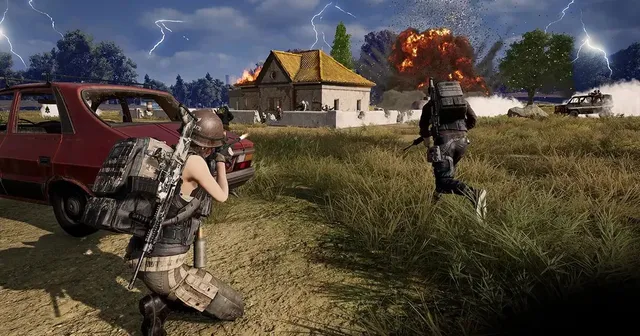
PUBG Adds AI Teammates in Ally Duo Beta on Nvidia Tech
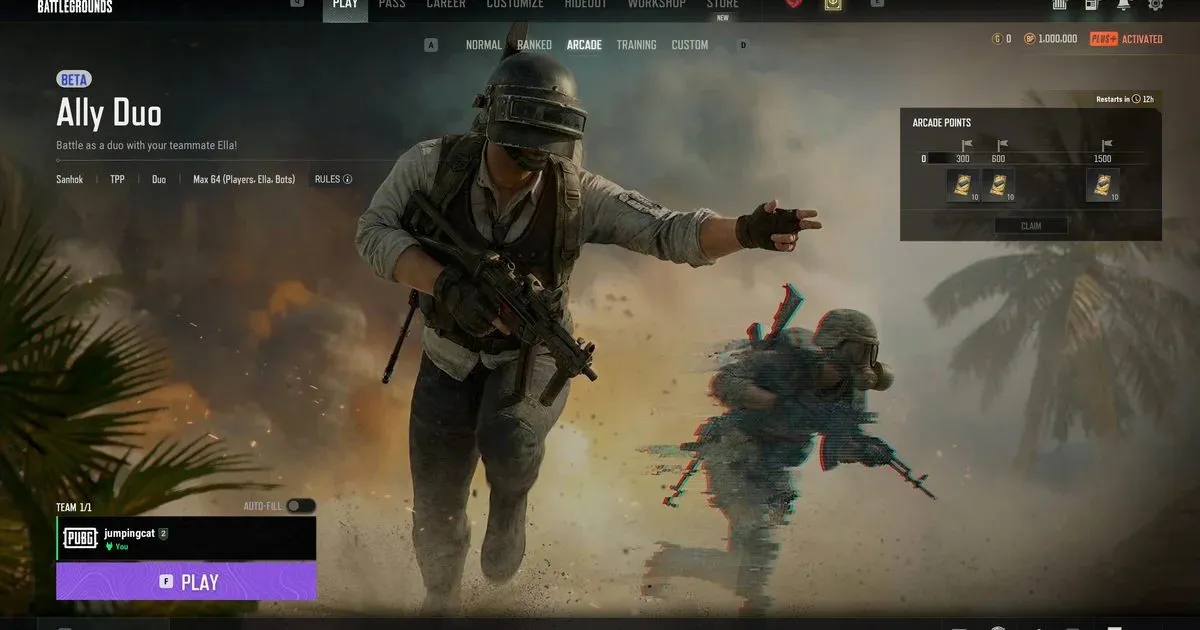
PUBG: Battlegrounds is stepping into a strange but fascinating new future with the beta launch of AI teammates in Ally Duo mode, powered by Nvidia technology. The feature promises computer-controlled partners that can react to the battlefield, coordinate with players, and even chat back in ways that feel more natural than the bots many players are used to. For a game built on tense squad dynamics, clutch callouts, and chaotic voice comms, this could be one of the boldest experiments PUBG has tried in years.
PUBG’s new bot experiment feels very different
PUBG has had bots before, but this is clearly aiming for something bigger. The new Ally Duo beta is not just about dropping a basic AI soldier into a match to soak up bullets or follow a player in a straight line. Krafton and Nvidia are framing these companions as more advanced autonomous characters that can understand situations, make decisions, and act within the match in a way that feels more like a real teammate.
That is the key difference here. Traditional bots in multiplayer shooters often feel predictable, stiff, or just plain useless once the action gets messy. PUBG Ally Duo is trying to push beyond that by creating a partner that can perceive what is going on, plan around it, and respond dynamically. In theory, that means more believable support in a firefight, smarter movement, and better teamwork overall.
For a battle royale game, that is a huge deal. PUBG has always thrived on tension, positioning, and communication. Having an AI drop into that formula changes the feel of the experience in a way that could either be exciting, awkward, or both at once.
Why this matters for PUBG specifically
PUBG is not just any shooter. It helped define the modern battle royale genre and became famous not only for its gunfights but also for its unforgettable squad moments. Anyone who has played enough PUBG knows the real drama often happens in voice chat. Misheard callouts, panicked revives, last-second plans, and arguments over loot are all part of the identity of the game.
That is why AI teammates feel especially interesting here. In some games, an AI ally would just be another feature. In PUBG, it touches one of the core parts of the experience: team chemistry.
If these AI companions can genuinely support players in a useful way, they might become a welcome option for people who want a partner without needing to queue with randoms. On the other hand, if they end up sounding too robotic or making baffling choices at the worst possible moment, players will notice immediately. PUBG is a game where one bad decision can end a run, and that makes the quality of an AI partner incredibly important.
Nvidia tech brings the bigger ambition into focus
The Nvidia connection makes it clear that this is not a small side experiment. The technology behind Ally Duo is being presented as a more advanced approach to game AI, combining battlefield awareness, planning, action, and speech-driven interaction.
That speech element may end up being the most talked-about part. It is one thing for a bot to ping a target or follow a command. It is another for that bot to banter, answer questions, or react verbally in a way that feels fluid. If that works well, players may start treating these companions less like tools and more like actual squadmates.
That opens the door to a very different kind of multiplayer storytelling. PUBG has always been full of emergent moments, but now some of those moments might come from an AI that says something unexpected, funny, or surprisingly useful. That could be entertaining, but it also raises questions about whether simulated teamwork can really capture the unpredictable spark of playing with real people.
The beta period will be worth watching
The current beta runs through Ally Duo Mode in PUBG Arcade until the end of June, and it is easy to see why Krafton would want as much player feedback as possible. This kind of feature really cannot be judged by a polished trailer alone. It needs real players testing it in real matches, under pressure, in chaotic combat situations where teamwork either works or falls apart.
That feedback will probably shape whether AI companions stay as a niche mode, evolve into a larger feature, or fade away if players reject the idea. It is one thing to impress people with the concept of a smart AI teammate. It is another to earn trust from a player base that expects reliability when the circle is closing and the final squad is pushing in.
A glimpse at the future of gaming culture
There is also a bigger cultural angle here. PUBG built part of its identity on the social side of battle royale chaos, and AI teammates could change that in ways that stretch beyond gameplay. Streamers, content creators, and casual players might all use these bots differently.
You can already imagine creators testing how funny, useful, or bizarre these companions can be. If the AI has enough personality, it could end up becoming part of the entertainment. That would be a strange shift, turning squad banter into something partly scripted by machine learning, but it is not hard to imagine audiences being curious about it.
At the same time, there is something a little unsettling about replacing human unpredictability with artificial charm. Some players will love the convenience. Others will miss the messy, very human nonsense that comes from real teammates making terrible calls and somehow pulling off a win anyway.
Final thoughts
PUBG Ally Duo beta sounds like one of the more intriguing uses of AI in a competitive multiplayer game so far. Rather than using AI only behind the scenes, PUBG is putting it directly into the social and tactical heart of the match. That makes this experiment feel ambitious, risky, and very worth paying attention to.
If it works, solo and duo players could get a fresh way to experience PUBG without relying entirely on matchmaking. If it does not, it will still be an important test case for where AI belongs in online games. Either way, PUBG is once again experimenting with the shape of multiplayer survival, and that alone makes this beta hard to ignore.
For now, the big question is simple: when the shots start flying and the zone is closing in, will your AI teammate feel like a dependable partner or just a very expensive way to get third-partied?