Level Up Fast: Pro Gaming Tips & Tricks Every Player Needs

Want to level up fast without burning out? This guide distills pro-level fundamentals you can apply today: smarter practice routines, aim and movement tweaks, clutch-ready comms, mindset upgrades, and genre-specific tips that turn everyday sessions into steady skill gains. Whether you’re climbing ranked ladders or mastering a new title, these strategies stack, compounding your improvement day after day.
Build a winning routine that actually sticks
Climbing is less about marathon sessions and more about consistent, focused reps. Create a simple loop:
- Warm-up: 10–15 minutes of aim drills, movement paths, and a fast reaction test. Keep it identical every day so you can measure readiness.
- Intentional games: Queue with one clear goal per match, like “hold crosshair at head level” or “rotate earlier.” One focus beats ten half-baked ones.
- Quick review: After each match, note one thing you did well and one thing to improve. If you can’t name them, you’re not learning, just playing.
Consistency beats intensity. Three focused games daily with notes will outpace ten chaotic ones.
Master your settings like they’re part of your skill
Settings are not magic, but they are a foundation. Lock them in so you can build muscle memory with confidence.
- Sensitivity you can track: Pick a sens that lets you make 180-degree turns without lifting your mouse too often, yet keeps micro-adjustments stable. If you’re on a controller, find a response curve that keeps small stick movements predictable.
- Field of View: Wider can improve spatial awareness but may shrink targets. Balance comfort with visibility.
- Crosshair and reticle: High contrast, static styles improve consistency. Avoid flashy animations that distract in clutch moments.
- Audio first: Footsteps, reloads, and utility cues should stand out. Dial back music and ambience so you hear what matters.
Lock these in for two weeks before changing anything. Your aim can’t stabilize if your environment keeps moving.
Aim smarter, not just harder
Aiming has three pillars: mechanics, crosshair placement, and target selection.
- Mechanics: Train both tracking (smoothly following a moving target) and flicks (fast cursor/stick snaps). Short, daily routines beat once-a-week marathons.
- Crosshair placement: Keep it where heads will be, not where they are now. Pre-aim corners, common peeks, and choke points so your first bullet lands.
- Target selection: In chaotic fights, prioritize the threat most likely to eliminate you first, not the easiest to hit.
Remember: positioning and timing often multiply your aim far more than raw precision.
Move like a pro: positioning and timing
Great players look fast even when they’re standing still because they pick strong spots and move with intent.
- Corners and cover: Hold off-angles they won’t pre-aim, and reset to cover after every shot exchange.
- Timing is king: Rotate early before the map funnels enemies. Arrive first, set your crosshair, and force them into your gun.
- Don’t spam movement tech: Slide-cancels, bunny hops, and dashes are tools, not a lifestyle. Use them to disengage, take space, or break lines of sight, not constantly.
Communication that actually wins games
Good comms are actionable, short, and calm.
- Be specific: “Two mid, one low, rotating left” beats “They’re here!”
- Share cooldowns and resources: Ult ready, utility left, plates available, or economy status.
- Own the call: If you IGL for the round, make one plan and commit. Hesitation fractures teams more than a suboptimal strategy.
If solo queue is your jam, you can still lead with pings, short calls, and confidence. Keeping tilt out of comms preserves winnable games.
Game sense: learn the rhythm, not just the rules
Strong macro wins close fights before they happen.
- Predict rotations: Think like your opponent. If you would rotate now, so will they. Cut them off or set a trap.
- Track resources: Count utility, armor, plates, elixirs, whatever your game uses. If they’re dry and you’re stocked, force engagements. If not, stall and farm.
- Read win conditions: Sometimes you don’t need more kills, just the objective. Don’t chase highlights at the cost of the match.
Review like a coach, not a critic
VOD review is your cheat code.
- Clip 30 seconds before and after mistakes, not just the fail. Usually the error starts earlier, with a bad peek, slow rotate, or greedy reload.
- Make categories: aim, positioning, comms, economy, tilt. Tag each mistake to spot patterns. Fix patterns, not one-offs.
- Compare wins and losses: What did you do in wins you skipped in losses? Replicate success on purpose.
Stay un-tiltable
Tilt doesn’t just ruin aim, it torpedoes decisions.
- Have a reset ritual: Stand up, shake out, deep breath, one sip of water, one note of “what I’ll do next round.”
- No blame games: Blame kills learning. Focus on controllables: your crosshair, your comms, your rotations.
- Set stop-loss rules: If you lose three in a row, switch modes or hit the lab for drills. Protect your MMR and your mood.
Genre power-ups: specific tweaks that stack fast
- FPS and tactical shooters:
- Pre-aim common angles; shoulder-peek to bait shots and gather info.
- Don’t swing wide alone; trade kills in pairs.
- Learn recoil patterns for your top three guns and stick to them.
- Battle royales:
- Land consistently at two or three drop spots to master loot routes and third-party timings.
- Play edge when undergeared, center when strong. Rotate with cover, not across open fields.
- Carry complementary items: mobility plus healing, or recon plus burst.
- MOBAs:
- Track key cooldowns: big ults, dashes, cleanses. Fight when they’re down.
- Wave control is elo in disguise: freeze to deny, slow push to stack plates and time objectives.
- Ward proactively, not reactively. Vision wins fights before they start.
- RPGs and action titles:
- Learn boss patterns like a language: tells, windows, punishments.
- Build around one core synergy and then tech in counters.
- Manage resources with intent, don’t hoard everything “for later” and then die with full pockets.
Economy and resource sense
From shooters with buy rounds to MOBAs with item spikes, economy knowledge separates average from elite.
- Spend for power spikes: Hit your key breakpoint items or guns as soon as possible.
- Save smart: Eco rounds or farm phases are investments, not throwaways. Play to survive and gather info.
- Share the wealth: Funnel resources to the carry who will convert them into objectives.
Hardware and network, simplified
- Stable frames over max graphics: Lower some settings to keep FPS consistent. Consistency fuels muscle memory.
- Reduce input lag: Disable unnecessary overlays, cap FPS reasonably, and prefer wired connections when possible.
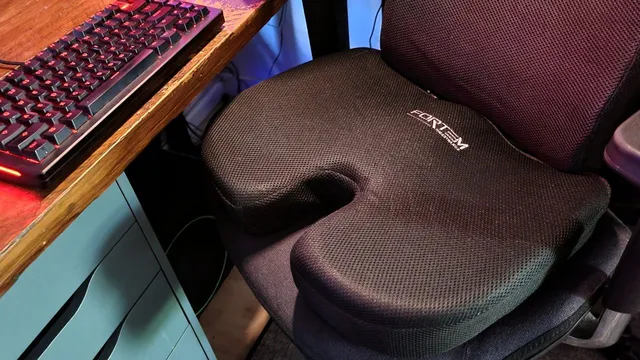
- Audio and peripherals: Comfortable, reliable gear beats flashy RGB. If your wrist hurts or your headset muffles footsteps, you’re handicapping yourself.
Health equals performance
- Micro breaks every 60–90 minutes preserve focus.
- Neutral wrist, relaxed grip, feet flat, eyes level with the top third of the screen.
- Hydration and light snacks prevent late-session slumps. Your brain is your best peripheral, treat it right.
A simple weekly plan
- Daily: 15-minute warm-up, 3–6 focused matches, 5-minute review.
- Twice a week: 30-minute VOD session on your worst pattern.
- Once a week: Settings audit and goal reset based on notes.
- Monthly: Test one small settings change if needed; keep or revert based on results.
The final combo: patience plus intention
Pros aren’t born, they iterate. Lock your settings, set one goal per session, review with honesty, and protect your mindset. Stack tiny wins every day, and you’ll wake up a month from now playing a different game, calmer, sharper, and way higher on the ladder. Ready to queue up with purpose? Your climb starts now.