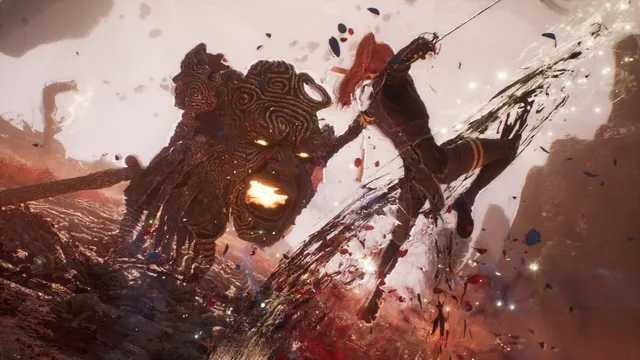
Kojima Says OD Was Called "Crazy" as Xbox Horror Game Gets New Details
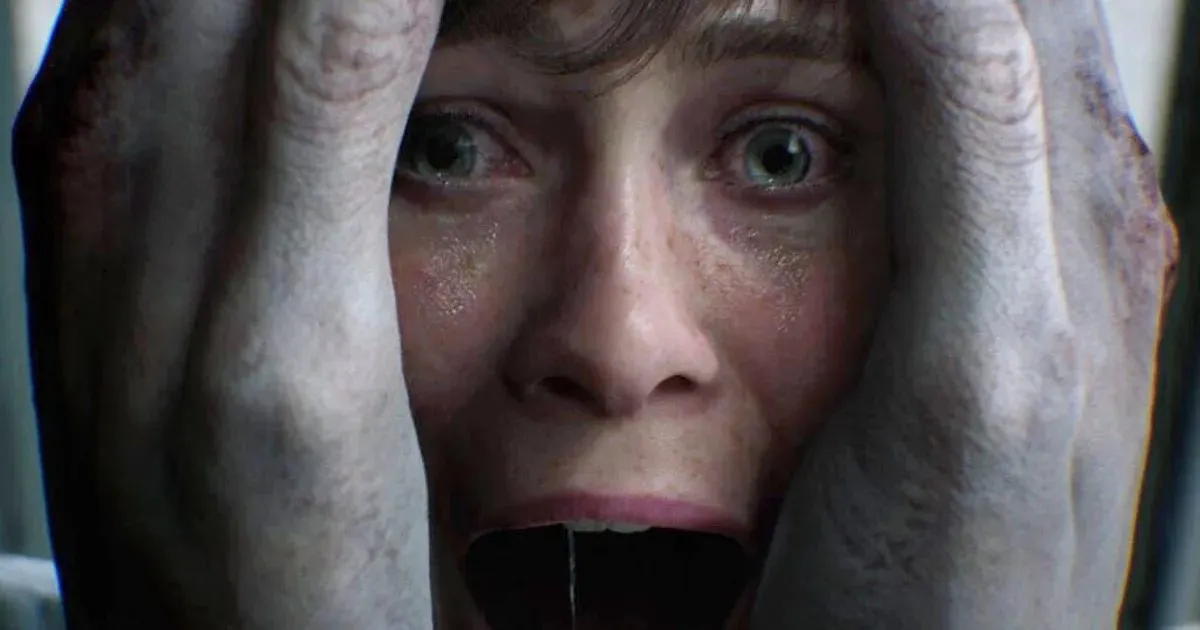
Hideo Kojima’s mysterious Xbox horror project OD is sounding even more ambitious, strange, and unsettling than before, with the legendary creator revealing that many companies initially rejected the idea as simply “crazy.” New comments suggest OD is aiming to push fear further than most games dare, blending game design, cinematic presentation, and experimental storytelling into something Kojima believes could feel completely new for players.
If there is one thing Hideo Kojima has never been afraid of, it is making people uncomfortable with his ideas. Sometimes that means emotionally complex stories, sometimes it means wildly unconventional mechanics, and sometimes it means pitching a horror project so unusual that major companies do not even know what to do with it. That seems to be exactly what happened with OD.
According to Kojima, when he first shared the concept with potential publishing partners, the response was not exactly enthusiastic. He said that many companies, including major players and newer businesses, all reacted in a similar way. They thought the idea was too strange, too hard to understand, and ultimately too risky. In Kojima’s own words, they called him crazy.
For longtime fans, that reaction probably feels more like a badge of honor than a warning sign. Kojima has built a career on taking creative swings that do not fit comfortably into standard genre boxes. OD appears to be another one of those projects. It is not being framed as just a horror game. Kojima has described it as a game, a movie, and also a new form of media all at once. That is a bold claim, even by his standards.
What makes OD especially interesting is that it is not just trying to scare players in the usual way. Kojima says the goal is to go beyond the limits of what horror games have already achieved. That is a huge statement in a genre packed with psychological nightmares, survival horror classics, and jump-scare-heavy modern releases. Instead of simply delivering tense encounters or creepy environments, OD seems to be chasing something more overwhelming and more personal.
The project is still wrapped in mystery, but a few details help paint the picture. OD features a notable cast, including Sophia Lillis, Hunter Schafer, and the late Udo Kier. That lineup alone suggests a strong performance-driven experience, which fits with Kojima’s interest in blending cinematic storytelling with interactive design. There is also involvement from filmmaker Jordan Peele, whose work in horror has consistently mixed fear with atmosphere, social tension, and striking imagery. That creative partnership has a lot of fans curious, because it hints that OD might aim for a kind of horror that lingers in your head, not just one that makes you jump in your seat.
Perhaps the most intriguing new detail is Kojima’s mention of a system designed to help players continue if the game becomes too frightening. He did not explain exactly how it works, likely because the mechanic itself may reveal too much about the experience. Still, it is a fascinating concept. Most horror games challenge players to endure discomfort, but OD might be trying to adapt to that discomfort in real time. That could mean the game is watching how players react, changing pacing, or offering some kind of subtle support without breaking immersion. Whatever it is, it sounds very much in line with Kojima’s love of unconventional systems.
The fact that Xbox ended up backing the project is another notable part of the story. Kojima pointed to Phil Spencer as someone who understood what he was trying to do when others did not. In an industry that often leans heavily on safe bets, familiar sequels, and proven formulas, it says a lot that Xbox was willing to support something this experimental. OD could become one of the platform’s most unique exclusives if it delivers on even part of its promise.
Of course, Kojima is also realistic about the risks. He has openly acknowledged before that some people may hate OD, and honestly, that honesty is refreshing. Truly experimental games tend to divide audiences. If a project is trying to redefine expectations, it is almost guaranteed to frustrate players who want something more traditional. But that same willingness to challenge the audience is often what makes unusual games memorable in the first place.
A newly revealed image from OD has added even more fuel to the speculation. On paper, it sounds almost mundane: a television sitting in a room with no obvious place to sit and watch it. But paired with an ominous figure lurking in a doorway, the scene taps into that weird, uncanny kind of horror where everyday objects suddenly feel wrong. It is the sort of image that does not explain anything, but still makes you uneasy. And that may be the perfect summary of OD right now.
Kojima is clearly entering another busy and creative phase. Alongside OD, he is also working on Physint, an espionage game published by PlayStation that already has fans comparing it to a spiritual successor to Metal Gear. With both projects moving forward, it feels like Kojima is once again exploring opposite ends of his creative spectrum: stealth and espionage on one side, experimental nightmare fuel on the other.
For now, OD remains one of the most mysterious upcoming games in development, but the latest comments make one thing clear: this is not a project interested in playing it safe. It was called crazy, hard to understand, and potentially unworkable. For most creators, that might be a problem. For Hideo Kojima, it sounds like the whole point.