How Assassin's Creed Combat Evolved: Ubisoft's New Video Breakdown
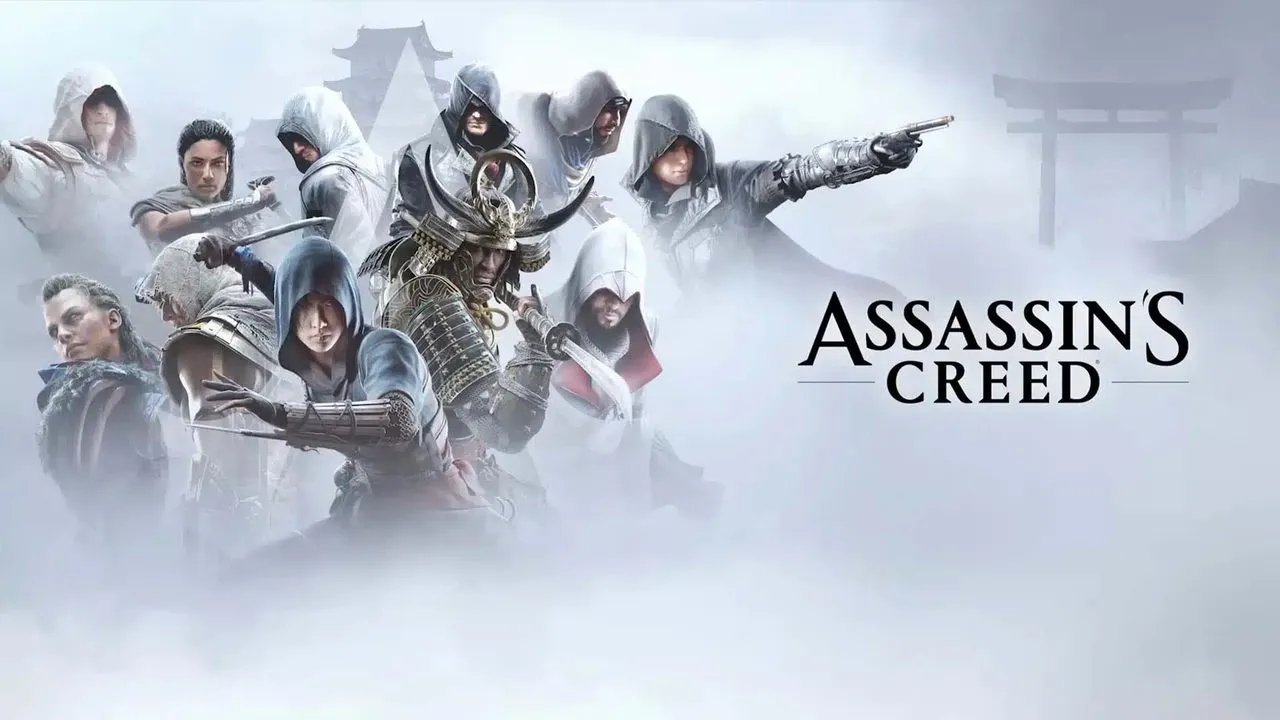
Ubisoft’s latest video takes a tour through the entire history of Assassin’s Creed combat, showing how the series shifted from timing-based counters to full-blown action-RPG systems and then circled back toward stealth-first fundamentals. In this breakdown, we recap the big pivots, highlight what made each era click, and explain why the newest entries feel so different to play, even when they share the same hood and hidden blade.
If you’ve ever bounced between Assassin’s Creed I and Valhalla and wondered, “How did we get here?”, this is your roadmap. The video lays out a clear lineage of ideas: counters and crowd control in the early years, momentum and aggression in the mid-era, and a hearty serving of stats, hitboxes, and stamina in the modern trilogy, before Mirage reminded everyone that slipping past patrols can be even more satisfying than bulldozing through them.
From counters to crowd control: the Altaïr and Ezio years
- Assassin’s Creed (2007) introduced a clean, readable system built around parries and counters. Master the timing and you could turn a mob into a domino line.
- The Ezio trilogy expanded on that DNA with flashier finishers, chaining tools, and faster target switching. It felt slick and empowering, even if veterans could trivialize most encounters with well-timed counters.
A push toward aggression: AC3 and Black Flag
- AC3 kept the counter core but made enemies bolder and animations snappier, nudging players to flow from one foe to the next. New weapons brought variety without rewriting the rules.
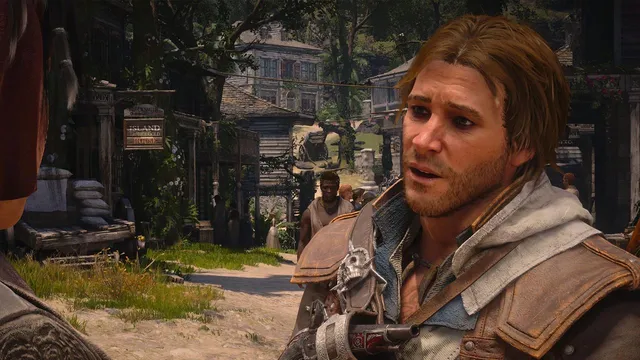
- Black Flag leaned into firearms and pirate swagger. Pairing pistols with blades added burst options and encouraged opening with a shot, then diving into melee cleanup.
Precision spike and recalibration: Unity and Syndicate
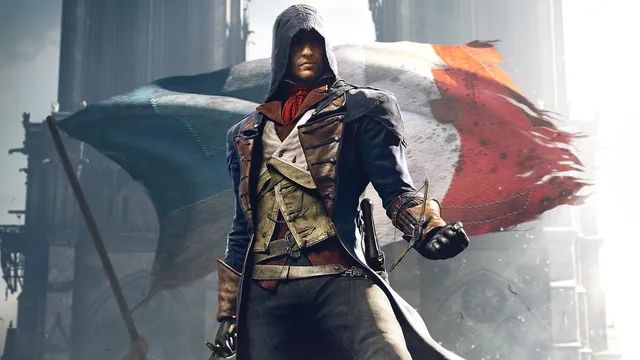
- Unity slowed things down and raised the stakes. More deliberate inputs, tighter timing windows, and deadlier crowds put pressure back on stealth, positioning, and patience.
- Syndicate eased the difficulty curve and quickened the pace again, blending Unity’s weight with the series’ trademark fluidity. The result was punchier brawls that still rewarded savvy play.
The RPG pivot: Origins, Odyssey, Valhalla
- Origins was the big rewrite: hitbox-driven strikes, distinct weapon classes, levels and gear scores, and an ability tree that let you shape builds. Suddenly, enemy level mattered as much as timing, and boss patterns took center stage.
- Odyssey doubled down with more active skills and a broader arsenal. Fights became expressive sandboxes, Spartan kicks off cliffs, AoE burst windows, and a constant chase for synergistic loot.
- Valhalla refined the feel with meatier impact, stamina and guard management, and a heavier emphasis on melee duels. Reading enemy archetypes and managing resources became as important as raw reflexes.
Back to the blade in the crowd: Mirage
- Mirage dialed combat lethality upward and survivability downward to channel players into stealth. Open fights felt risky by design, pushing you to scout routes, isolate targets, and chain clean assassinations with tools and timing.
Two philosophies, one game: Shadows
- Shadows pairs two distinct playstyles under one roof. Yasuke embodies direct, forceful combat, rewarding timing, spacing, and trading blows. Naoe channels the classic assassin fantasy: reading routes, using gadgets, and striking unseen.
- It’s a smart encapsulation of Assassin’s Creed’s identity crisis (in the best way): the joy of being both a blade-in-the-crowd and a storm on the battlefield, depending on who you are and what the moment demands.
Why this evolution works
- Readability first: Across eras, Ubisoft kept telegraphs and enemy roles legible. Whether you’re countering a guard or dodging a brute’s slam, the best fights stay learnable, not just grindable.
- Expression over rote: The more tools and build paths you get, the more “your” combat style matters. That’s what made Odyssey and Valhalla sticky for players who enjoy tinkering.
- Stealth as a pressure valve: Whenever combat risk climbs, stealth shines brighter. Unity and Mirage prove that making open fights scary again revitalizes infiltration.
Tips to make the most of each era
- Know your window: Older titles reward counter timing; modern entries reward dodge i-frames and stamina discipline.
- Play the field: Positioning beats button-mashing. Use corners, elevation, and choke points to control aggro and thin crowds.
- Match tool to target: Smoke for escapes, heavies for shields, interrupts for telegraphed heavies. Swap loadouts if the fight type changes.
- Build with intent: Pick one or two damage types or mechanics (bleed, poison, crit chains) and stack gear around them instead of chasing raw numbers.
- Reset when needed: In stealth-centric games, disengaging is power. Break line of sight, re-establish control, then re-enter on your terms.
What we hope to see next
- Deeper enemy synergy: More combos between enemy types that force on-the-fly prioritization.
- Custom difficulty dials: Separate sliders for stealth detection, parry windows, and resource economy, so every player can tune the experience.
- Training that teaches systems, not just buttons: Playground arenas that surface invincibility frames, block types, and cancel windows.
Assassin’s Creed has come a long way from pristine counters in a city square to dueling bosses with stamina and buildcraft. Ubisoft’s new breakdown is a neat reminder that the series keeps reinventing itself without abandoning its roots. Whether you’re here for the elegant one-shot or the duel that leaves both fighters heaving, there’s a version of Assassin’s Creed combat that speaks your language, and it’s exciting to see the franchise continue to let both styles coexist.