Blue Prince Wins Best International Game at German Computer Game Awards 2026
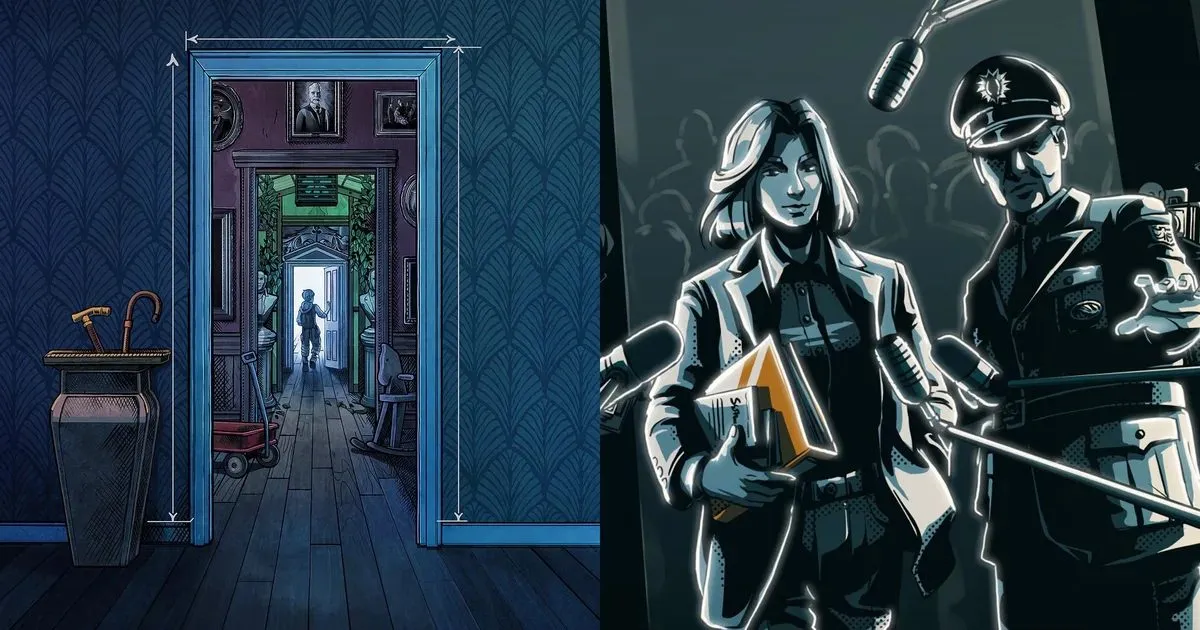
Blue Prince has taken home Best International Game at the German Computer Game Awards 2026, highlighting a night that celebrated both global standouts and the growing strength of Germany’s own development scene. Alongside Blue Prince, The Darkest Files emerged as one of the biggest winners, while several other studios earned recognition for innovation, storytelling, and technical achievement in an awards show that distributed €800,000 across 15 categories.
The German Computer Game Awards 2026 delivered a strong mix of industry recognition, national pride, and momentum for developers working in and around Germany. While Blue Prince grabbed attention by winning Best International Game, the broader story of the night was just how much variety was on display across the full list of winners. From debut projects and prototypes to serious games and technical achievements, the awards painted a picture of a scene that is ambitious, creative, and clearly pushing for a bigger place on the global stage.
For many players, Blue Prince winning Best International Game is the headline that instantly stands out. International categories at national award shows often serve as a snapshot of what games are making waves beyond their home markets, and this win suggests Blue Prince has made a memorable impression. Even without prize money attached to the category, the prestige of the recognition matters. Awards like this can boost a game’s visibility, spark fresh conversation in the community, and help introduce it to players who may have missed it the first time around.
Still, the biggest domestic success story of the evening was The Darkest Files. It picked up Best German Game as well as Best Serious Game, making it one of the night’s most decorated titles. On top of that, it secured a major financial reward, with Best German Game carrying €100,000 in prize money and the title receiving a total of €140,000. That kind of support is significant, especially at a time when studios across the industry are navigating rising costs, shifting audience expectations, and fierce competition for attention.
The win for The Darkest Files also says something about the kind of projects being recognized right now. Serious games sometimes sit outside the mainstream spotlight, but when done well, they can deliver meaningful themes without sacrificing player engagement. Taking both a top national award and a genre-specific win suggests the game managed to connect on multiple levels, both as an important project and as a strong game in its own right.
Another standout from the night was Tiny Bookshop from Neoludic Games, which earned the Newcomer Award for Best Debut. That alone would be a huge moment for any young studio, but the fact that it was also nominated for Best German Game makes the achievement even more impressive. It is always exciting to see a smaller or newer team break through, and this result hints at a bright future not just for the game itself, but for the studio behind it.
Ubisoft Mainz also had a notable showing with Anno 117: Pax Romana, which won Best Innovation and Technology and was additionally nominated for Best German Game. That category tends to shine a light on the more invisible side of game development, the systems, engineering, and design solutions that players may not always notice directly but absolutely feel while playing. A win there suggests that Anno 117: Pax Romana is doing something especially interesting under the hood, which should be encouraging for strategy fans and long-time followers of the Anno series.
Then there is The Berlin Apartment from Blue Backpack, which collected awards for both Best Graphic Design and Best Story. That is a combination many players love to see because it points to a game that is not just visually striking, but also able to leave a lasting narrative impact. Winning both categories suggests a project with a strong creative identity, one that knows exactly what kind of mood, message, and aesthetic it wants to deliver.
In total, the awards handed out €800,000 across 15 categories, underlining how seriously the event takes its role in supporting the games sector. Beyond the trophies, that financial backing can make a real difference, especially for independent studios or teams developing ambitious new ideas. Prize money can help support post-launch updates, future prototypes, staffing, or simply give a studio more breathing room to plan what comes next.
The event is organized by the German Federal Government, represented by the Federal Ministry of Research, Technology and Space, in partnership with the German Games Industry Association, also known as Game. That combination of public backing and industry involvement gives the awards a dual purpose. They are not just about celebrating finished games, but also about strengthening Germany’s position within the broader global games business.
That bigger goal was reflected in comments from Game managing director Felix Falk, who congratulated the winners and highlighted the quality of the titles being produced in Germany. The message was clear: this was not just a night for applause, but a reminder that local studios can compete internationally and deserve continued support if they are going to keep growing.
Taken as a whole, the German Computer Game Awards 2026 felt like more than a simple winners list. It was a snapshot of an industry trying to build momentum, reward creativity, and show that German game development has range. Blue Prince may have won the international spotlight, but the event also made room for thoughtful, experimental, story-rich, and technically impressive projects from across the scene.
For players, that is good news. More recognition for diverse games usually means more chances for unusual ideas to survive, more studios to keep making bold projects, and more reasons to keep an eye on the German development landscape. If this year’s awards are any indication, there is plenty worth watching.