Ex-Mass Effect Boss Reacts to BioWare Closure: "It's Still a Different Feeling
Published today · view counts update daily
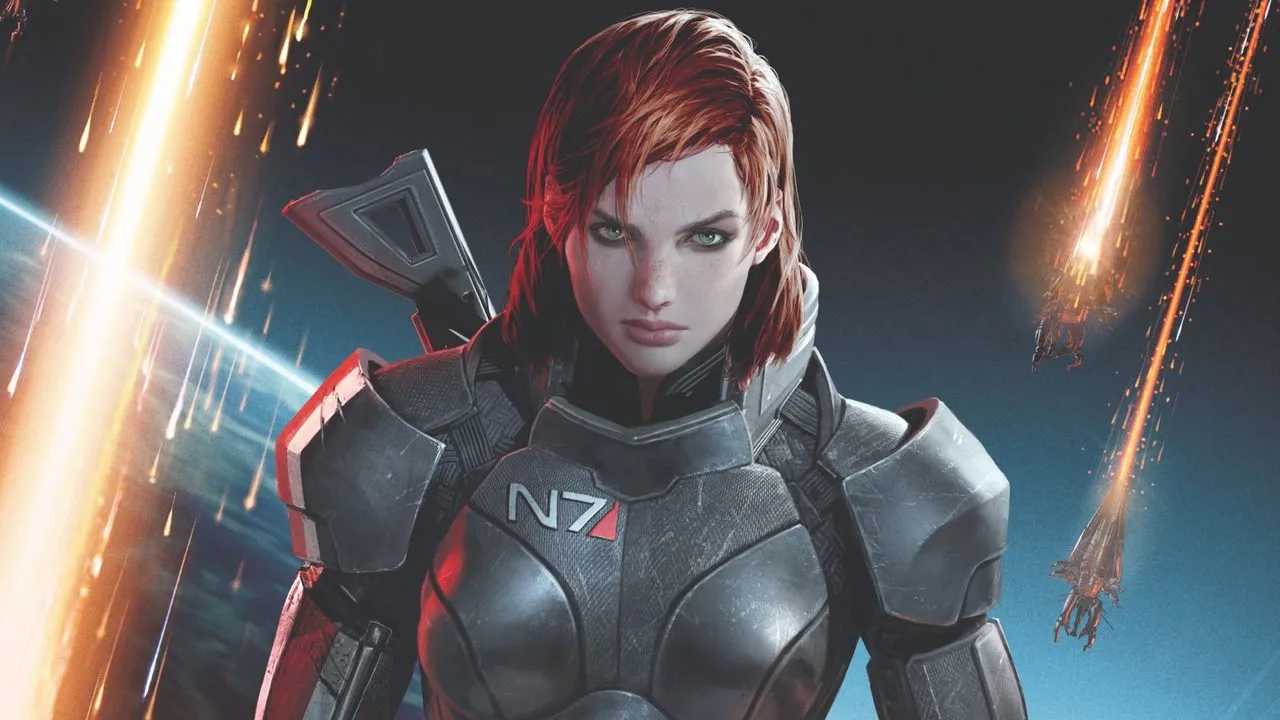
Casey Hudson, the former BioWare general manager and creator of the original Mass Effect, says the studio's closure is still hard to process, even though he and his former colleagues feared it for years. He shared his reaction on The Critical Path podcast, where he also spoke about his hopes for the people still on the team and for the games they built.
BioWare was long a standard-bearer for modern RPG design, the home of Mass Effect, Star Wars: Knights of the Old Republic, and Dragon Age. For many players it looked like a studio that could weather any storm, which makes the closure land harder.
Hudson's history with the studio is a complicated one. He left BioWare in 2014 and landed at Microsoft for a stretch, then returned to upper management in 2017 before departing again in 2020. On the podcast, he explained why he came back as general manager: "Part of the reason I came back and wanted to be GM of the studio, and was interested in that, was because I've just got so many friends there and I love the studio." He said he wanted to do whatever he could during his time there "to try and set it up for some kind of longevity."
That effort did not pay off in the end, and Hudson admitted the finality is different from the worry that preceded it. "There are things that you think are just going to last forever," he said. "But I think that even though we all worried that the day would come when it would get shut down, it's still a different feeling to realize that it is actually closed."
The warning signs had been visible for a while. Mass Effect: Andromeda received a rocky reception, and Dragon Age: The Veilguard took years to make before getting a muted response. Results like those can make any studio hard to sustain. Even so, what has been heard about Mass Effect 5 suggested the team had the right ideas, and Hudson says he is among those wondering whether any version of that game will ever see daylight. EA could sell the franchise to another company, though it could just as easily keep the dormant IP to itself.
For now, Hudson's concern is with the people. "It's very difficult," he said, "especially for folks that I know that are on that team. I think everyone's just hoping there's some way forward, both individually for folks in their careers, but also for the great games that BioWare made."