Ex-Disney CEO Can't Remember Greenlighting Kingdom Hearts
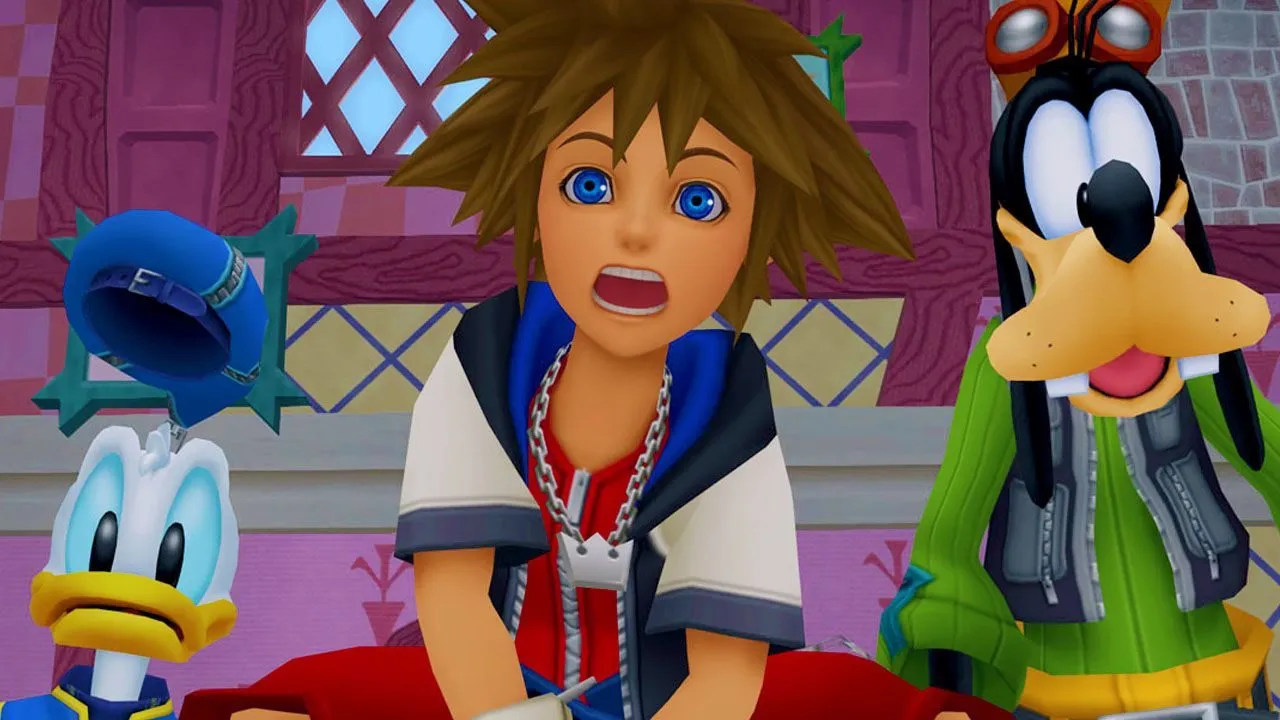
It is not every day that one of gaming's most unlikely crossover stories gets an even stranger footnote, but that is exactly what happened here: former Disney CEO Michael Eisner apparently barely remembers Kingdom Hearts, and cannot recall why he approved the project in the first place. For fans of the long-running JRPG series, this adds a hilarious layer to a franchise that already feels impossible on paper, a mashup of Disney icons, Final Fantasy style, oversized emotions, giant keys, and enough lore to make even veteran players pause and ask what is going on.
The idea that Kingdom Hearts was ever approved at all still feels a little surreal. This is a series where Mickey Mouse is treated like a legendary figure, Donald and Goofy are full-time party members, and original anime-inspired heroes battle cosmic darkness across Disney worlds. Today, crossover culture is everywhere, but Kingdom Hearts arrived before the current era of giant brand mashups became normal. Back then, this kind of collaboration felt much riskier, and much weirder.
That is what makes Eisner's comments so fascinating. According to the story, he did not immediately remember Kingdom Hearts by name. It only clicked once it was described as the project that combined Final Fantasy with Disney characters. Even then, when asked why he gave it the green light, his answer was simple: he does not remember. It is a brutally honest response, and honestly, it is also pretty funny.
For Kingdom Hearts fans, there is something almost poetic about that. The series itself often feels like a dream someone had after staying up too late, replaying JRPGs and watching Disney movies back to back. The fact that even the executive who approved it cannot fully explain why it happened somehow fits the vibe perfectly. Kingdom Hearts has always lived in that strange space between corporate decision and pure magic.
The origin story behind the franchise has become gaming legend over the years. Tetsuya Nomura and Shinji Hashimoto were exploring ideas for a new game, reportedly inspired in part by the freedom and movement of Super Mario 64. Then came the famous elevator encounter with a Disney executive, a meeting that helped start conversations leading to what would become Kingdom Hearts. It sounds almost too neat to be true, like one of those industry myths that gets repeated because it is too good not to. But in this case, the result was real, and it changed gaming history.
What makes the whole thing especially wild is how protective Disney usually is with its characters and worlds. Letting another company build a deep action RPG around those characters, then allowing them to be woven into a dramatic original story, was not a small decision. Kingdom Hearts did not just borrow Disney imagery, it turned Disney worlds into key parts of its emotional and narrative identity. That trust led to one of the most distinct franchises in modern gaming.
Of course, the series has grown far beyond that original pitch. Kingdom Hearts is no longer just a bizarre experiment from the PlayStation 2 era. It is a full-blown franchise with sequels, handheld entries, remixes, side stories, and enough lore discussion to fuel forums for years. Ask any fan to explain the timeline and you will probably get a deep breath, a long pause, and then a 20-minute monologue involving hearts, Nobodies, time travel, and at least one chart.
That enduring weirdness is part of the appeal. Kingdom Hearts succeeds because it commits fully to its style. It is sincere, dramatic, goofy, messy, and emotionally huge. One minute you are teaming up with beloved Disney characters, the next you are trying to unpack a speech about memory, identity, and darkness from a silver-haired villain who sounds like he knows more than everyone else in the room. It should not work, and yet it absolutely does.
Eisner forgetting the reason he approved it does not make the series feel less important. If anything, it highlights how unpredictable gaming history can be. Some of the most beloved franchises are not born from perfect planning or a crystal-clear vision at the executive level. Sometimes they happen because the right creators have a bold idea, the timing lines up, and someone at the top says yes. Even if they later forget why.
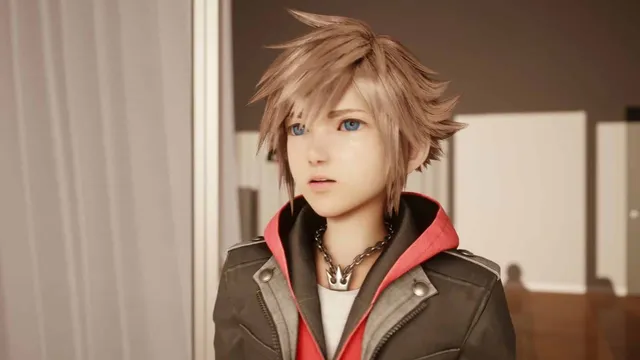
With Kingdom Hearts 4 on the horizon, fans are once again gearing up for the next chapter in this wonderfully chaotic saga. Expectations are high, curiosity is even higher, and the community is ready for another round of trailers, theories, and emotional damage. That is just the Kingdom Hearts cycle at this point.
In the end, maybe the funniest part of this whole story is that Kingdom Hearts has become so much bigger than any one executive's memory of it. It outgrew its pitch, outlasted industry trends, and built a passionate fanbase that has stuck with it through every confusing twist and every heartfelt reunion. Whether Disney's former CEO remembers the details or not, players definitely do.
And really, maybe that is the most Kingdom Hearts outcome possible. A legendary crossover was approved for reasons lost to time, then went on to become one of gaming's most beloved and baffling adventures. If that is not the power of friendship, destiny, and improbable game development, what is?