Did The Mandalorian and Grogu Just Commit a Hutt Genocide?
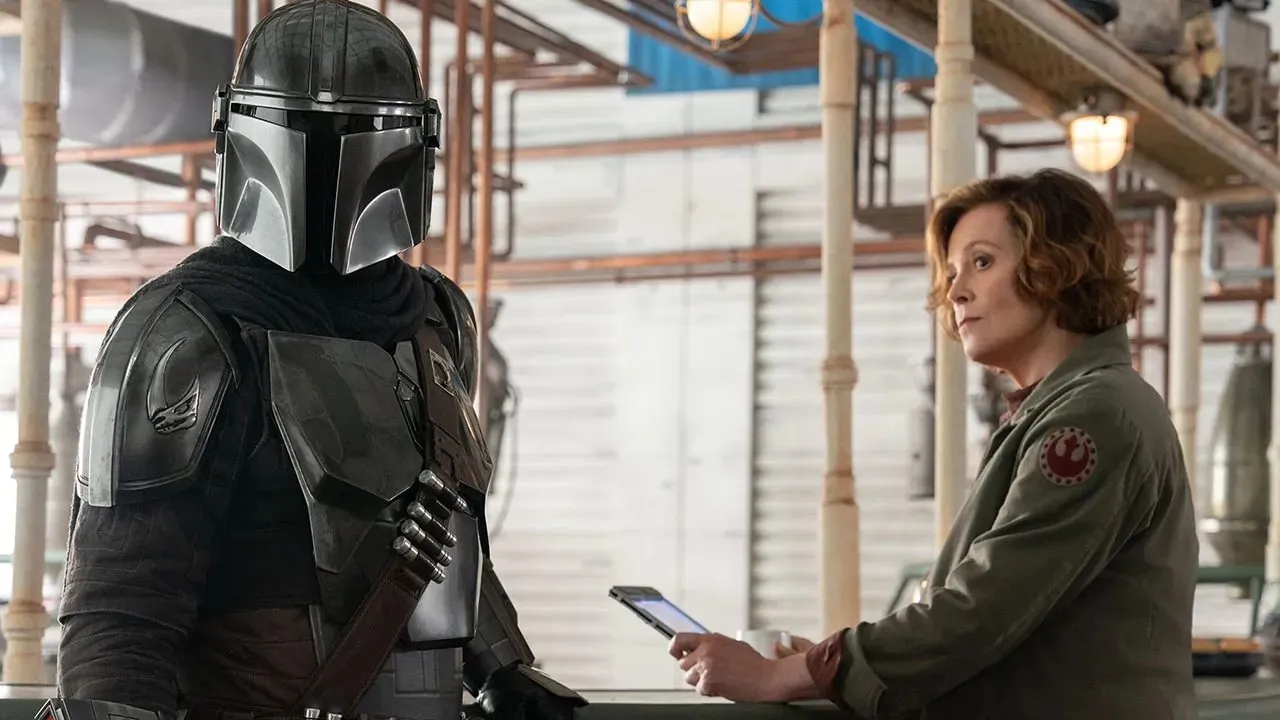
The ending of The Mandalorian and Grogu delivers the kind of explosive Star Wars climax fans expect, but it also leaves behind a surprisingly messy question: did the heroes just help wipe out an entire Hutt stronghold in the name of stopping two villains? That uneasy tension between crowd-pleasing action and the collateral damage it implies turns the finale into one of the most hotly debatable moments in recent Star Wars storytelling.
A wild final act with a weird aftertaste
For most of its runtime, The Mandalorian and Grogu seems happy to be a breezy space adventure. Din Djarin and Grogu bounce from one problem to the next, trading danger for comedy and cool set pieces like only Star Wars can. Even the presence of Hutts gives the movie a strange, larger-than-life energy, leaning more into pulpy chaos than heavy drama.
That makes the climax on Nal Hutta stand out even more.
The central rescue mission is simple enough on paper. Rotta the Hutt needs saving, the Twins are the clear villains, and Mando has to improvise his way through another disaster with Grogu at his side. It sounds like classic Mandalorian material. But once the fighting escalates, the movie goes from scrappy survival to full-on annihilation mode. Mando calls in air support, the New Republic arrives, and the Hutt stronghold gets blasted apart in spectacular fashion.
As a big-screen moment, it absolutely works. It is loud, cinematic, and designed to make the audience cheer. But the second you stop to think about it, the scene gets a lot murkier.
The big question: who was actually in that building?
The movie earlier establishes the Hutt compound as a populated place, not just a villain headquarters. We see it as a living environment packed with Hutts lounging around, feasting, and generally existing as a wealthy, disgusting criminal elite. The Twins may control the place, but they do not seem to be the only residents by a long shot.
So when the New Republic reduces the entire structure to rubble, the obvious question becomes: were there still dozens of Hutts inside?
That is where the movie gets frustratingly vague. During the final battle, the focus narrows almost entirely to action beats, droids, escape plans, and hero shots. We do not get much visual confirmation about the fate of the rest of the compound’s inhabitants. The film seems to want viewers locked into the momentum of the escape rather than asking who might still be under all that debris.
And that is exactly why fans are debating it.
Why this hits differently in Star Wars
Star Wars has always had a funny relationship with scale. Heroic victories often involve giant explosions, and giant explosions usually mean a lot of unseen deaths. The original trilogy made that part of its language. Blow up the Death Star, cheer for the heroes, roll credits. But over time, fans and expanded stories have pushed harder on the moral implications of those moments.
That has changed the way audiences watch these movies.
These days, it is harder to ignore collateral damage just because the soundtrack is swelling. Franchises like Star Wars have spent years exploring moral gray zones, especially in stories that focus on rebellion, occupation, and wartime sacrifice. Viewers now expect at least some awareness of consequence, even in lighter entries.
That is why the ending of The Mandalorian and Grogu feels oddly out of sync with itself. The movie mostly plays like a fun family-friendly adventure, but the final strike carries implications far darker than the tone around it.
Is this just a filmmaking shortcut?
Honestly, probably.
The simplest explanation is that the scene is built for emotional payoff, not political analysis. The stronghold explodes because that is the most exciting possible punctuation mark for the ending. It makes Mando look clever, gives the New Republic a dramatic entrance, and sends the audience out on a rush.
From a pure blockbuster perspective, that makes sense.
But action scenes do not exist in a vacuum anymore, especially in a franchise where every detail gets examined frame by frame. If the movie wants us to believe this was a clean military strike against a corrupt pair of Hutt rulers, it probably needed one extra moment to show that civilians or bystanders were gone.
A single line of dialogue could have solved a lot. Something like an evacuation warning, a mention that the other Hutts fled, or confirmation that only battle droids remained would have gone a long way. Instead, the movie leaves a silence big enough for uncomfortable interpretations to rush in.
The best defense of the ending
To be fair, the film does offer a possible visual out.
In the final stretch, the stronghold appears to be filled mostly with droids rather than lounging Hutt residents. That could imply the broader population had already evacuated, either because the Twins cleared the area for military operations or because everyone smart enough to survive a Hutt power struggle left before things got worse.
If that is the intended reading, then the New Republic did not obliterate a whole civilian population. They destroyed a hostile fortress that had already been militarized.
That interpretation makes the ending much easier to accept. The problem is that the movie never underlines it strongly enough to remove the doubt. Viewers are left doing cleanup work the script should have handled itself.
Why fans will keep talking about it
This is exactly the kind of weird franchise moment that lives forever in fan circles. It is not just about whether the heroes did something morally wrong. It is about tone, presentation, and the gap between what a movie shows and what it means.
When Star Wars is at its best, it can hold adventure and consequence in the same hand. It can give you thrilling action while still respecting the cost of conflict. Here, the balance feels off. The ending wants applause, but it accidentally invites scrutiny.
And maybe that is part of the fun. Star Wars fandom has always loved taking these giant mythic moments and asking awkward practical questions. Who was on the station? Who was in the city? Who was in the palace when it blew up? The bigger the explosion, the bigger the debate.
Final verdict
Did The Mandalorian and Grogu portray a mini Hutt genocide? Probably not intentionally. The movie seems to want viewers to assume the stronghold had already been emptied of everyone except enemy forces. But because it fails to clarify that point, the ending lands with more moral chaos than the filmmakers likely meant.
It is still a crowd-pleasing finale. It is still very Star Wars. But it is also the kind of sequence that gets stranger the longer you think about it. And in a franchise built on endless rewatching and endless debate, that means this moment is not going away anytime soon.
If nothing else, it proves once again that in Star Wars, even the cleanest heroic win can leave behind a really messy crater.