Enshrouded Forging the Path: Adventure Sharing, Combat Overhaul & More
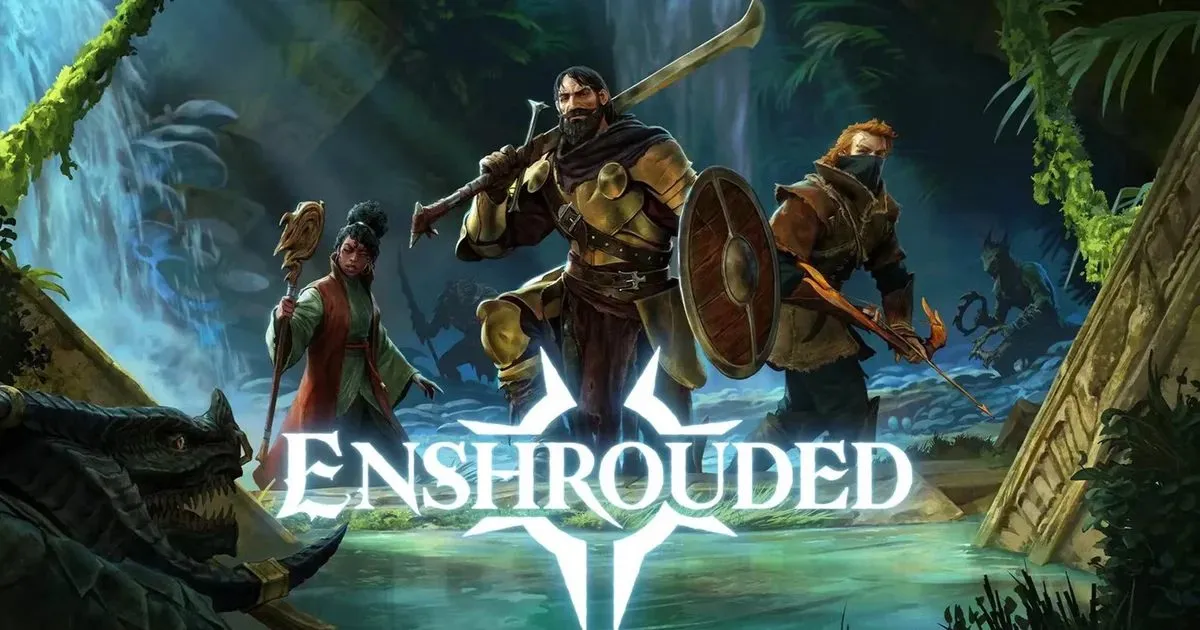
Enshrouded’s Forging the Path update is a big swing: Adventure Sharing lets you upload and browse player-made creations, combat gets a sharper edge with a new focus meter and universal heavy attacks, enemy AI becomes savvier, the skill tree is overhauled for better progression, and the early game receives smoother onboarding. It’s the kind of patch that reframes how you play, whether you’re building set pieces for friends or redefining your go-to combat build.
The headline: Adventure Sharing If you’ve been crafting castles in the clouds, designing lethal obstacle courses, or sketching out moody dungeons, this is your moment. Adventure Sharing opens up a new lane for creators and explorers alike. You can now package your builds and share them with the community, turning your private projects into public challenges, hubs, or showpieces.
There are guardrails in place for now. Think of shared adventures as curated tours rather than full-fledged play sessions. Progression is intentionally limited, no XP gains, no scooping up loot, and enemy interactions are currently disabled or restricted. That means the spotlight stays on your environment design, puzzles, platforming lines, and the atmosphere you can conjure. It’s perfect for creators chasing a theme: a haunted forest walk, a verticality-driven parkour route, or a puzzle gauntlet that tests brain over brawn.
Why this matters:
- It validates builders. The time you spend on details now has a wider audience.
- It encourages bite-sized experiences. Not every adventure needs to be a 30-hour saga.
- It’s a foundation for the future. The path to 1.0 hints at broader interaction down the line, so refining your design chops early will pay off.
Combat, reforged: focus, heavies, and smarter enemies Combat isn’t just “feel” in a survival game, it’s the rhythm that binds exploration and progression. Forging the Path turns that rhythm into a defined cadence.
-
Focus meter: As you engage in battle, you’ll charge a focus resource. Once it’s topped off, you can unleash a weapon-specific special. Treat this like a tempo switch: weave in fundamentals, build meter, then cash out for momentum or a clutch turnaround. Bosses, minibosses, and ambushes are where this will sing.
-
Heavy attacks for all: Every weapon class now gets access to a heavy swing. In exchange for slower movement and a wider opening, you’ll land significantly chunkier hits. The key is discipline, don’t spam heavies into a shield wall or a lunging foe. Pair them with staggers, windows you create by baiting attacks, or moments when focus is ready to seal the deal.
-
Ears to the ground, eyes on you: Enemy AI is more reactive to sound and line of sight. That means clanking around, sprinting carelessly, or whiffing a combo might draw attention. The upside? Enemies don’t magic-call backup from miles away. If they can’t see you, they’re less likely to escalate. Stealth players finally have a real lane: use cover, manage noise, and break vision to peel apart groups.
The result is a combat loop with clearer peaks. Light strings and positioning to build focus; a well-chosen heavy to capitalize; a timed special to flip the fight. If you’ve been coasting on one-note swing patterns, it’s time to lab.
Skill tree shake-up: cheaper on-ramps, stronger ceilings Progression sees notable changes that make early decision-making less punishing and high-end specialization more impactful.
-
Lower-tier accessibility: Early nodes generally cost less, making it easier to establish a baseline identity without sinking hours before you feel “online.” That’s great for new players and alt characters.
-
Upgradable skills: Many abilities now grow after the initial unlock. It’s a subtle but powerful shift, your build evolves alongside your gear instead of hard-capping too soon.
-
Rebalanced curve: Baseline skills trend slightly weaker, while end-tier picks are at least as strong, often stronger. In practice: generalists get on their feet quicker; specialists hit higher highs once the tree opens up.
Recommended build paths to try:
- The Silent Cutter: Mobility and stealth perks, a dagger or light blade, and careful noise management. Use light attacks to bank focus, then detonate with a precise special or a surgical heavy from behind.
- The Bulwark: Shield-centered play with stamina sustain and heavy-attack synergy. You’re the rock, bait swings, punish with heavies, and cash focus to control space.
- The Arcstrider: Ranged or hybrid caster with movement boosts. Focus becomes your escape hatch or burst window; plug the downtime with kites, traps, and smart positioning.
Smoother early game: less friction, more clarity Onboarding is easier now. Tutorials are clearer, key resources are more abundant where you need them, and early XP pacing reduces that “stuck on the first rung” vibe. The message is simple: get you to the fun faster. Whether that’s your first shelter, your first risky expedition, or your first community build, the path is less grind and more guidance.
If you’re returning after a hiatus, consider a fresh start or at least a respec to feel the new pacing. You’ll sense the difference in the first few hours, more options sooner, fewer dry spells between milestones.
Creator’s corner: designing for Adventure Sharing With progression disabled in shared adventures (for now), design challenges that stand on their own legs. Great shared adventures usually have:
- A defined theme: Pick one pillar, verticality, darkness and light, elemental hazards, or a traversal gimmick, and polish everything around it.
- Readable checkpoints: Don’t bog players down with confusion. If you want them to find a secret path, breadcrumb it with environmental cues.
- Reset-friendly loops: Expect retries. Make sure falls or failures don’t mean a five-minute trek back. Smart staging keeps frustration low.
- A signature moment: One room, set piece, or encounter puzzle that players will talk about afterward. That’s your calling card.
Combat tips for Forging the Path
- Learn your weapon’s special: The focus payout isn’t interchangeable. Practice in safe fights until you know when to trigger it without wasting it.
- Respect stamina: Heavies punish overcommitment. If you’re winded, you’re vulnerable. Weave in light strings and disengages.
- Sound matters: Swap loud armor for stealthier sets when scouting. Walk instead of sprint when you’re close to a camp.
- Break sight lines: If things go loud, create space, use terrain, and reset aggro. The AI’s new behavior rewards players who can disappear.
- Respec with intent: The rebalanced tree wants you to specialize. It’s okay to pivot now that top-end picks hit harder.
Why this update lands Forging the Path strikes a smart balance. Creators get tools that finally put their work in the spotlight. Fighters get a renewed loop with bigger payoffs and smarter opposition. New players get more momentum. And the whole package feels like groundwork for even bigger systems to click into place over time.
If you’re here to build, you’ve got an audience waiting. If you’re here to battle, there’s a new dance to learn. Either way, this patch makes Enshrouded feel more intentional, a game leaning into what it does best, while paving room for players to do the same.
So, what’s your first move? Whip up a bite-sized platforming trial and share it with friends, or hit the wilds with a new build and see how the focus-heavy loop treats you. Me? I’ll be stress-testing a stealth tank with a shield the size of a door. Heavy swings, quiet feet, and one very loud grin when that focus bar pops.