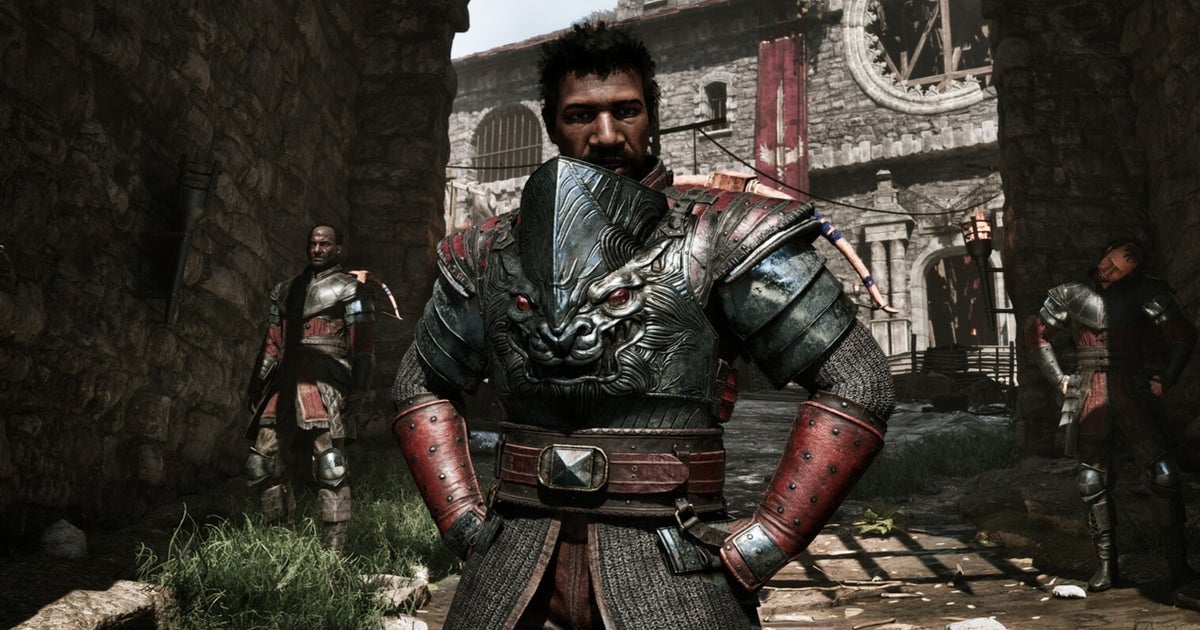
The Gothic 1 Remake is shaping up to be far more than a simple visual overhaul, and Alkimia Interactive’s latest explanation of its combat design makes that clear. The studio is aiming to preserve the brutal, deliberate feel that made the original such a memorable RPG while updating the system for modern expectations. That means fights that are still punishing and tactical, but also more readable, responsive, and satisfying in motion.
Remaking a classic is never easy, especially when that classic has such a fiercely loyal fanbase. Gothic has always stood apart from other RPGs thanks to its rough, dangerous world and its combat system that demanded attention instead of button mashing. Every encounter in the Colony carried risk, whether you were fending off scavengers in the wild or staring down far deadlier enemies deeper into the world. That identity is exactly what Alkimia Interactive seems determined to protect.
According to the studio, the remake’s combat is being built on the same core philosophy as the 2001 original. That is great news for players who feared the remake might trade Gothic’s hard-edged personality for something too streamlined or overly cinematic. The goal is not to turn Gothic into a completely different action RPG. Instead, the developers want to modernize the feel of combat without losing the sense that every fight must be earned.
One of the most interesting elements is the continued focus on character growth through animation and weapon handling. In the original Gothic, the Nameless Hero did not instantly fight like a master swordsman. Early on, he looked awkward, clumsy, and inexperienced. That was not just a visual quirk. It was part of the progression. As the character trained and improved, his movement and attacks became more confident and effective. Alkimia is keeping that idea alive in the remake, and that decision feels absolutely right for Gothic.
This kind of progression is more meaningful than simply watching numbers go up on a stat screen. When your character visibly changes the way he holds and swings a weapon, you feel the journey from weak outsider to capable survivor. It gives combat a strong sense of role-playing identity. You are not just unlocking damage upgrades. You are watching the Nameless Hero become someone who belongs in the Colony’s brutal pecking order.
The remake also appears to put a strong emphasis on timing and tactical decision-making. That should be welcome news for players who enjoy combat systems with weight and consequence. Instead of encouraging frantic input spam, Gothic 1 Remake wants players to think about attack direction, defense, and rhythm. Blocking matters. Choosing the right moment to strike matters. Reading enemy behavior matters. In a genre where many games drift toward flashy but forgiving combat, this more grounded approach could help Gothic stand out once again.
Equally important is the feedback of the fights themselves. Alkimia has highlighted stronger enemy reactions, impactful staggers, and satisfying parries. These details may sound small on paper, but they can make a huge difference in how combat feels from moment to moment. A brutal world needs brutal feedback. If a sword lands cleanly, it should feel heavy. If a block is timed well, it should feel like a real defensive success rather than a soft animation transition. Good combat is not only about mechanics under the hood. It is about convincing the player that every clash has force behind it.
That focus on impact fits Gothic perfectly. The Colony was never a glamorous fantasy setting. It was dirty, hostile, and unforgiving. Combat should reflect that same atmosphere. You should not feel like an untouchable hero spinning effortlessly through crowds. You should feel vulnerable, scrappy, and constantly aware that even a small mistake can put you in serious trouble. If the remake captures that tension, it will be doing something very special.
Another detail that sparked curiosity is the brief tease that the game will include boss fights. That short mention raises a lot of questions. Gothic was never mainly remembered for huge cinematic boss spectacles, so it will be interesting to see how Alkimia handles these encounters. If done well, bosses could become major tests of everything the combat system is trying to teach: patience, timing, positioning, and growth. If they stay true to Gothic’s grounded identity, these fights could be memorable without feeling out of place.
Perhaps the biggest challenge for the remake is balancing nostalgia with accessibility. Longtime fans want the soul of the original. Newcomers want controls and responsiveness that feel natural on current hardware. That is a narrow path to walk, but the latest combat details suggest Alkimia understands the assignment. The team does not seem interested in sanding off every rough edge. Instead, it is trying to reinterpret the original design in a way that keeps its spirit intact while making it playable and engaging for today’s audience.
That might be the smartest possible direction. Gothic never became beloved because it was the easiest RPG on the market. It became beloved because it had personality, tension, and a world that demanded respect. If the combat remake can deliver that same feeling with cleaner execution, better animation feedback, and stronger mechanical clarity, then players may be in for something special.
Gothic 1 Remake is set to launch on June 5 for PlayStation 5, Xbox Series X/S, and PC. For fans of old-school RPG grit, this latest look at combat gives plenty of reasons to be optimistic. The Colony is still harsh, still dangerous, and if Alkimia gets this right, still ready to punish anyone who walks in unprepared.