Cody Rhodes Got a Nintendo Cease and Desist Over His Zelda Triforce Tattoo
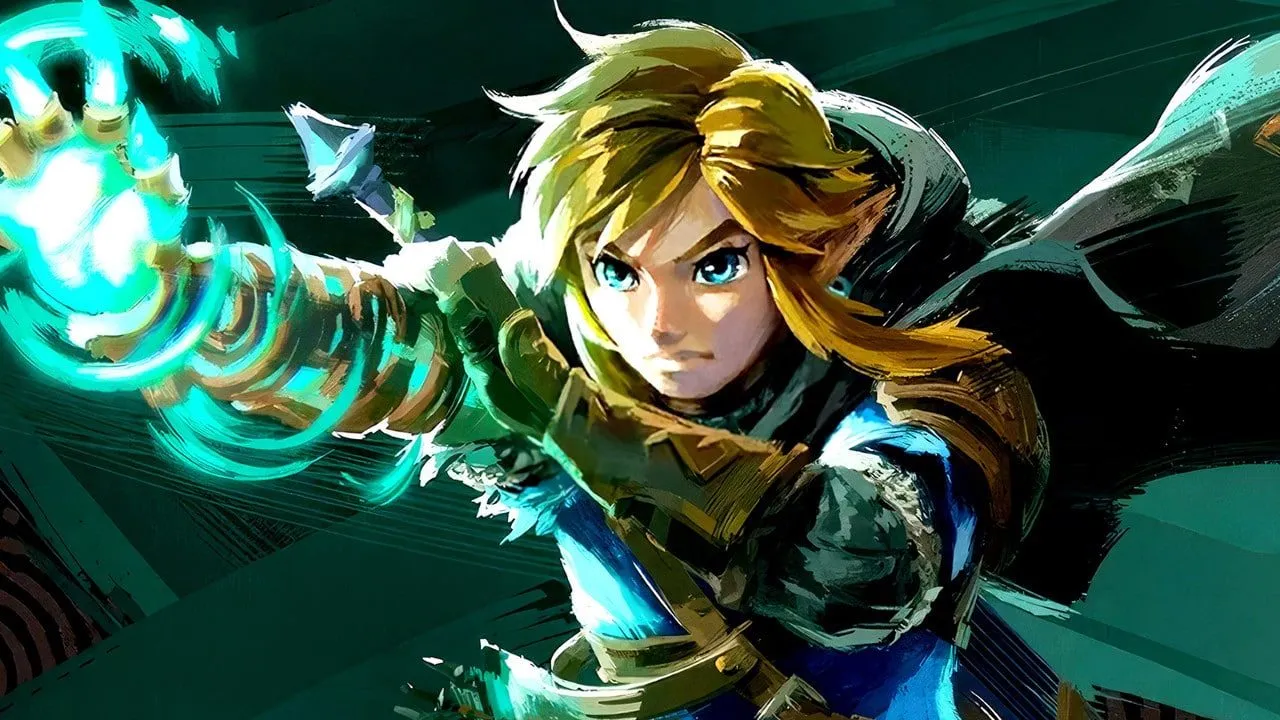
Cody Rhodes revealed on a podcast that his love of The Legend of Zelda once earned him mail from Nintendo. The WWE star used the famous Triforce symbol on his wrestling boots for years, and still wears it as a tattoo on his ring finger. The story is an entertaining reminder of how closely gaming fandom, personal identity and big brands can sometimes collide.
When people think of wrestling superstars, championship belts, big entrances and legendary feuds usually come to mind first. Cody Rhodes brings something else into the ring as well: he is very obviously a genuine nerd. Not mildly so, either, but with the kind of enthusiasm you recognise instantly if you have carried certain games around in your heart for years.
That is exactly what his Zelda story is about. Rhodes talked about how much the Triforce symbol means to him. For a lot of fans it is simply an iconic mark from one of the best known series in gaming. For him it clearly runs deeper. He associates it with power, courage and wisdom, the very principles that have sat at the centre of the Zelda universe for decades.
That is really the part that makes the story so likeable. It is not just a celebrity thinking a gaming motif looks cool. Rhodes describes the Triforce more like a personal guiding theme. Wisdom as the ability to learn from experience. Power as ambition and the will to hold your own in a hard, competitive world. And courage as the decisive step of actually taking things on. Anyone who follows wrestling will recognise how well that reading fits his profession.
What makes it especially interesting is that Rhodes did not keep the symbol to himself. He reportedly wore it visibly on his wrestling boots for years. That is a very different proposition from hanging a poster at home or wearing a fan shirt. As soon as a protected symbol turns up in a professional, public and commercial context, it becomes relevant to rights holders quickly. That is where Nintendo came in.
According to Rhodes, he received a cease and desist. That sounds dramatic at first, but by his account it was considerably less confrontational than you might expect. He stressed that the message was friendly and polite. Nintendo was not hunting anyone down, it simply made clear that using the symbol that way was not acceptable.
That fits the familiar debate that comes up around big brands again and again. Fans love showing their enthusiasm openly. Companies want to protect their trademarks at the same time. Both are understandable from their respective positions. Nintendo in particular is known for watching its best known brands and symbols very closely. To fans that can look excessively strict, but from a corporate perspective it is often simply part of trademark protection.
The striking thing is that Rhodes apparently holds no grudge. Quite the opposite: his words sound like he took the whole thing in good humour. That makes the story more charming still. Instead of turning it into a grand feud between a wrestler and a games company, what sticks is the anecdote that a superstar lived out his Zelda passion so openly that Nintendo eventually took notice.
An older statement from Rhodes shows this was not a passing fan moment either. Years earlier he had mentioned that he replays A Link to the Past regularly. For Zelda fans that is an immediately powerful admission. Anyone who fires that game up every year does not have a superficial connection to the series. That is genuine long-term devotion. A Link to the Past is still regarded by many as one of the great classics of the genre, and it says a lot about Rhodes that this is the title he keeps singling out.
Plenty of gamers know that kind of ritual only too well. Some replay the same favourite every year, revisit old soundtracks, or return to familiar worlds when new releases are not casting quite the same spell. It is more than nostalgia. It is a reunion with something that has kept you company for years. That is exactly why Rhodes' story reads as so relatable well beyond wrestling.
On top of that, Zelda is apparently not his only nerd passion. He is also a fan of Metal Gear, Star Wars and comics. That may explain why his public persona feels so approachable to a lot of people. He is not just an athlete who once happened to mention a game. He clearly carries that enthusiasm into his daily life and into how he presents himself.
In wrestling, that works particularly well. Wrestling thrives on larger personalities, clear imagery and symbols. When someone is also open about their pop culture and gaming influences, it makes them instantly more interesting to a certain audience. Fans love it when their hobbies overlap. A wrestler who plays Zelda, celebrates Metal Gear and wears comic-inspired outfits automatically feels like someone you can connect with on a completely different level.
In the end, the story of the Triforce tattoo and the letter from Nintendo is not a major controversy so much as an amusing reminder of how strongly games can shape people. For Cody Rhodes, Zelda is evidently not just a game but part of his identity. And honestly: when a symbol from a video game stays with you long enough that it ends up on your boots and then gets tattooed on you, that is about the clearest fan statement anyone can make.
For gaming fans, one nice thought lingers above all: even in the world of pro wrestling, where everything is loud, bombastic and larger than life, classics like Zelda still have their place. Sometimes right in the middle of the ring.