Beast of Reincarnation Review: Beautiful World, Shallow Combat
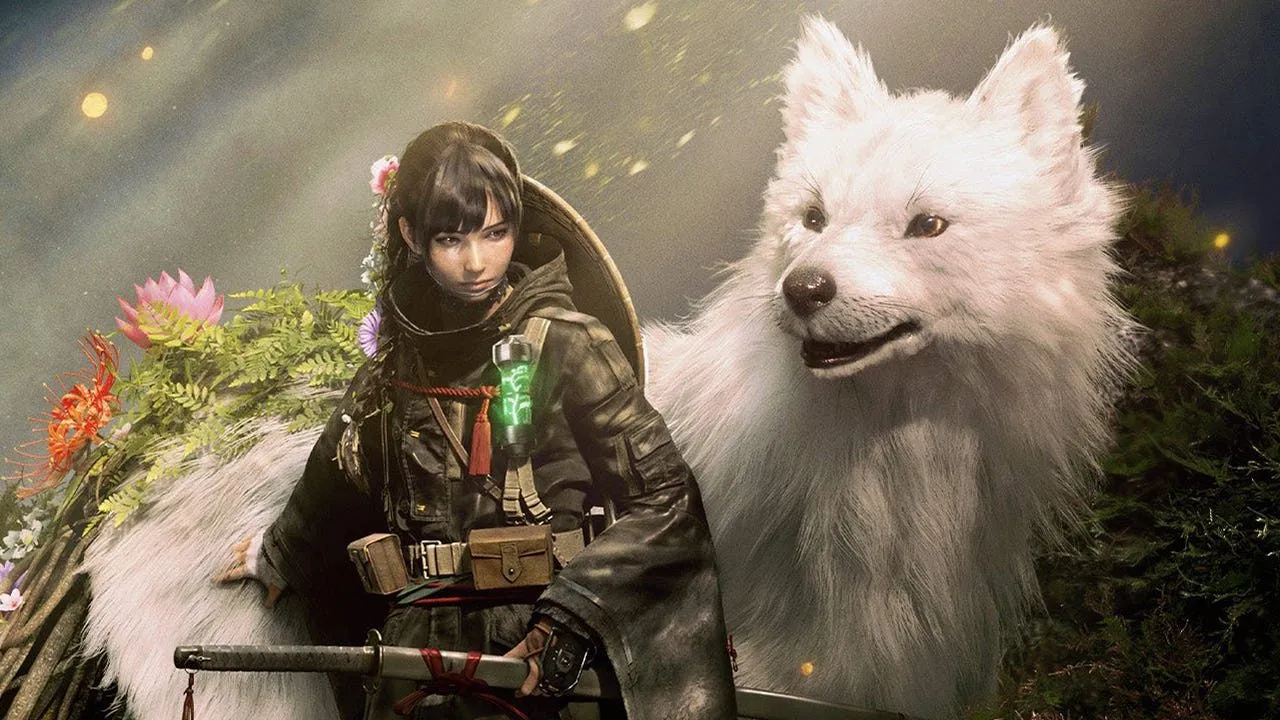
Beast of Reincarnation presents a striking apocalyptic world, a strong central companion in the wolf Koo, and flashes of stylish action, but those strengths rarely develop into a consistently satisfying RPG. Across a roughly 35-hour campaign, the game leans on repetitive combat, limited enemy variety, and a story built from familiar genre ideas that never lands with much force.
The pitch is easy to like. Beast of Reincarnation blends a fast action system with a JRPG structure, pairing ruined environments reclaimed by nature with swordplay, magic, and oversized diseased monsters. As Emma, a katana-wielding fighter with elemental abilities, you spend the campaign moving through mostly linear regions, clearing combat encounters, unlocking camp sites, and pushing toward boss fights that should be the clear highlight.
At first, the game makes a strong impression. Emma’s attacks fill the screen with lightning, fire, and quick melee strings, and the world itself has a memorable look. There are stretches where that aesthetic and combat spectacle line up well, especially in the more unusual levels. One standout area takes place inside a rotating cube-like structure, where the setting feels stranger and more deliberate than much of the rest of the adventure.
The problem is how quickly the combat loop runs out of new ideas. Regular enemies often rely on only a few attacks, which makes encounters easy to read and easier still to solve once the parry timing clicks. The parry windows are forgiving enough that many fights lose their tension early, and that leaves long battles feeling mechanical rather than demanding. Instead of asking for adaptation, the game often asks for repetition.
Bosses suffer from the same issue, only on a larger scale. Several major fights reuse the same patterns too often, and some creatures are fought multiple times with minimal changes. Even when a boss shifts into a new phase, the moveset frequently stays close enough to the original form that the visual escalation is more impressive than the actual fight. By the second half, repeat bosses make the lack of variety even harder to ignore.
Koo is the clearest exception. Emma’s dire wolf companion adds a layer of tactical flexibility that the rest of the combat system needs more of. He can be customized and upgraded, contributes powerful magical attacks, and can be directed during battle to unleash specific abilities or quickly eliminate targets. He also brings more personality than most of the speaking cast, largely through animation and presence rather than dialogue. In a game where many characters feel stiff, Koo stands out immediately.
Exploration has a similar problem to combat: it looks better than it plays. The environments are often beautiful, and the soundtrack does good work setting the mood, but the structure settles into a predictable routine early on. Search the area, collect familiar loot, unlock the next rest point, beat the boss, and move on. New combat skills arrive as the campaign progresses, but exploration and platforming do not evolve much, so each region starts to blur into the next.
The RPG systems are serviceable without offering much depth. Weapon upgrades and equipment choices do not create many meaningful build decisions, and new katanas rarely feel transformative. Skill trees are more useful, especially when improving Koo’s abilities, but the progression system overall does not do enough to reshape how the game is played.
The story follows Emma, an amnesiac protagonist trying to stop the end of the world by hunting blighted beasts. That setup has room for mystery, but the writing falls back on familiar JRPG conventions without giving them much energy. Prophecy, memory loss, heavy nature-versus-technology themes, and spectral figures all appear, yet the cast rarely brings those ideas to life. Cutscenes are long, the dialogue is flat, and several twists are easy to see coming well in advance.
Beast of Reincarnation is not without appeal. Its best environments are memorable, Koo is excellent, and there are moments when the art direction and action finally connect. Even so, the game spends too much of its running time circling the same combat rhythms and narrative beats, which leaves it feeling thinner than its premise suggests.