Assassin’s Creed Black Flag Became a Classic When Fans Embraced Edward Kenway
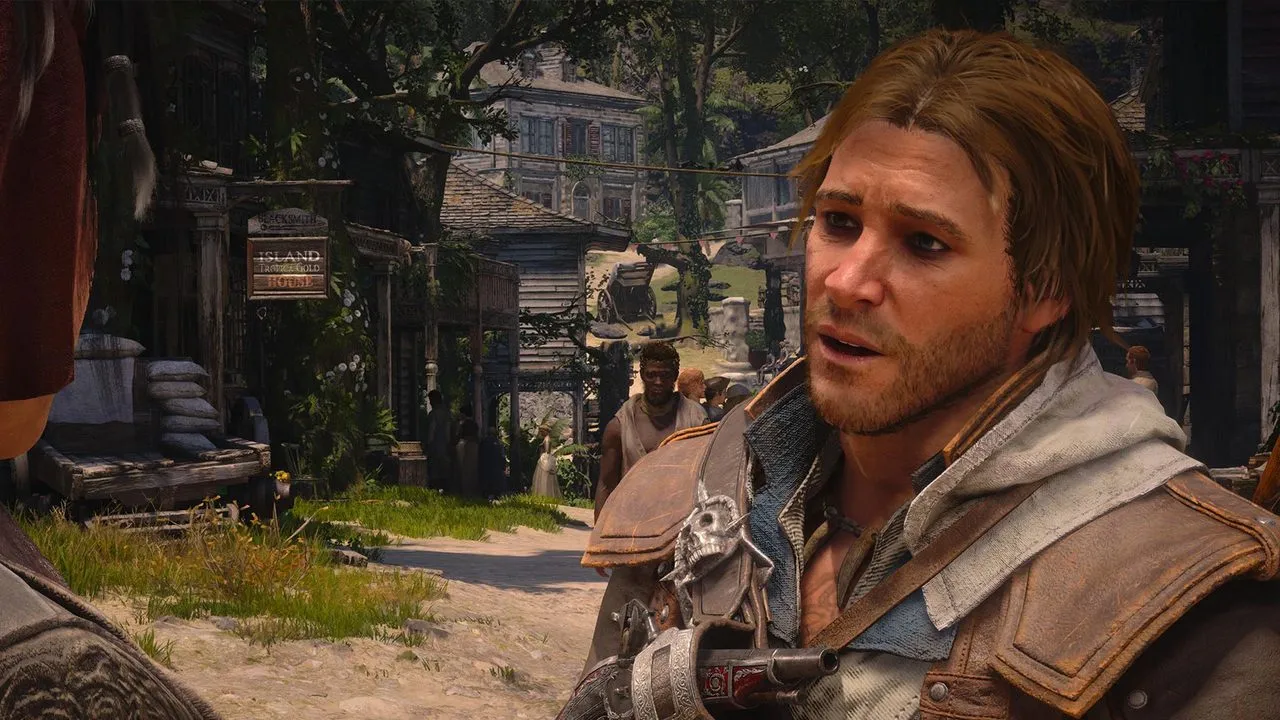
Assassin’s Creed Black Flag didn’t earn its legendary reputation overnight. While players immediately loved the open seas, naval combat, and pirate atmosphere, Edward Kenway himself took longer to win over the fanbase. That slow shift in opinion is a big part of why the game feels so enduring today: once players accepted Edward as a flawed anti-hero rather than a traditional Assassin lead, Black Flag stopped being seen as the odd pirate entry and started being remembered as one of the series’ true greats.
It’s easy to forget now, but when Black Flag first launched in 2013, not every longtime Assassin’s Creed fan was fully on board with its direction. The game leaned hard into pirate fantasy, treasure hunting, sea shanties, and ship battles. For many players, that was exactly what made it special. For others, it raised a question that followed the game around in its early days: was this really an Assassin’s Creed game, or just a pirate adventure wearing the franchise’s hood?
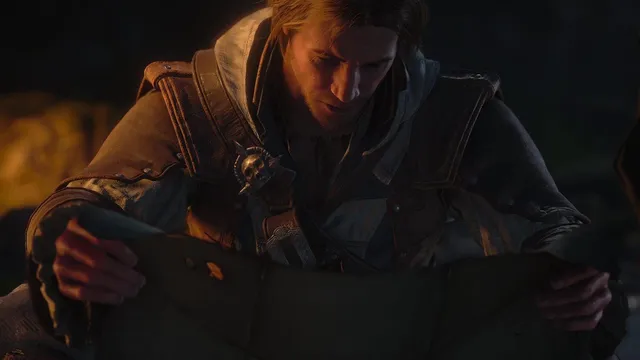
That debate centered heavily on Edward Kenway. Unlike some previous protagonists in the series, Edward wasn’t introduced as a dedicated member of the Brotherhood with a clear sense of purpose. He was selfish, ambitious, reckless, and often more interested in wealth than ideology. In another game, those traits might have made him difficult to root for. In Black Flag, though, they became the foundation for one of the franchise’s most memorable character arcs.
That’s likely why the game’s reputation improved so much over time. Once fans spent more time with Edward’s journey, they began to appreciate what made him different. He wasn’t supposed to feel like a polished Assassin from the start. His story was about becoming someone greater, shaped by loss, consequence, and hard-earned perspective. That evolution gave Black Flag emotional weight beyond its swashbuckling surface.
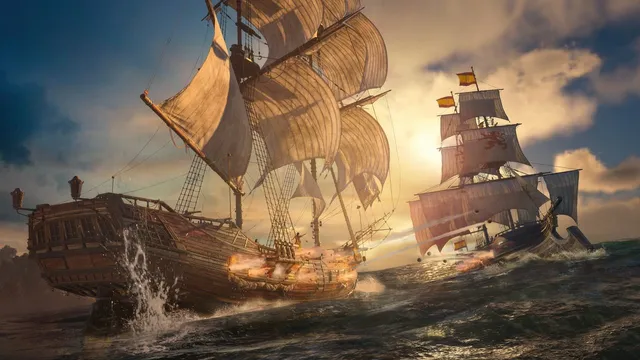
And what a surface it had. Even today, Black Flag remains one of Ubisoft’s most distinct open-world games. The Caribbean setting felt alive in a way few maps did at the time. Sailing between islands, diving into hidden coves, boarding enemy ships, and hearing your crew break into song made exploration feel exciting instead of routine. The world had personality, and it sold the fantasy completely.
Of course, the supporting cast helped too. Blackbeard in particular left a huge impression, bringing charisma and danger to every scene. Black Flag understood that pirate stories thrive on larger-than-life figures, uneasy alliances, and the looming sense that freedom always comes with a cost. It balanced that adventurous tone with quieter, more reflective moments, which made the story hit harder than some expected.
That balance is a big reason the game aged so well. Plenty of open-world titles offer scale, but fewer manage to create a fantasy that feels this cohesive. Black Flag knew exactly what experience it wanted players to have. It wanted you to feel the thrill of chasing fortune across the sea, while also confronting the emptiness that can come from living only for yourself. Edward’s arc tied those ideas together beautifully.
Now, with renewed attention on the game thanks to its remake, it’s natural that fans are looking back at the original with fresh eyes. Nostalgia is part of it, sure, but Black Flag’s reputation isn’t built on nostalgia alone. The game genuinely carved out a unique place in the Assassin’s Creed lineup. It stood apart from the city-focused formula that defined earlier entries, and in doing so, it expanded what the series could be.
That also explains why any modern revisit has such a tough job. Players don’t just remember Black Flag as a fun game; they remember it as a turning point. It delivered a powerful setting, strong atmosphere, and a lead character who matured into someone unforgettable. Matching that legacy means doing more than updating visuals or smoothing out mechanics. It means preserving the heart of what made the original click.
And that heart was never just the pirate ships or tropical islands. It was Edward Kenway. His rough edges, selfish decisions, and gradual growth gave Black Flag a human core that made the adventure resonate long after the credits rolled. Fans may have questioned him early on, but that skepticism ultimately became part of the story around the game itself. The audience had to come around to Edward in much the same way the world around him did.
Looking back, that makes Black Flag’s rise to classic status feel even more fitting. Some games are instant hits and stay there. Others need time for players to understand what they were trying to do. Black Flag belongs firmly in the second category, and that’s part of what makes its legacy so interesting.
In the end, Black Flag became a classic not because it played things safe, but because it didn’t. It gave Assassin’s Creed fans a hero who didn’t immediately fit the mold, dropped them into a world driven by pirate fantasy, and trusted that the emotional payoff would land. Years later, that gamble looks like one of Ubisoft’s smartest swings. Edward Kenway may not have felt like the Assassin fans expected at first, but he became exactly the kind of protagonist they remembered.