Xbox Series S Price Jumps to $499.99 as Microsoft Raises Console Costs
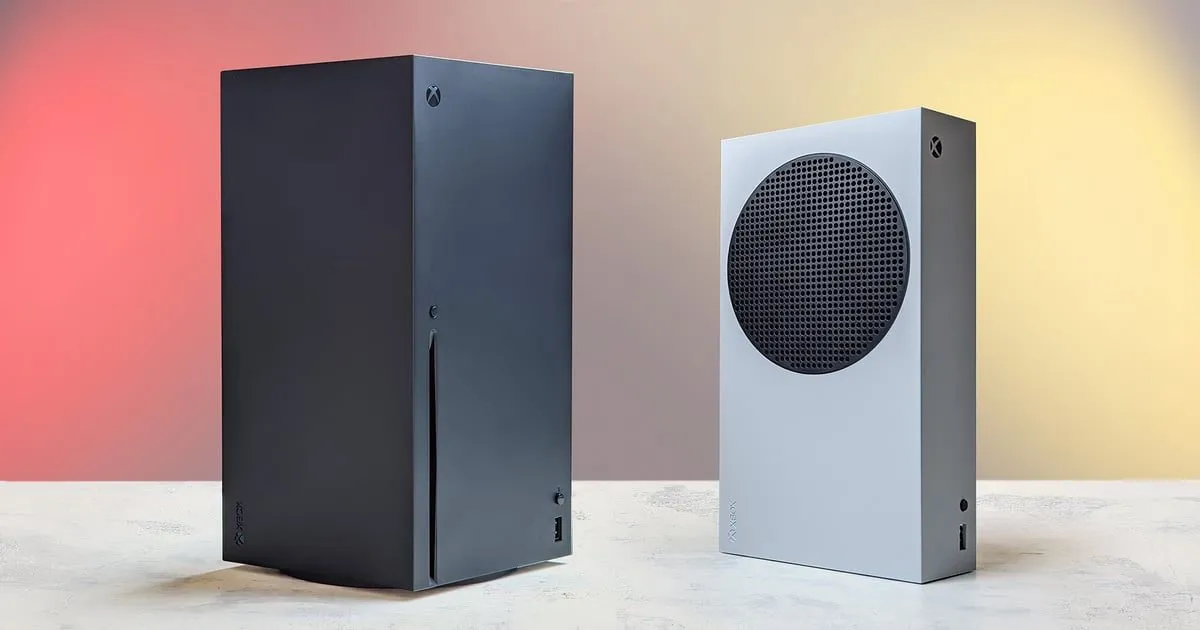
Microsoft is raising Xbox console prices again, and this latest jump is a big one: the Xbox Series S 512GB model is set to climb to $499.99, turning what was once the budget-friendly Xbox into a far more expensive entry point. The increase reflects growing pressure across the hardware market, with Microsoft pointing to a major memory and storage component shortage as the main reason behind the change. For players, that means the cost of jumping into the Xbox ecosystem is about to look very different.
If you’ve been thinking, "Wait, wasn’t the Series S supposed to be the affordable one?" you’re definitely not alone. For years, the Xbox Series S stood out as the lower-cost option in the current console generation. It was the machine for players who wanted quick access to Game Pass, current-gen performance, and a smaller box that didn’t hit the wallet quite as hard. Seeing that console rise to $499.99 is the kind of headline that makes people do a double take.
According to Microsoft, the new pricing will begin on August 1, 2026. The 512GB Xbox Series S is getting a $100 increase, while the 1TB versions of both the Series S and Series X will rise by $150. On top of that, the 2TB Xbox Series X is being discontinued. Taken together, this is more than just a small adjustment. It’s a broad shake-up of the Xbox hardware lineup.
The biggest talking point here is simple: the cheapest Xbox will now cost nearly five hundred dollars. That’s a dramatic change in how the Xbox brand is positioned. The Series S was often marketed as the easiest way to get into the current generation without spending premium-console money. At $499.99, that pitch becomes much harder to sell, especially to families, casual players, and anyone who saw the Series S as the value pick.
Microsoft’s explanation is also more direct than the usual corporate language gamers are used to hearing. Instead of leaning only on broad terms like "market conditions," the company has reportedly tied the increase to a global memory hardware shortage. More specifically, it says supply issues around DRAM and storage components have become severe, with AI-driven demand putting pressure on the entire consumer electronics pipeline.
That’s a pretty huge industry story on its own. Over the past few years, players have gotten used to hearing about shortages involving semiconductors, shipping delays, and manufacturing bottlenecks. Now, memory and storage are becoming the next major pressure point. And because modern consoles rely heavily on fast memory and SSD-based storage, those rising component costs can hit hard.
What makes this sting more is the long-running reality of the console business: companies often don’t make much profit on hardware itself. Sometimes they sell consoles at a loss and make money later through software sales, subscriptions, accessories, and digital storefront purchases. If Microsoft’s manufacturing costs are climbing sharply, it makes sense that the company would eventually pass some of that burden on to consumers. That doesn’t make the news any easier to swallow, but it does explain why these jumps are so aggressive.
For gamers, the immediate question is obvious: is the Xbox Series S still worth it at this price? That answer depends a lot on what kind of player you are. If your main goal is access to Game Pass and Xbox’s digital ecosystem, the Series S still offers convenience and a compact design. But value matters, and once a budget console starts creeping toward premium pricing, people naturally start comparing every alternative on the shelf.
That means this move could have a real effect on buying behavior. Players may hold onto older hardware longer, shop for used consoles, wait for bundles, or shift their attention to PC handhelds and other platforms. Some may simply decide that if they’re already spending this much, they might as well aim for a higher-end model elsewhere. In other words, Microsoft risks weakening one of the clearest selling points the Series S ever had.
There’s also a bigger strategic question hanging over all this. If hardware costs keep rising and supply remains unstable, what does the future of consoles even look like? Microsoft has reportedly already warned investors that the ongoing shortage could affect plans for its next-generation system, currently referred to as Project Helix. If that turns out to be true, then this price increase may be less of a one-time bump and more of a warning sign for where the industry is heading.
That’s especially important because Xbox has increasingly emphasized its broader ecosystem rather than just the box under your TV. Game Pass, cloud gaming, PC integration, and cross-platform access have all become central to Microsoft’s gaming strategy. If consoles become harder to price competitively, that ecosystem-first approach starts to look even more logical. The hardware may still matter, but it may no longer be the primary battleground.
Of course, there’s an awkward twist to all of this. Microsoft is not just reacting to AI-driven market changes; it’s also one of the biggest companies helping drive AI investment in the first place. That makes the situation feel a little circular. The same tech boom contributing to component pressure is one in which Microsoft is deeply involved. For some players, that contradiction will be hard to ignore.
In the end, this news lands as a major moment for Xbox. The Series S was supposed to be the affordable path into the current generation, and now it’s stepping into a completely different price bracket. Whether gamers accept that shift or push back with their wallets remains to be seen. But one thing is clear: the era of the "cheap" current-gen console is looking shakier than ever, and Xbox players may be the ones feeling that reality first.