Witcher Sales Jump 36% as CD Projekt Q1 Revenue Rises 6%
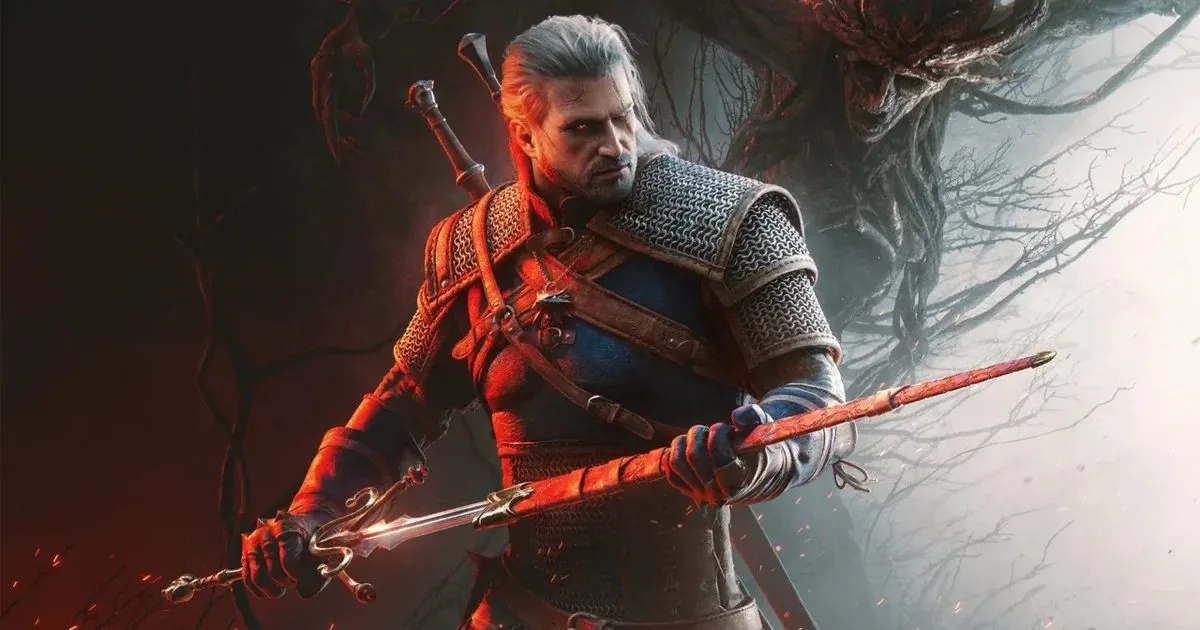
CD Projekt has kicked off the quarter with a strong boost from The Witcher franchise, as Witcher-related sales revenue climbed 36% while the company’s overall revenue rose 6%. With The Witcher 3 continuing to sell at an impressive pace, Cyberpunk 2077 still contributing heavily, and multiple projects moving forward in parallel, the studio looks determined to keep both of its biggest RPG worlds growing for years to come.
For fans of CD Projekt, this latest business update paints a pretty interesting picture. The headline number is definitely the huge jump for the Witcher IP. A 36% rise is the kind of stat that immediately grabs attention, especially for a franchise that many players already associate with long-term staying power rather than sudden spikes. It shows that The Witcher remains a massive force in gaming, even years after The Witcher 3 first launched.
At the same time, CD Projekt’s total quarterly revenue rose by 6%, reaching PLN 191 million. That may sound like a modest increase compared to the Witcher franchise’s bigger leap, but it still points to a company that is maintaining momentum in a competitive market. Not every quarter needs explosive overall growth to be considered a win, especially when a studio is investing heavily in future development.
One of the biggest takeaways here is just how durable The Witcher 3 has become. The game has now passed 65 million cumulative sales, which is an incredible milestone for any RPG. Few games ever reach that kind of number, and even fewer maintain relevance for as long as The Witcher 3 has. It has become one of those rare titles that keeps finding new players while also pulling veterans back in for another run through Velen, Novigrad, and Skellige.
That continued success is likely getting another push from the announcement of a new expansion, Songs of the Past. The project is reportedly in advanced development and is expected to launch in 2027. While that is still a long way off, just knowing that more Witcher content is on the horizon can energize the community and renew interest in the existing game. For a franchise with this kind of legacy, even early announcements can have a major effect.
Cyberpunk, meanwhile, remains the bigger revenue driver overall, even though its franchise revenue slipped 4% to PLN 140.1 million. That decline is not necessarily a sign of trouble. Cyberpunk 2077 has already had its huge comeback story, and it still represents the bulk of CD Projekt’s franchise income. A slight drop after such a dramatic turnaround is not unusual, especially when the company is balancing mature releases with future plans.
A smart move that seems to be helping both series is the expansion into more distribution channels. CD Projekt made the base edition of Cyberpunk 2077 and The Witcher 3 Complete Edition available through Xbox Game Pass Premium and Ultimate. According to company leadership, that decision created a solid revenue stream. For players, it is another reminder that accessibility matters. Getting games in front of more people across different services and platforms can breathe new life into titles that are already years old.
That strategy also fits with what CD Projekt leadership said about broadening the availability of its games. Updates for newer hardware and presence across multiple storefronts and subscription options help keep these games visible. In the current gaming landscape, visibility is almost as important as quality. Even beloved games can fade from the spotlight if they are not easy to access. CD Projekt seems fully aware of that.
On the profit side, the company reported net profit of PLN 106 million, down from PLN 111.7 million in the previous quarter. That dip may raise some eyebrows, but it comes alongside increased investment in development projects. In other words, the studio is spending more as it gears up for future releases. That is often the tradeoff when a company shifts from harvesting the success of existing games to building the next wave.
And CD Projekt is clearly in build mode right now. The company says it is working in parallel on several productions, including collaborations with external teams. That is a notable change from its older production model, where one major game took center stage while the next project remained more conceptual until late in the cycle. Now the studio appears to be aiming for shorter gaps between releases, which could be a huge deal for fans who are used to very long waits.
The company also highlighted that game production typically ranges from three to six years. That is not exactly shocking in modern AAA development, but it does help explain why CD Projekt is trying to overlap projects more aggressively. If the studio can manage multiple games and supporting products at once without losing quality, it could create a steadier rhythm for both the Witcher and Cyberpunk franchises.
Maybe the most reassuring part of the update is CD Projekt’s financial position. The company ended March with PLN 1.4 billion in cash reserves, which gives it a strong cushion while it continues to invest. For players, that means the studio has room to keep pushing big projects forward without looking like it is under immediate pressure.
Overall, this quarter feels like a reminder of CD Projekt’s biggest strength: its franchises have serious staying power. The Witcher is surging, Cyberpunk is still delivering, and the company is actively setting itself up for a future where both worlds can coexist more smoothly. If CD Projekt can turn that strategy into a more consistent release schedule without sacrificing what makes its RPGs special, fans could be in for a very exciting next few years.