VR Fitness Changed My Life: 6 Months With Meta Quest 3
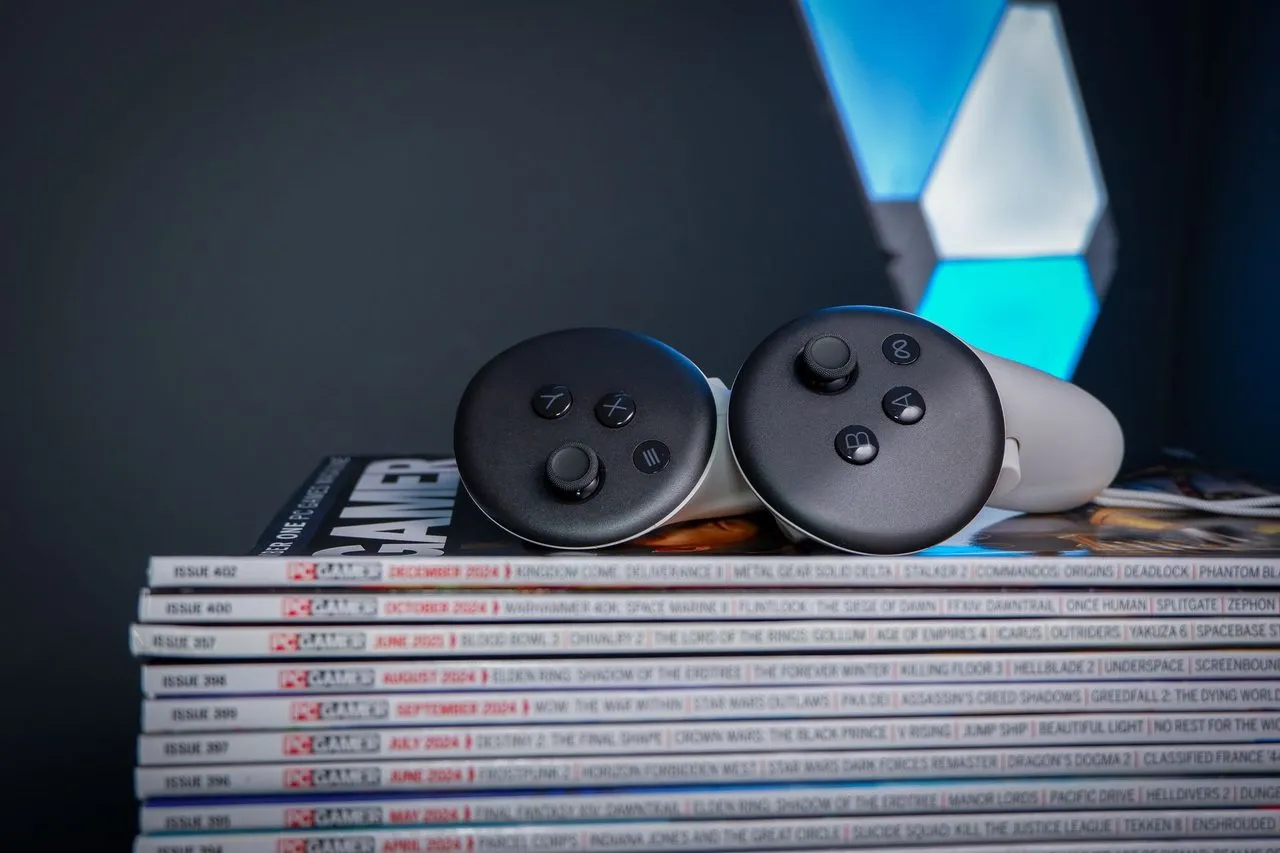
Six months with the Meta Quest 3 completely changed how I think about exercise, gaming hardware, and daily routines. What started as a simple attempt to get more value out of a VR headset turned into a sustainable fitness habit that made working out feel less like a chore and more like play. The biggest surprise was not just the physical impact, but how VR made consistency easier by removing many of the usual barriers that make exercise hard to stick with.
There’s a strange moment every gamer knows: the realization that a piece of hardware you were excited about has slowly become something you only use occasionally. That was the danger zone for VR in my life. I’ve always liked virtual reality, and I’ve had that burst of excitement that comes with putting on a headset and feeling transported somewhere else. But over time, that novelty can fade if you’re waiting for the next must-play release to justify using it every day.
That’s where the Meta Quest 3 ended up surprising me.
Instead of becoming the machine I used for the occasional big VR adventure, it turned into the center of a new fitness routine. And honestly, that shift happened because VR solved one of the biggest problems with exercise: getting started.
Traditional workouts come with friction. You have to plan them. You have to go somewhere, clear space, change clothes, psych yourself up, and commit to a block of time that can feel bigger than it really is. VR cuts through a lot of that. If I have ten or fifteen spare minutes, I can just put the headset on and move. That convenience has been the biggest difference maker by far.
What surprised me most is how naturally VR encourages intensity. In a normal workout, it’s easy to negotiate with yourself. Maybe you stop a little early. Maybe you coast through a set. Maybe you tell yourself that a light effort is enough for today. In VR, that line blurs. Because you’re reacting, swinging, ducking, punching, stepping, and chasing goals in an immersive space, you often push harder without mentally framing it as suffering.
That’s a huge advantage.
When you’re locked into the action, you stop watching the clock. You stop thinking about how annoying the workout feels. You’re just doing the thing. Then suddenly the session ends and you realize you’re sweaty, breathing hard, and way more worked than you expected. For anyone who struggles with motivation, that’s a game-changer.
Of course, VR fitness isn’t perfect. The upfront cost is high. Buying a Meta Quest 3 is not the same as downloading a cheap mobile app and calling it a day. On top of that, many of the best fitness experiences come with subscriptions, which means the headset can turn into an ongoing expense. It may still be cheaper than some gym memberships, but it’s definitely not free.
And then there’s the least glamorous downside of all: headset sweat.
Nobody looks cool peeling off a sweaty faceplate after a hard session. It’s messy, a little uncomfortable, and definitely one of those practical realities that never makes it into the shiny sales pitch. Cleaning the headset, airing it out, and maybe rotating face covers becomes part of the routine. It’s not a dealbreaker, but it is absolutely part of the VR fitness lifestyle.
Still, the tradeoff has been worth it for me because of the consistency it created.
The most important part of any fitness journey usually isn’t the perfect routine or the best gear. It’s having something you can actually stick with. That’s where VR really won me over. I gave myself a simple standard: make movement a regular part of my day, even if the session was short. Some days that meant a proper hard workout. Other days it meant squeezing in a quick burst just to stay on track. The point was to make the headset part of my life instead of a novelty I only remembered on weekends.
That mindset matters more than any single app or session plan.
Over time, the routine started to build momentum. Once you begin exercising regularly, you become more aware of the other choices around it. You don’t want to put in the effort and then completely sabotage it elsewhere. That often leads to better habits outside VR too. Eating a bit better. Tracking progress more honestly. Paying attention to energy levels. Being more aware of how your body feels. The headset becomes a trigger for broader change.
That’s part of why VR fitness feels bigger than just a fun gimmick. It doesn’t only burn calories. It can reshape your relationship with exercise by making it easier to show up, and once you show up consistently, other improvements tend to follow.
Another thing I love is how customizable the whole experience feels. Some days, I want a focused, demanding workout. Other days, I just want to move while keeping my brain entertained. VR is great at both. You can lean into the game-like side of it, or you can use features like passthrough to stay connected to your room while exercising. That flexibility makes it feel less rigid than many traditional workout formats.
And maybe that’s the real secret here: it’s fun.
That sounds obvious, but it matters more than people admit. A lot of fitness plans fail because they rely too much on discipline and not enough on enjoyment. If your workout feels boring, repetitive, or emotionally draining, sticking with it becomes a battle of willpower. VR changes that equation. It turns movement into something playful, immersive, and rewarding. It lets you feel like a giant nerd while also doing something genuinely good for yourself, and honestly, that combination rules.
Six months in, the biggest victory isn’t just physical progress. It’s that exercise no longer feels like this separate, miserable obligation hanging over the day. It feels accessible. It feels manageable. It feels like something I can keep doing.
That’s what makes the Meta Quest 3 such a powerful fitness tool. Not because it replaces every other form of exercise, and not because VR is some flawless miracle solution, but because it lowers the barrier between wanting to improve and actually taking action.
If you’ve got a headset gathering dust, VR fitness might be the best reason to pick it back up. And if you’re someone who has always struggled to stay consistent with exercise, this style of training might click in a way that traditional routines never did. For me, it turned a gaming device into one of the most useful health tools I’ve ever owned.
And after six months, that still feels kind of wild.